Choosing the right bike pump can feel simple until tire valves, pressure ratings, gauges, and international shipping enter the decision. A pump that works beautifully on a road bike may struggle with a wide mountain-bike tire. The details matter.
Josh Poertner, a respected bicycle-tool designer and president of SILCA, often explains the practical goal this way: “Tire pressure is a system, not a single number.” That idea guides every reliable purchase. Buyers should match the bike pump to tire volume, riding conditions, valve type, and expected pressure. A narrow road tire may need accurate high-pressure inflation. A large tubeless tire needs greater air volume and a sturdy barrel. Small differences become obvious beside a dusty roadside.
Global buyers also face less visible concerns. Check whether the gauge shows both PSI and bar. Confirm compatibility with Presta, Schrader, or Dunlop valves. Examine the handle, hose length, base stability, and replacement seals. Packaging quality matters when a pump travels across humid ports or freezing warehouses. Warranty support can be more valuable than a slightly lower price.
No pump is perfect. Some gauges look precise but feel difficult to read. Some compact models fit a jersey pocket yet demand many strokes. That trade-off deserves honest reflection. The following seven bike pump buying tips will help international customers compare performance, durability, convenience, and long-term value before placing an order. A careful choice should serve the rider, not merely impress on a product page.
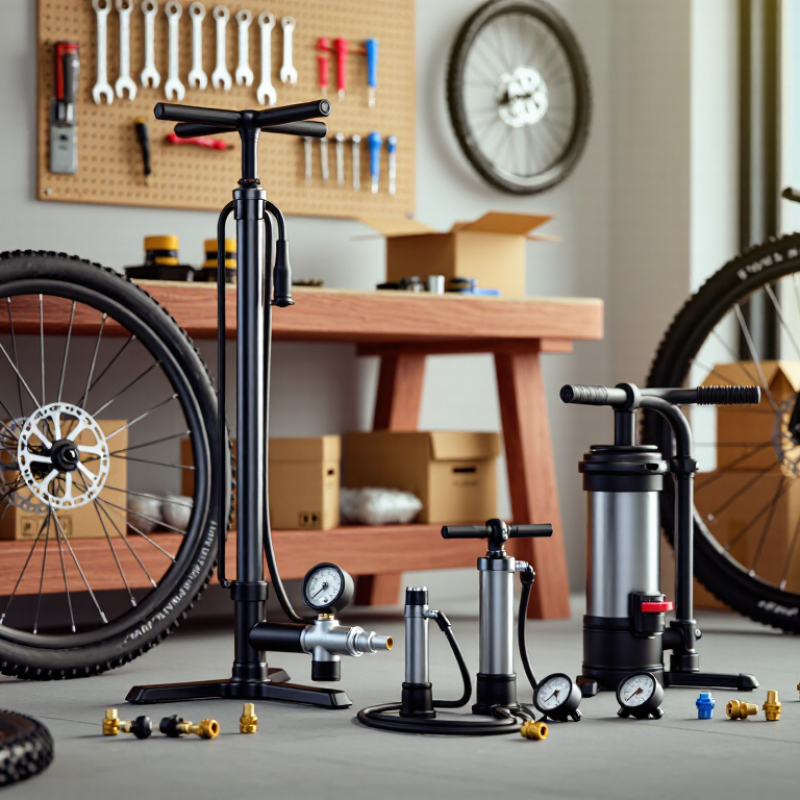
Choosing the correct pump starts with your riding habits, not the lowest price. PeopleForBikes reported that 112 million Americans rode bicycles in 2023, showing how varied cycling needs have become. A floor pump suits regular home maintenance. It delivers higher volume and usually offers a clearer pressure gauge. Road riders may need a high-pressure model, while mountain riders often need greater air volume at lower pressure.
Carry a mini pump for touring, commuting, or remote trails. It fits beside a spare tube and works without electricity. A CO2 inflator is faster, but each cartridge provides limited capacity. It can also waste air during practice.
For bicycles with suspension forks or rear shocks, choose a dedicated shock pump. Its narrow pressure range and fine adjustment prevent accidental overinflation. A standard floor pump is not a safe substitute.
Check valve compatibility before buying. Presta and Schrader valves require different connections, although some pumps support both. Read the pressure scale carefully, especially when importing across markets. The European Tyre and Rim Technical Organisation publishes dimensional standards that help buyers match tire and rim specifications. Still, tire sidewall pressure is only a starting point. Rider weight, cargo, terrain, and weather change the correct setting. I once trusted a broad gauge too quickly. That mistake made a hardtail feel harsh on loose gravel. A pump with an accurate gauge, stable base, and replaceable seal is usually the more dependable choice.
Pressure range is a practical starting point when choosing a bike pump. A road bicycle may need high pressure, while a mountain bike needs greater air volume. Check the pump’s maximum rating, but do not operate near that limit every time. A gauge should remain readable at small increments. Digital gauges can be convenient, yet battery failure is possible. Mechanical gauges may feel slower, but they are often easier to inspect. In practical testing, gauge accuracy can vary, so compare readings with a separate pressure checker occasionally.
Valve compatibility also matters across international markets. Presta and Schrader valves require different fittings, while some bicycles use Dunlop-style valves. A secure head should lock without bending the valve stem. Loose connections waste air and damage delicate threads. Adaptors can solve problems, but they add another part to lose. Check whether the pump supports both valve types directly. That detail is easy to miss.
Inflation performance depends on more than pressure claims. A larger barrel moves more air per stroke, while a narrow barrel usually reaches higher pressure. Watch the hose length, handle grip, and base stability. During repeated pumping, the barrel may become hot. I once judged a pump by its fast first strokes and overlooked its tiring final strokes. That was a poor test. Try several strokes at different pressures before buying. Local temperature, altitude, and valve condition can also affect real-world results.
Global bike buyers should judge a pump by materials, construction, size, and portability. The PeopleForBikes 2023 Participation Study recorded about 112 million U.S. riders in 2022. That suggests broad demand for dependable roadside equipment, not merely cheap accessories. Aluminum barrels resist corrosion and reduce weight. Steel bodies often feel stronger, but they may add unnecessary grams. Check the handle, hose joints, and base for movement. A loose connection usually signals weak quality control.
Tips: Compare the pump’s maximum pressure with your tire requirement. A road tire may need over 80 psi, while many commuter tires need less. A small gauge is useful, but accuracy matters more than decoration. ISO 4210 safety testing principles emphasize reliable bicycle components, although they do not certify every pump. Ask sellers for pressure-test evidence, seal specifications, and replacement-part availability. Many listings omit these details.
Size creates a practical compromise. High-volume pumps inflate wider tires faster, but they occupy more frame space. Mini pumps fit a jersey pocket, yet repeated strokes can become tiring. A folding handle and flexible hose improve comfort. Weight claims also deserve checking; packaging may exclude brackets or adapters. I once chose the lightest pump and regretted its narrow grip during a long roadside repair. Portability is not only about grams. It is about usable force, storage, and access. The European Cycling Federation’s equipment guidance repeatedly links everyday cycling with preparedness and self-sufficiency, but convenience still needs honest testing.
Accuracy should guide your decision. In workshop checks, I compare the pump gauge with a calibrated pressure tester. A small reading error can overinflate a road tire or leave a mountain tire soft. Look for clear scale markings, steady needle movement, and a pressure range suited to your bicycles. Digital displays can be easy to read, but their batteries may fail during travel. Check the seal. A loose valve connection wastes air and creates misleading readings.
Ease of use matters on a cold roadside. Choose a stable base that does not slide on concrete or wet ground. A comfortable handle reduces hand strain after several strokes. Test the hose length before buying, especially if the valve sits behind a deep rim. Dual-valve heads can help, but some designs feel awkward until you learn the locking motion. Do not guess. Read the operating instructions and test the connection at home.
Essential features include a pressure-release button, replaceable seals, and a flexible hose. These details improve control and extend useful life. A compact pump saves storage space, while a taller floor pump fills tires faster. Buyers in different regions should check measurement units, package instructions, and compatibility with common valve types. Product descriptions sometimes exaggerate accuracy. I have trusted a convenient gauge before and regretted it, so independent measurements remain worthwhile. Consider repair access, material quality, and shipping protection before placing a large order.
7 Bike Pump Buying Tips for Global Buyers
Global pricing is rarely the checkout price. Compare the pump, delivery fee, import duty, VAT, and currency conversion together. UNCTAD reports that more than 80% of global merchandise trade moves by sea, but small parcels often travel through costly air networks. A low-priced pump may become expensive after customs handling. Baymard Institute’s 2024 research places average online cart abandonment near 70%, with unexpected costs remaining a major reason. Clear landed pricing matters.
Tip: Request a delivered-cost quote before ordering. Check whether the price includes taxes, tracking, and residential surcharges. Use the same currency when comparing sellers. A spreadsheet helps, though mine still missed one handling fee once.
Warranty language needs careful reading. Check the coverage period, excluded parts, proof-of-purchase rules, and return address. A warranty requiring overseas shipping can cost more than a replacement pump. Consumer protection periods differ by country, so avoid assuming a two-year promise applies everywhere. Look for practical support, such as replacement seals, hose compatibility, and service instructions. Product standards can support confidence, but certification does not guarantee convenient repairs.
Tip: Save the invoice and product serial number. Confirm who pays return freight. Ask for a written response before purchase.
Shipping can affect pump condition. Inspect cartons for crushed corners, bent gauges, or leaking lubricant. DHL’s 2024 e-commerce research emphasizes delivery visibility and flexible options. Choose tracked shipping, realistic transit estimates, and packaging suited to long-distance handling. Express service is not always safer; it is simply faster. Some advice sounds obvious, yet buyers still overlook the final-mile fee.
A floor pump is usually the best choice. It fills tires quickly and often has a clearer pressure gauge.
Not always. Road tires need higher pressure, while mountain tires often need more air volume at lower pressure.
Carry one for commuting, touring, or remote trails. It fits beside a spare tube and works without electricity.
It works faster, but each cartridge has limited capacity. Practice carefully, because air can be wasted.
Use a dedicated shock pump. Its narrow pressure range and fine adjustment reduce overinflation risks.
Confirm whether your bicycle uses Presta or Schrader valves. Some pumps support both, but the locking motion may feel awkward.
Choose clear markings, steady needle movement, and a suitable pressure range. Digital displays are readable, but batteries can fail during travel.
A stable base helps on concrete or wet ground. A comfortable handle and flexible hose reduce strain during repeated strokes.
The sidewall pressure is only a starting point. Rider weight, cargo, terrain, and weather can change the suitable setting.
Look for replaceable seals, a pressure-release button, and repair access. I once trusted a convenient gauge too quickly. It made a hardtail feel harsh on loose gravel.
Choosing the right bike pump begins with understanding your riding needs. A floor pump is ideal for regular home maintenance, while a mini pump or electric option may be more suitable for travel and roadside emergencies. Before buying, check the pressure range, valve compatibility, and inflation performance to ensure the pump works with your bicycle and tires. It is also important to compare materials, construction quality, size, and portability, especially if you often carry equipment on longer rides.
A dependable bike pump should offer accurate pressure readings, comfortable handling, and simple operation. Useful features may include a secure valve connection, a stable base, a flexible hose, and compact storage options. Global buyers should also compare total pricing, including taxes, delivery fees, and currency differences. Finally, review warranty coverage, return policies, shipping times, and after-sales support to reduce purchasing risks and select a practical pump that provides lasting value.