Blog
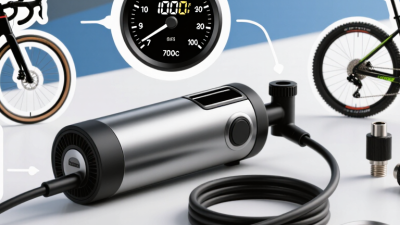
2026 Best Rechargeable Bicycle Air Pump for Global Buyers
Choosing the best rechargeable bicycle air pump in 2026 requires more than comparing battery capacity or marketing claims. Global buyers need dependable inflation, accurate pressure control, and charging compatibility across different travel conditions. A pump may look impressive online, yet fail beside a wet roadside when a tire loses pressure.
Cycling technology reviewer Ray Maker offers a useful perspective: “A compact pump is only useful when its battery and pressure reading remain dependable outdoors.” This idea guides our comparison. We examine real-world details, including valve compatibility, maximum pressure, inflation speed, noise, weight, and heat during repeated use. These features matter when a road cyclist carries a 700c tire setup, or when a mountain biker repairs a tubeless tire far from a workshop.
Battery performance deserves careful attention. A small lithium battery may inflate one tire well, but struggle with two low-pressure tires. USB-C charging is convenient, although included cables and charging speeds can vary. Some displays are bright and readable. Others become difficult to see in sunlight.
No pump is perfect.
Our evaluation also considers practical weaknesses. A pressure reading can be slightly inaccurate. A metal connector can become hot. A claimed pressure limit may not reflect normal field performance. These limitations deserve honest discussion.
This guide to the 2026 best rechargeable bicycle air pump options helps riders compare products with clearer expectations. It focuses on measurable performance, everyday handling, and reliability across commuting, touring, gravel, road cycling, and mountain biking.
Read more »
 By:Elowen
- October 26, 2026
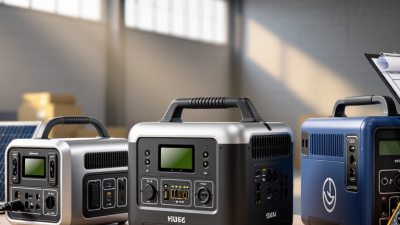
China Top Portable Electric Suppliers for Global Buyers
China’s portable electric industry is moving from niche camping equipment into emergency backup, outdoor work, and household resilience. Grand View Research estimates that the global portable power station market reached approximately USD 545 million in 2023, with strong growth expected through 2030. The International Energy Agency also reports continuing investment in battery storage, although its data covers broader energy systems. The category is not perfectly defined. That matters when comparing suppliers.
China remains a major manufacturing base for lithium-ion cells, inverters, solar panels, and compact power systems. Companies such as EcoFlow, Bluetti, Jackery, Anker SOLIX, and Zendure compete through higher capacities, faster charging, quieter fans, and app-based monitoring. Battery expert Professor Shirley Meng has emphasized, “There is no silver bullet in battery technology.” Her point applies directly here. Buyers should examine the full system, not only the advertised watt-hours.
A reliable supplier should provide clear capacity testing, cycle-life data, thermal protection details, and traceable quality procedures. Independent certifications and regional compliance documents also deserve careful review. A 2,000-watt-hour unit may power a refrigerator, lights, and communications equipment, but runtime changes with temperature, load, and inverter efficiency. Real use is messier than a product page.
This guide evaluates China’s leading portable electric suppliers for global buyers. It considers manufacturing experience, product consistency, after-sales support, documentation, and customization capability. Some supplier claims still need deeper verification. That is a weakness worth acknowledging, not hiding. Practical purchasing decisions require samples, factory audits, and tested performance before large orders.
Read more »
 By:Amelia Bennett
- October 26, 2026
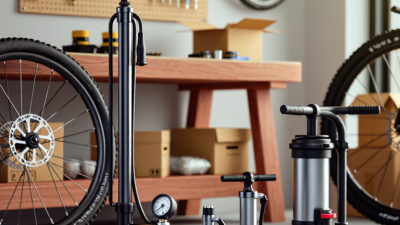
7 Bike Pump Buying Tips for Global Buyers?
Choosing the right bike pump can feel simple until tire valves, pressure ratings, gauges, and international shipping enter the decision. A pump that works beautifully on a road bike may struggle with a wide mountain-bike tire. The details matter.
Josh Poertner, a respected bicycle-tool designer and president of SILCA, often explains the practical goal this way: “Tire pressure is a system, not a single number.” That idea guides every reliable purchase. Buyers should match the bike pump to tire volume, riding conditions, valve type, and expected pressure. A narrow road tire may need accurate high-pressure inflation. A large tubeless tire needs greater air volume and a sturdy barrel. Small differences become obvious beside a dusty roadside.
Global buyers also face less visible concerns. Check whether the gauge shows both PSI and bar. Confirm compatibility with Presta, Schrader, or Dunlop valves. Examine the handle, hose length, base stability, and replacement seals. Packaging quality matters when a pump travels across humid ports or freezing warehouses. Warranty support can be more valuable than a slightly lower price.
No pump is perfect. Some gauges look precise but feel difficult to read. Some compact models fit a jersey pocket yet demand many strokes. That trade-off deserves honest reflection. The following seven bike pump buying tips will help international customers compare performance, durability, convenience, and long-term value before placing an order. A careful choice should serve the rider, not merely impress on a product page.
Read more »
 By:Ethan Caldwell
- October 26, 2026
