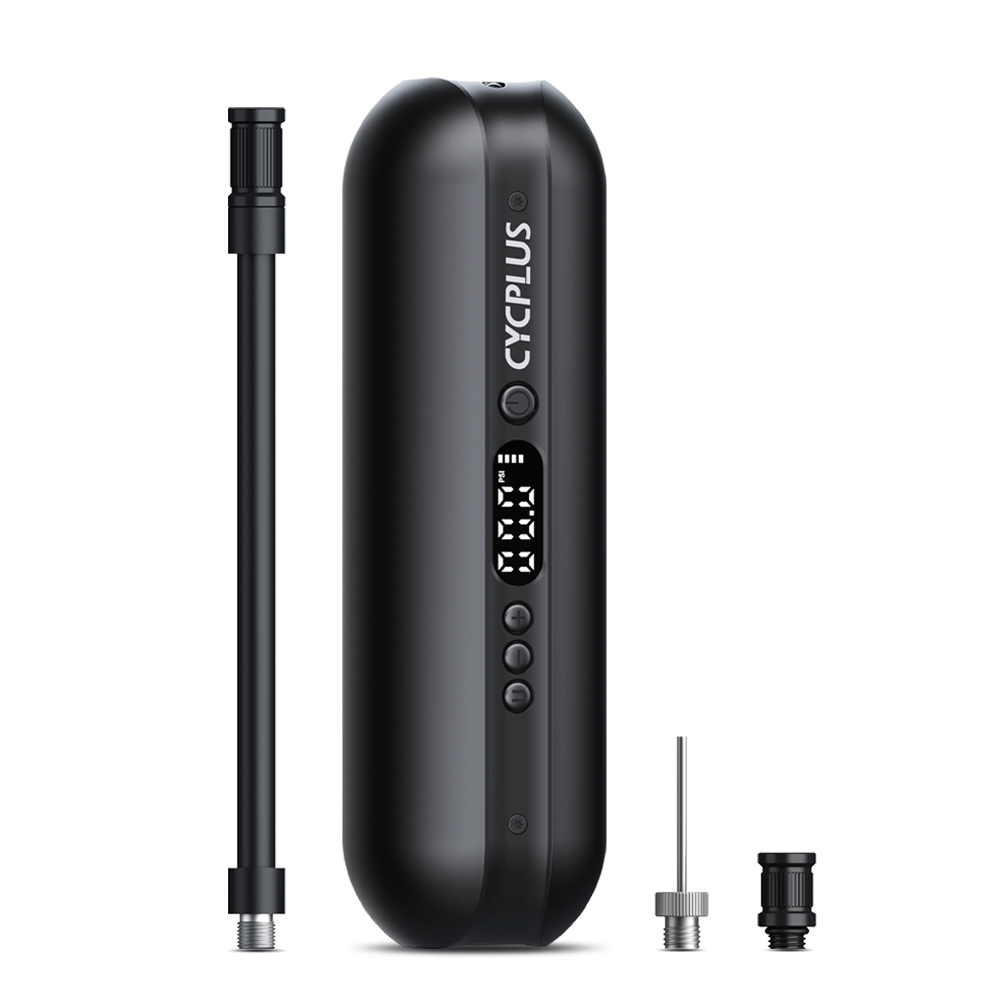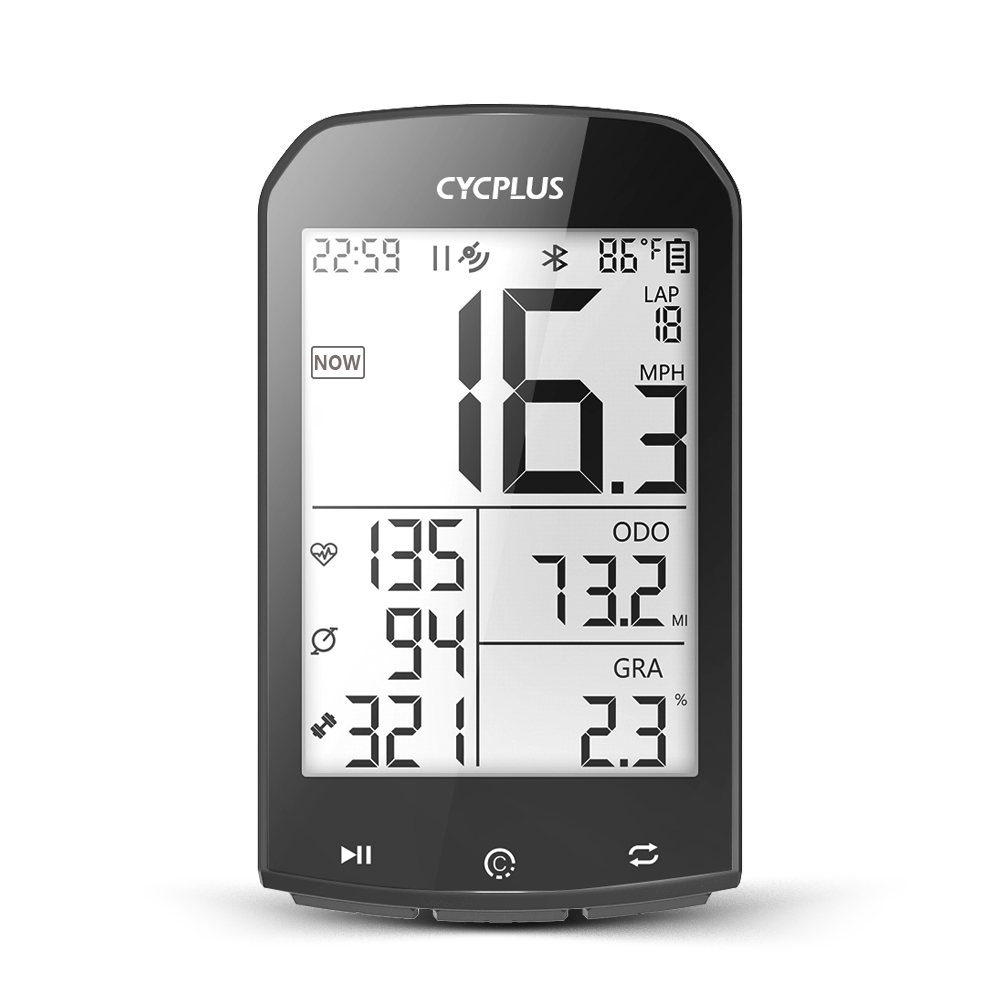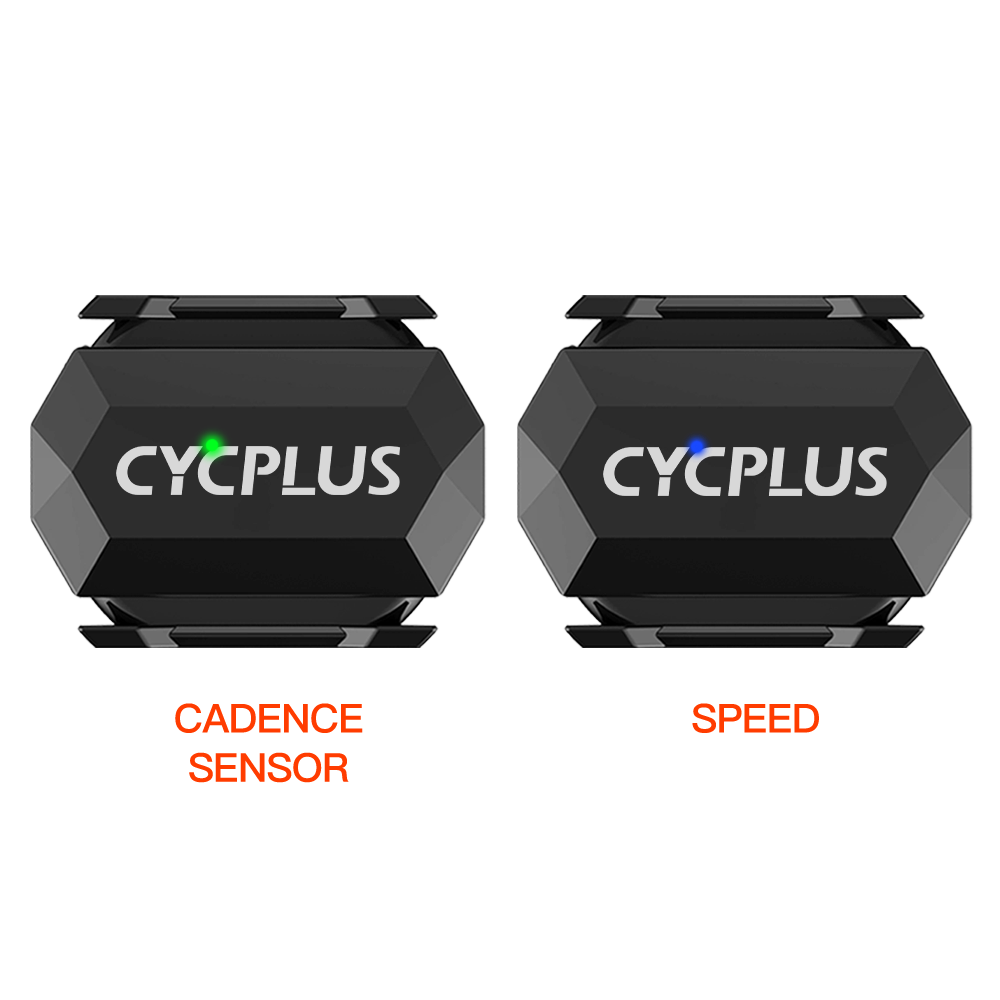
CYCPLUS C3 Cadence Wireless Speedometer Bicycle Cadence Speedometer Outdoors Fitness Candence Sensor
Get Catalog
Engineered for Commercial Resilience, Automotive Grade Reliability, and Rapid Deployment
The global demand for roadside vehicle recovery systems and compact emergency air compressors has undergone a structural paradigm shift. Once treated as clunky, lead-acid-powered, garage-bound accessories, contemporary tire inflators are now classified as mission-critical, intelligent life-safety electronics. As automotive architectures migrate rapidly toward electrified vehicles (EVs) where spare tires are systematically eliminated to conserve curb weight and aerodynamic packaging, the integration of an on-board, ultra-high-pressure cordless emergency inflator has transitioned from an aftermarket luxury to a non-negotiable contingency standard.
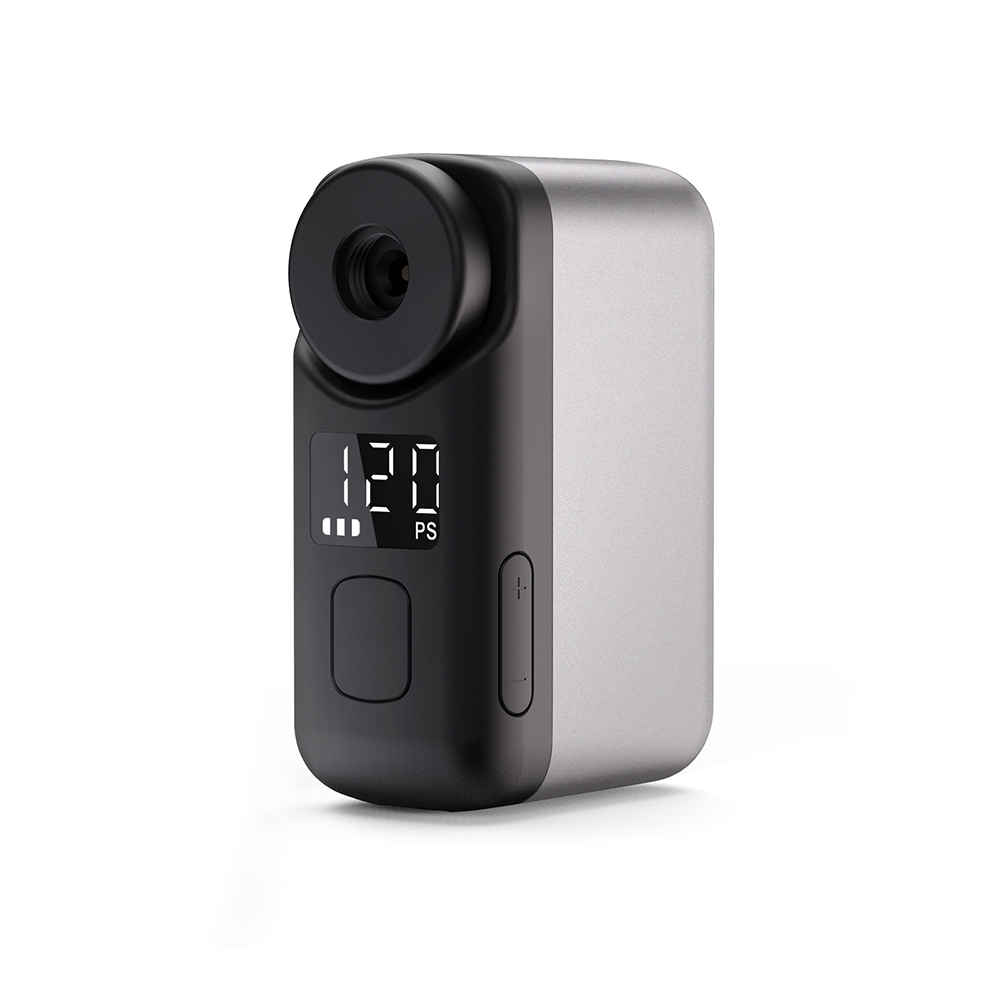
As an SGS-verified manufacturer based in Chengdu, China, JUNE Intelligent Technology Co., Ltd. has spearheaded this micro-pneumatic revolution for over 11 years. Our engineering ethos unites proprietary brushless direct-current (BLDC) motor assemblies, metallurgical die-cast zinc-alloy gear sets, and real-time microcontroller-driven piezoresistive pressure transducers. The resulting inflator units achieve maximum pneumatic delivery rates while retaining a palm-sized chassis profile suitable for storage in glove compartments, saddlebags, or emergency seat pockets.
Understanding the modern procurement landscape requires acknowledging the acute failure points common in low-tier manufacturing: thermal dissipation breakdown during continuous compression strokes, parasitic battery discharge across prolonged winter dormancy, and mechanical piston ring deformation under backpressures exceeding 100 PSI. Our hardware ecosystems resolve these foundational pain points by employing aerospace-grade PTFE self-lubricating piston rings, multi-ducted centrifugal vortex cooling, and intelligent battery protection systems rated down to -20°C ambient storage conditions.
Market Shifts Driving Product Roadmaps and Distribution Portfolios for 2025–2030
Manual analog gauges are entirely obsolete in professional commercial tenders. Future institutional procurement prioritizes integrated intelligent microcontrollers that run multi-mode preset algorithms (Bicycle, Motorbike, Passenger Car, Ball, and Custom Mode). The pump dynamically computes target pressure, regulates motor torque during backpressure escalation, and triggers instantaneous mechanical decoupling within 10 milliseconds of hitting target PSI.
Emergency inflators are merging functionally with roadside tactical gear. Importers are demanding bi-directional Power Delivery (PD) controllers that allow inflator battery banks to function as rapid field charging hubs for mobile communications, navigation systems, or drone gear during outdoor vehicle excursions. High discharge-rate batteries are paired with USB-C PD 45W–65W circuits for rapid replenishment.
With international air and maritime transport authorities tightening restrictions on bulk lithium battery transport, procurement teams now evaluate factories based on their in-house testing verifications. Future-proof product lines must incorporate certified flame-retardant V-0 casing resins, shock-isolated cell brackets, and fully validated MSDS/UN38.3 certifications that guarantee unhindered global customs clearance.
Breakthroughs in Metallurgical Machining, Noise Suppression, and Thermal Dynamics
The replacement of traditional brushed carbon motors with custom three-phase BLDC architectures boosts mechanical efficiency by over 38%. By eliminating friction losses and mechanical brush wear, modern emergency inflators produce significantly less operational heat, run continuously for longer inflation windows, and boast lifespans exceeding 1,200 full inflation duty cycles under testing bench profiles.
Legacy emergency air compressors frequently generate noise volumes exceeding 90 dBA, creating panic and operational stress during night-time breakdowns. Breakthrough developments in dual-piston opposed counter-weight balance mechanisms, combined with internal silicon suspension bushings, decrease audible acoustic output below 72 dBA while maintaining high displacement volumes (25–35 L/min).
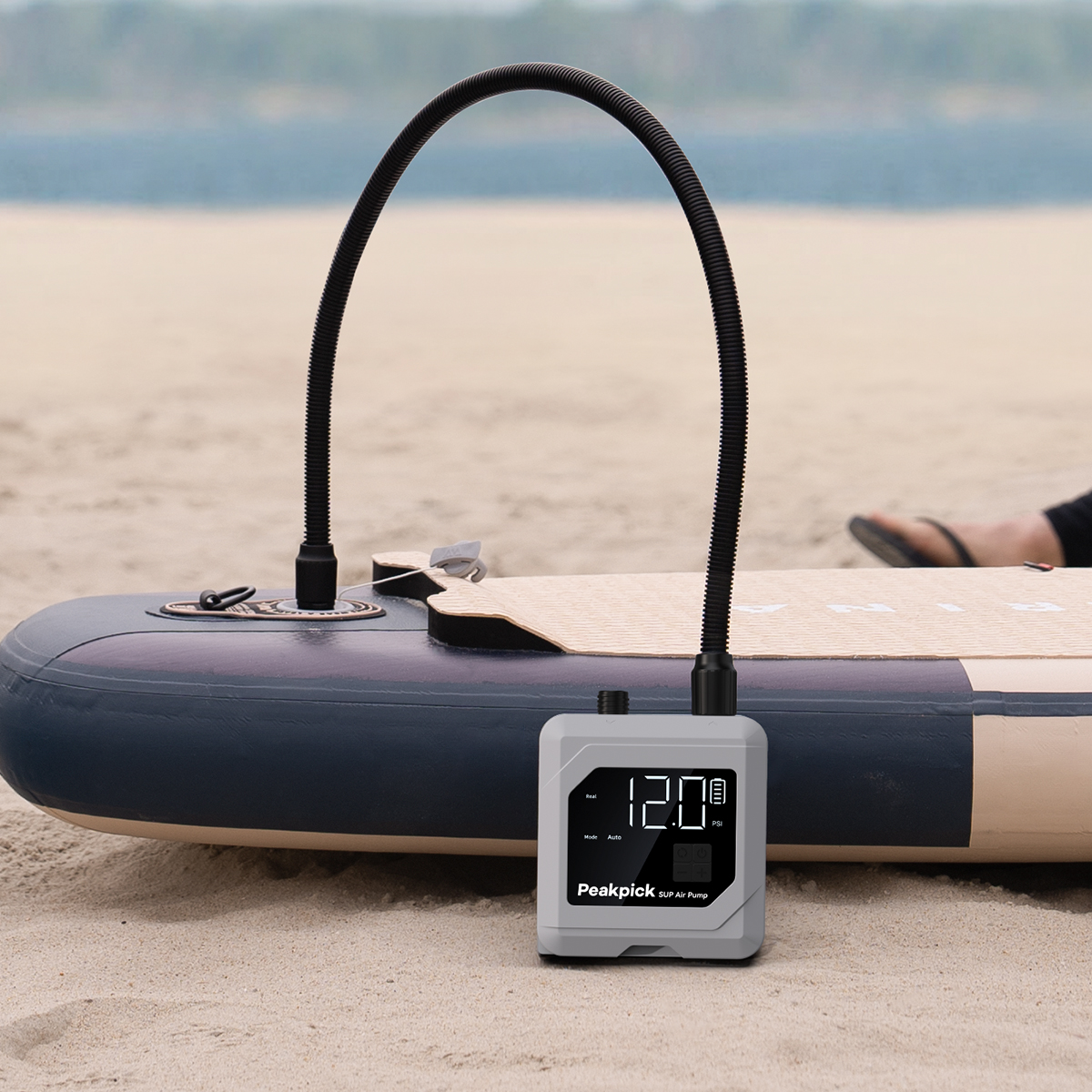
Bridging the architectural divergence between high-pressure micro-pumps (up to 150 PSI for road bikes and cars) and high-volume inflators (such as SUP paddle boards requiring 20 PSI at 350 L/min), next-generation hybrid compressors utilize two-stage pneumatic staging. A high-flow centrifugal fan handles primary volumetric fill before automatically engaging an epicyclic piston compressor for final high-pressure lock-in.
End-to-End Vertical Integration Audited On-Site by the World's Leading Inspection Bodies
Our 3,780m² facilities in Chengdu undergo rigorous on-site audit protocols verifying factory throughput, employee welfare, R&D equipment, and assembly precision standards.
Equipped with hydraulic and pneumatic presses, ultrasonic welding systems, automated bench drills, and high-precision calibrators ensuring airtight structural housings.
100% incoming raw material inspection, dedicated DC power testing benches, automated packaging machines, and real-time stress testing of finished micro-cylinders.
Direct communication without technical brokers. Our export department supports OEM/ODM enterprise accounts in English, Italian, German, and Japanese.
Addressing Critical Buyer Questions Regarding Testing, Lead Times, and Certification Compliance
Partner directly with China's leading SGS-verified manufacturing facility. Access factory-direct wholesale pricing tiers, full OEM/ODM industrial design capabilities, and complete compliance documentation.
Get Catalog