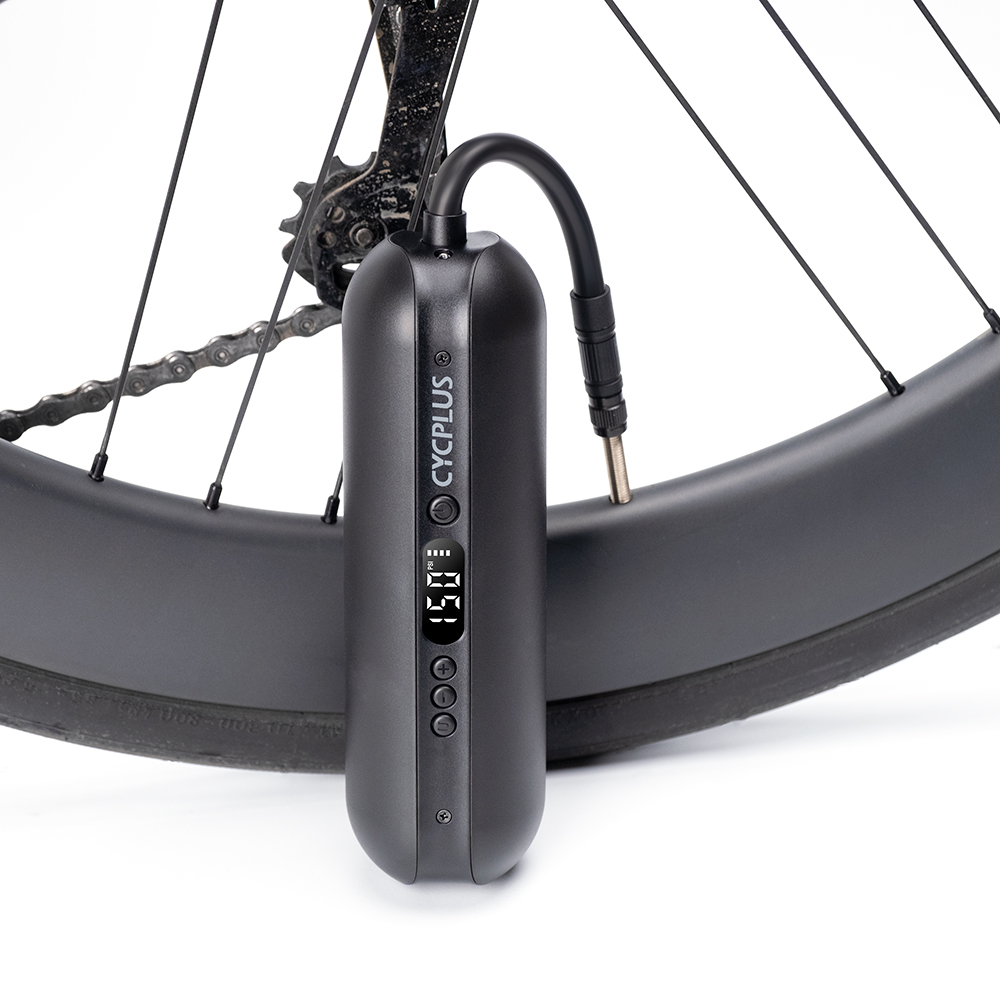
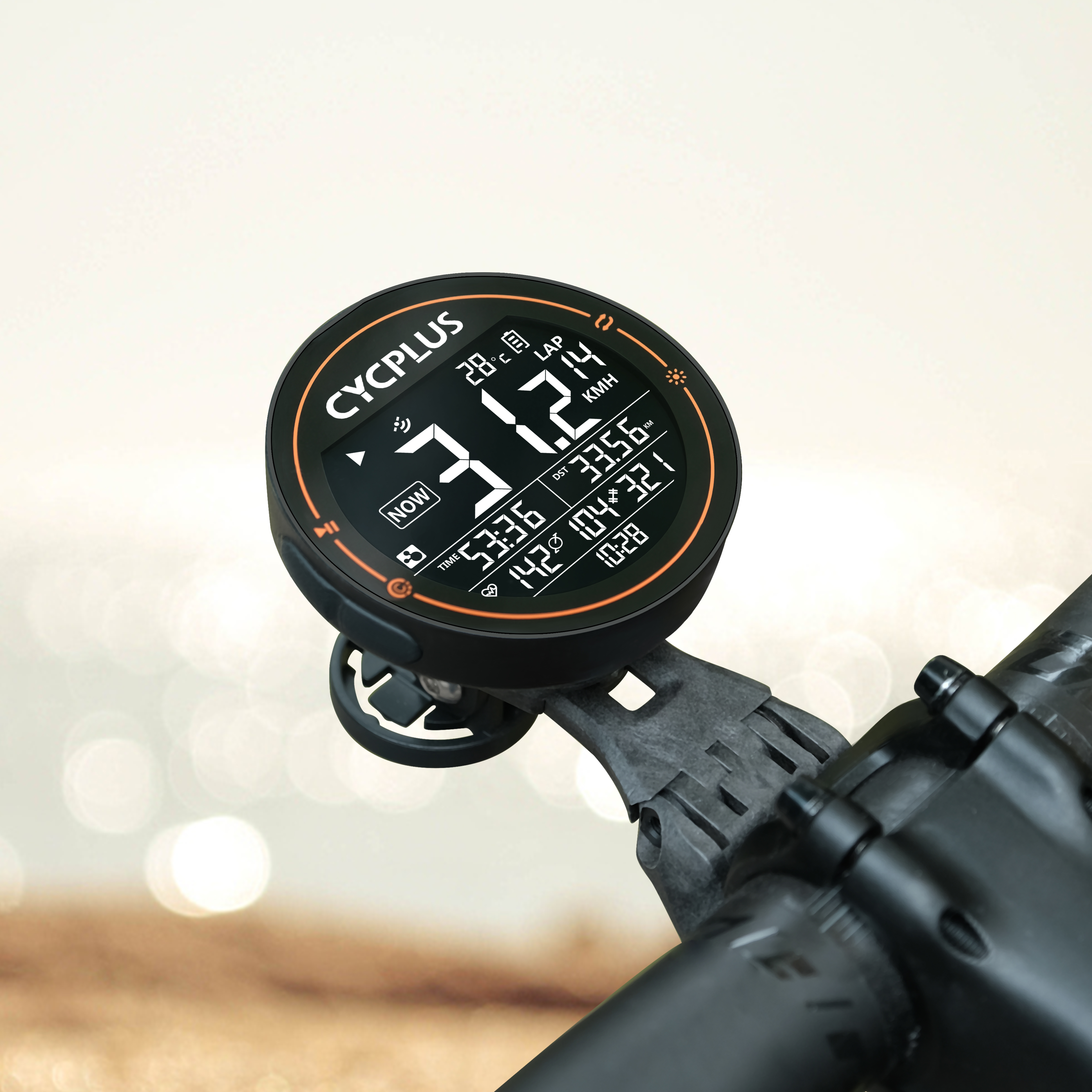
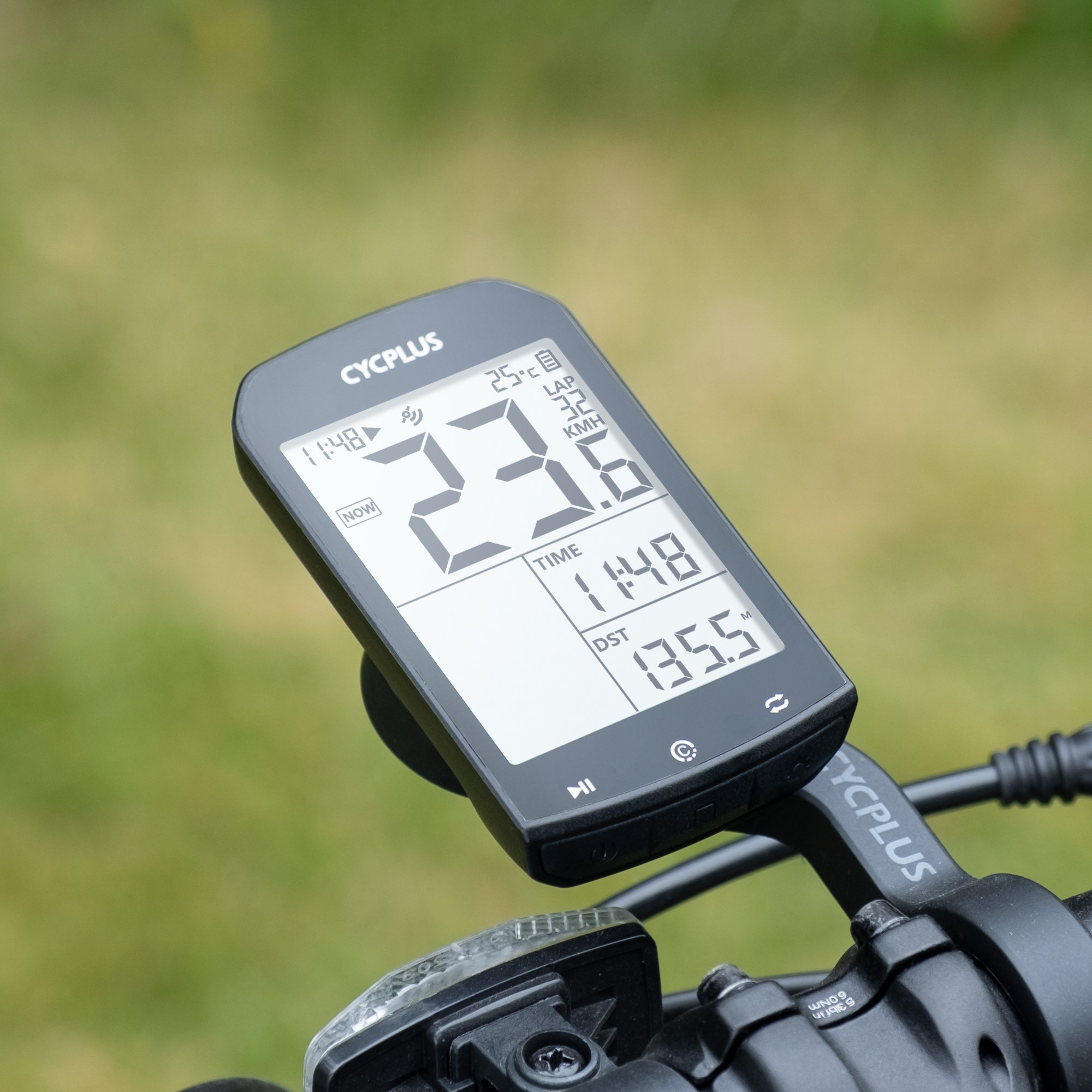
Engineered Precision: Core Recommended Solutions
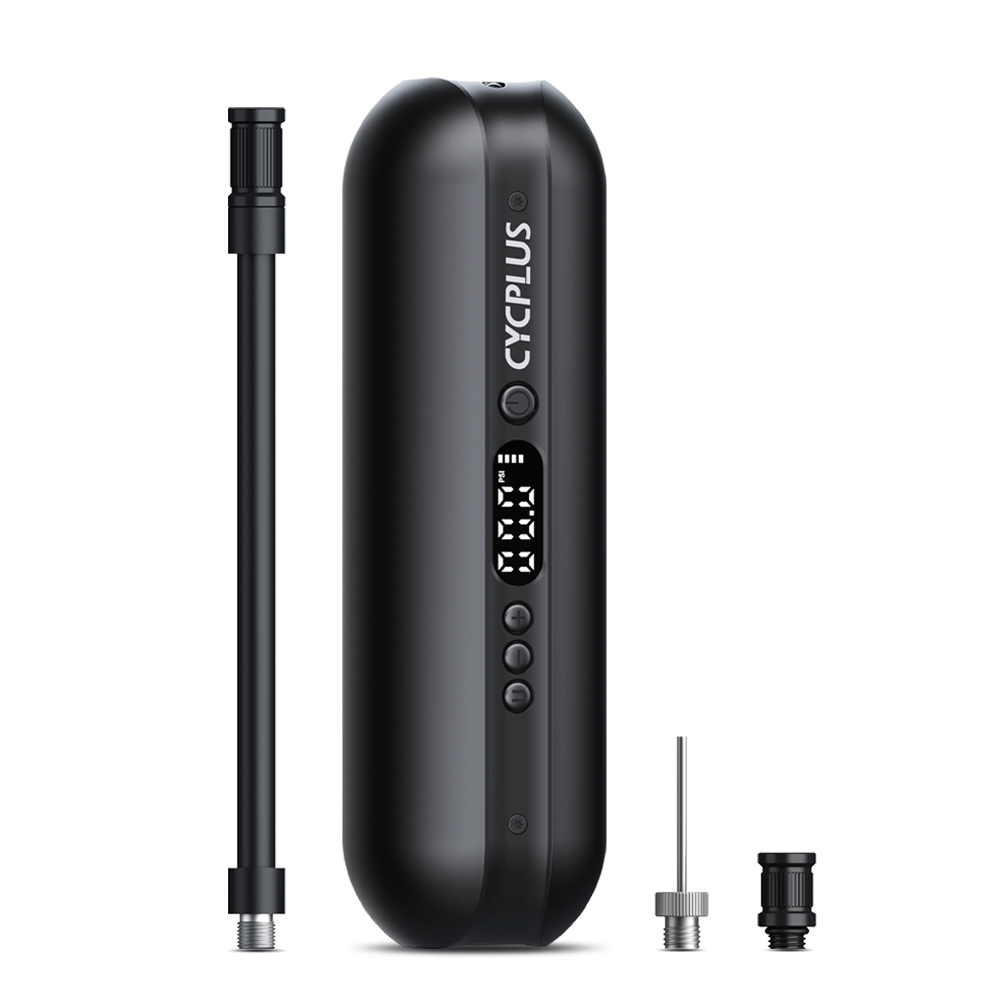
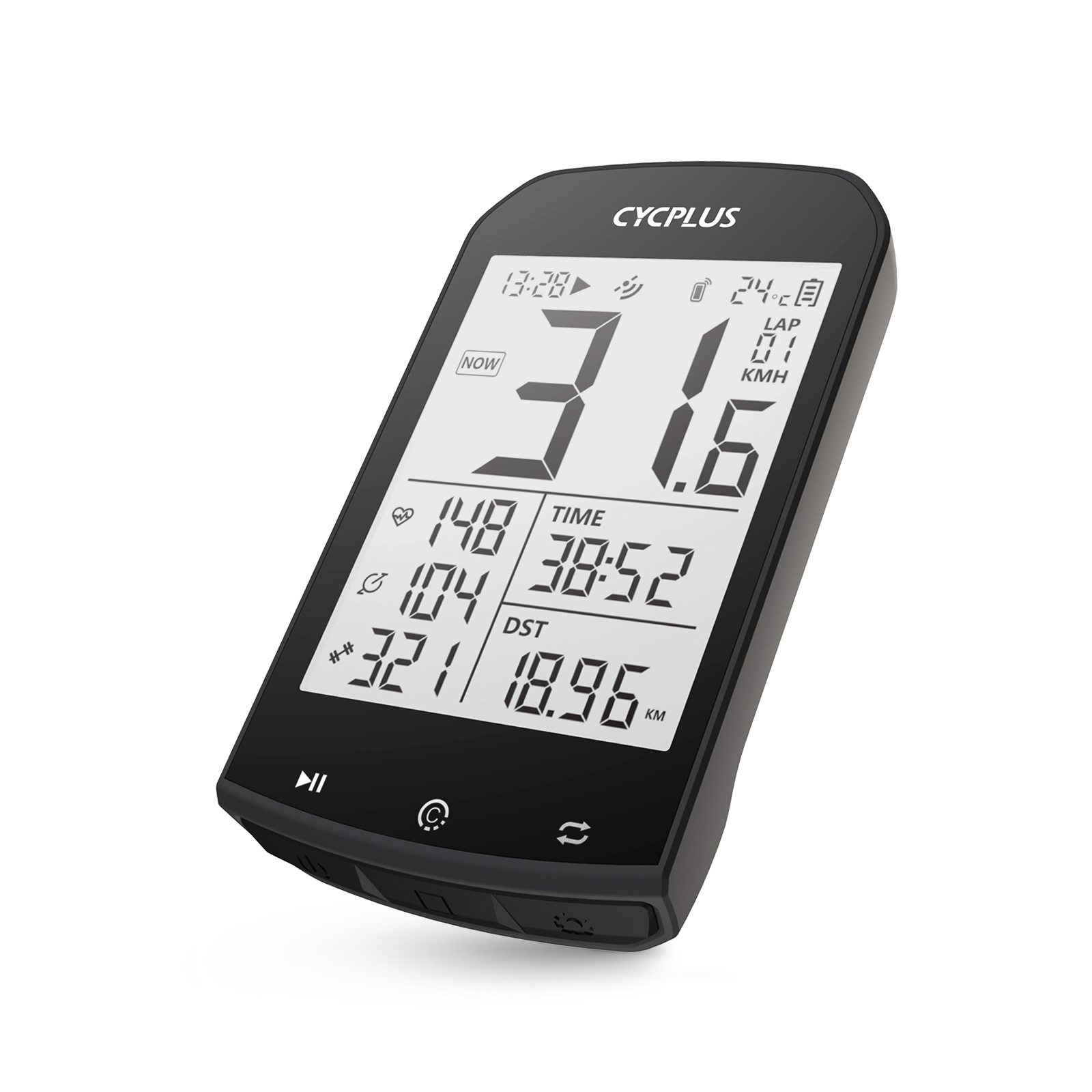
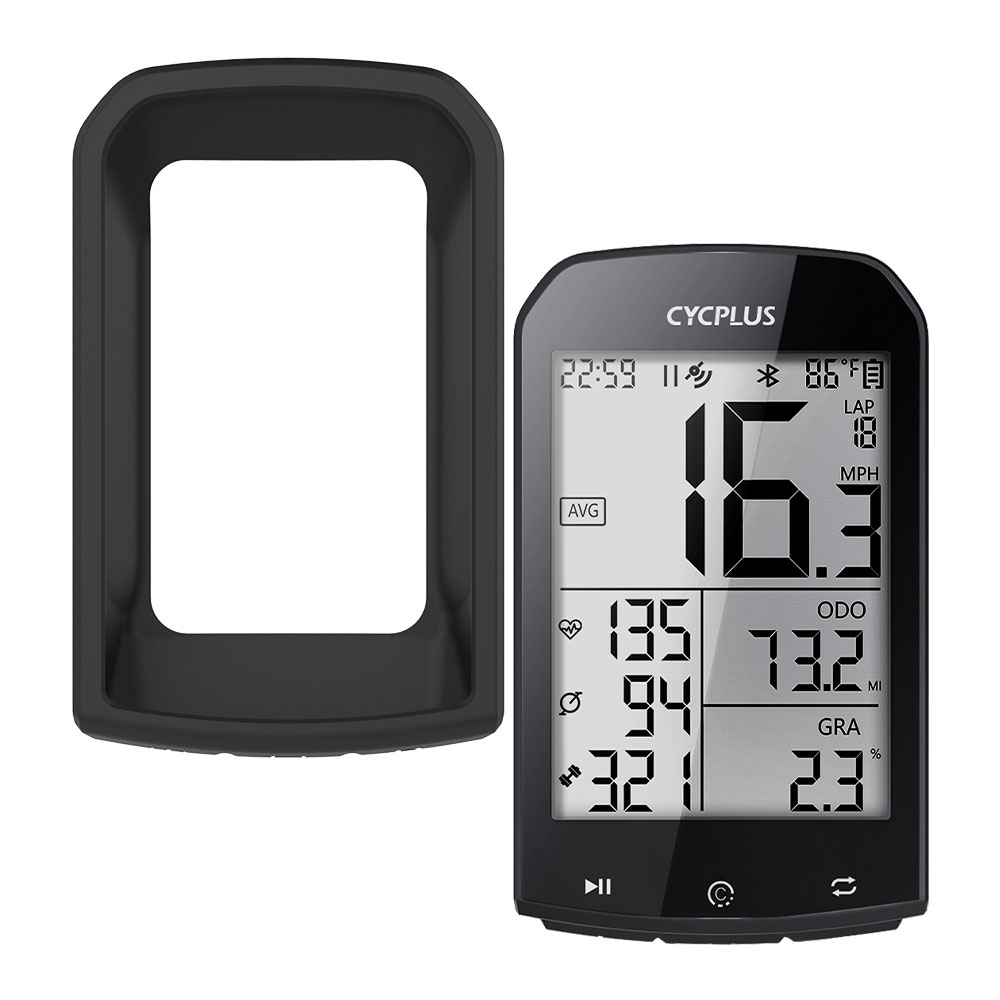
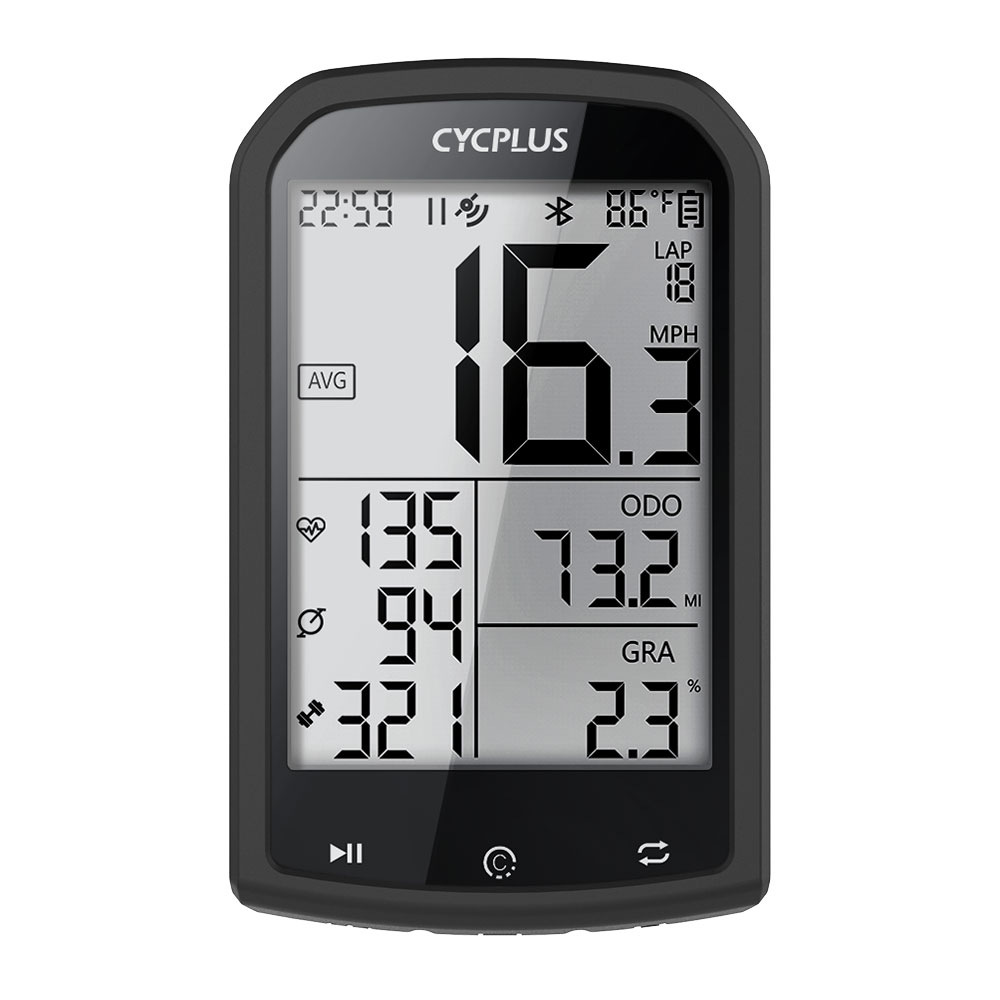
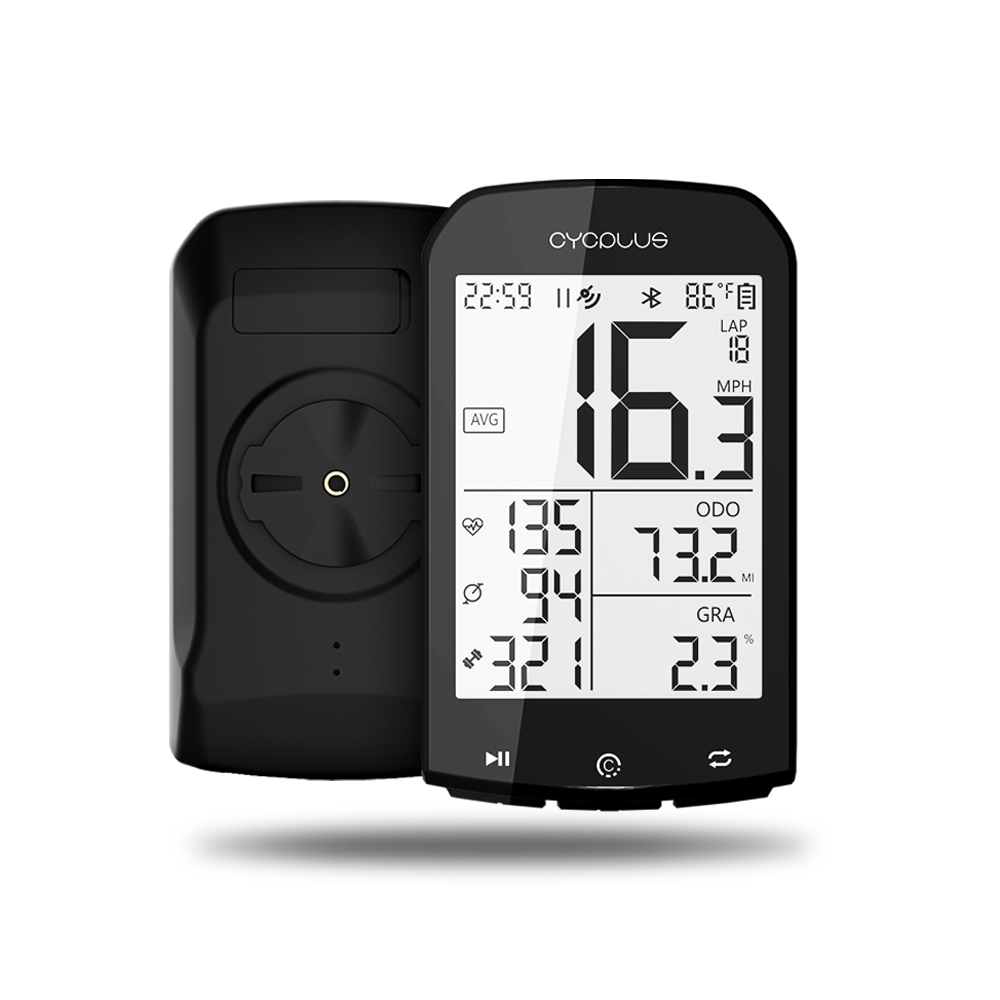
Explore our SGS-audited line of micro-pneumatic tire inflators and synchronized cycling telemetry hardware. Built with proprietary heat dissipation alloys and high-accuracy pressure sensing chips.
Technical Architecture: The Engineering of Micro-Pneumatics
In-depth structural breakdown of how miniature cylinders sustain high volumetric efficiency without thermal seizure.
Die-Cast Zinc Alloy Gear Assemblies
Traditional compact inflators rely on polyoxymethylene (POM) plastic gears that degrade under friction thermal loads above 65°C. Our production architecture implements high-precision die-cast zinc-aluminum alloys with sintered bronze bearings. This mechanical linkage preserves piston travel concentricity within ±0.02mm, ensuring linear continuous displacement through repeated high-pressure cycles up to 150 PSI.
Differential Pressure Sensor Calibration
Low-tier consumer compressors frequently suffer from gauge hysteresis error, varying as wide as ±5 PSI across environmental ambient shifts. We integrate piezoresistive silicon pressure sensors featuring integrated continuous temperature compensation algorithms. Digital control loops monitor cylinder chamber air pressure at 100Hz sampling rates, stopping inflation exactly within ±1 PSI of target parameters.
Dual 18650/21700 High-C-Rate Battery Arrays
To deliver up to 30A instantaneous stall current required to compress pneumatic columns at peak pressures, our PCB architectures incorporate tiered battery management systems (BMS) with high-density lithium cells. Hardware protection covers over-charge, over-discharge, short-circuit, and dual NTC thermal throttling that actively regulates charge speed and discharge availability based on case thermals.
Engineering Audit: OEM Evaluation Matrix
Comparative benchmarks for brand managers and engineering teams sourcing high-duty portable compressors.
| Evaluation Parameter | Generic Consumer Grade | JUNE Industrial OEM/ODM Standard | Commercial Advantage |
|---|---|---|---|
| Cylinder & Piston Construction | Stamped aluminum tube with rubber O-ring | CNC Hard-Anodized Alloy Bore (Ra < 0.4µm) + PTFE Seal | Eliminates piston blow-by; triples operational life cycle |
| Continuous Duty Cycle | 4 to 6 minutes before mandatory thermal cutoff | 12 to 18 minutes sustained running at 100 PSI | Capable of inflating multiple road/MTB tires or passenger car tires |
| Target Cutoff Accuracy | ±3.5 to ±5.0 PSI variance | ±1.0 PSI absolute precision cutoff | Protects carbon composite wheelsets and tubeless road setups |
| Acoustic Emission Level | > 85 dB(A) at 1 meter distance | < 72 dB(A) via dual-chamber balanced counterweights | Tier-1 consumer brand acoustic profile and reduced resonance |
| PCB Surface SMT Standards | Single-sided wave soldering, non-conformal | Double-sided automated SMT + Silicone Moisture Barrier | IPX4 to IPX6 operational weather resilience |
Market Dynamics: Future Trends in Portable Electric Inflation
Strategic purchasing insights for 2025–2028: How regulations, chemistry, and smart interfaces reshape global retail shelves.
Miniaturization via Brushless DC Motors (BLDC)
The global outdoor market is moving rapidly away from heavy brushed motors. Next-generation portable inflators utilize high-RPM 3-phase slotless brushless motors. By shifting electromagnetic switching to silicon ESCs, volumetric dimensions drop by 40% while raising energy conversion efficiency from 60% to over 85%. OEM buyers must pivot toward BLDC architectures to meet pocket-size performance demands from road cyclists and gravel enthusiasts.
Unified USB-C Power Delivery & Bidirectional OTG
Global supply chain regulations—principally the EU Common Charger Directive (Directive (EU) 2022/2380)—make legacy proprietary barrel plugs and Micro-USB ports obsolete. Importers face border rejections without standardized Type-C PD compliance. Sourcing trends prioritize bidirectional fast charging, enabling the inflator's high-drain battery pack to function as an emergency power bank for cycle computers, headlamps, and phones.
Tubeless Tire Bead Seating High-Volume Bursts
The ubiquity of tubeless cycling systems in gravel and road categories has altered end-user expectations. Slower standard inflators struggle to provide the burst volume required to seat the tire bead onto the rim hook. Future ODM sourcing focuses on hybrid 2-stage pumps: an initial high-flow volumetric output (25 L/min) to snap the bead, seamlessly switching to a high-pressure low-displacement cycle (up to 120 PSI) for fine calibration.
Enterprise Strengths: SGS-Verified Manufacturing Facilities
11 years of engineering maturity backed by 195 full-time personnel, integrated SMT lines, pneumatic press stations, and strict ISO/CE compliance.
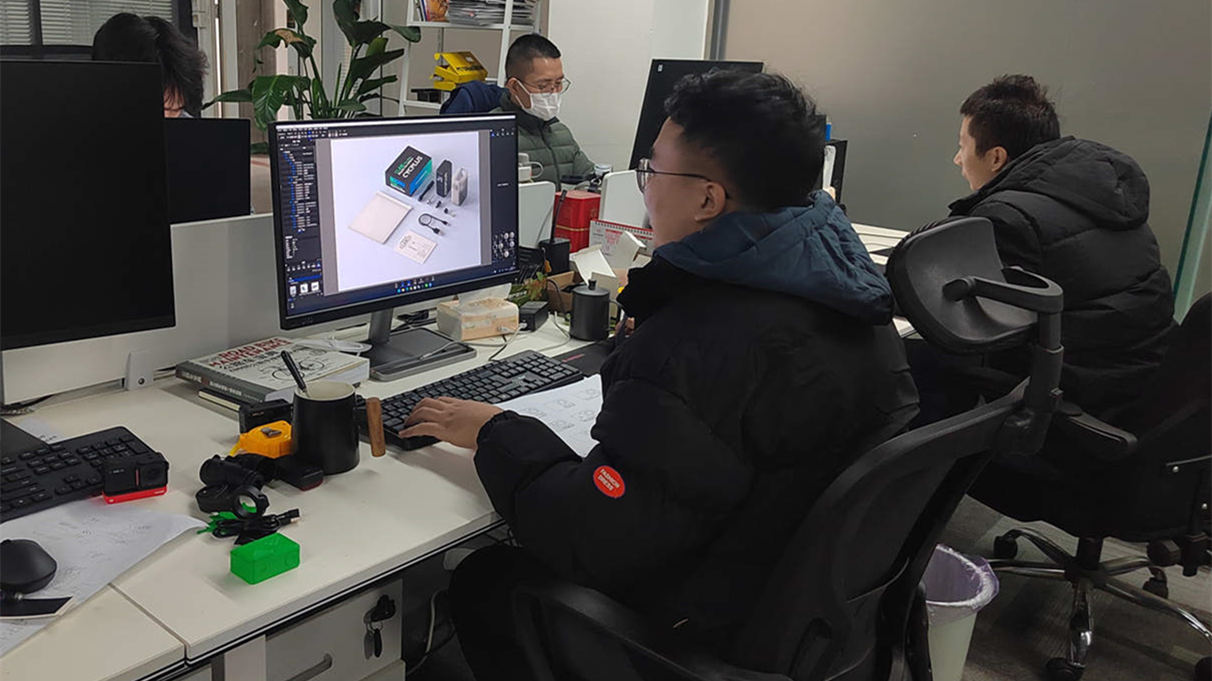
In-House CAD/CAM Prototyping
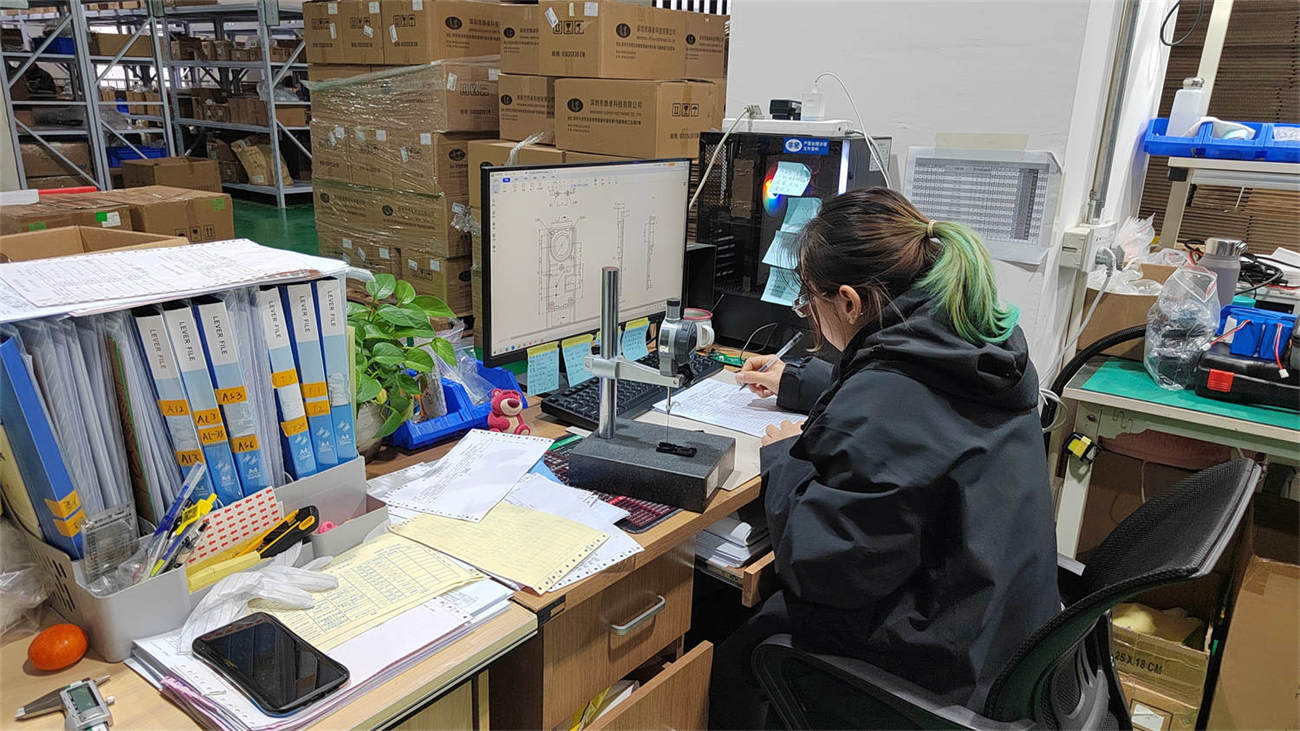
Incoming Material Testing
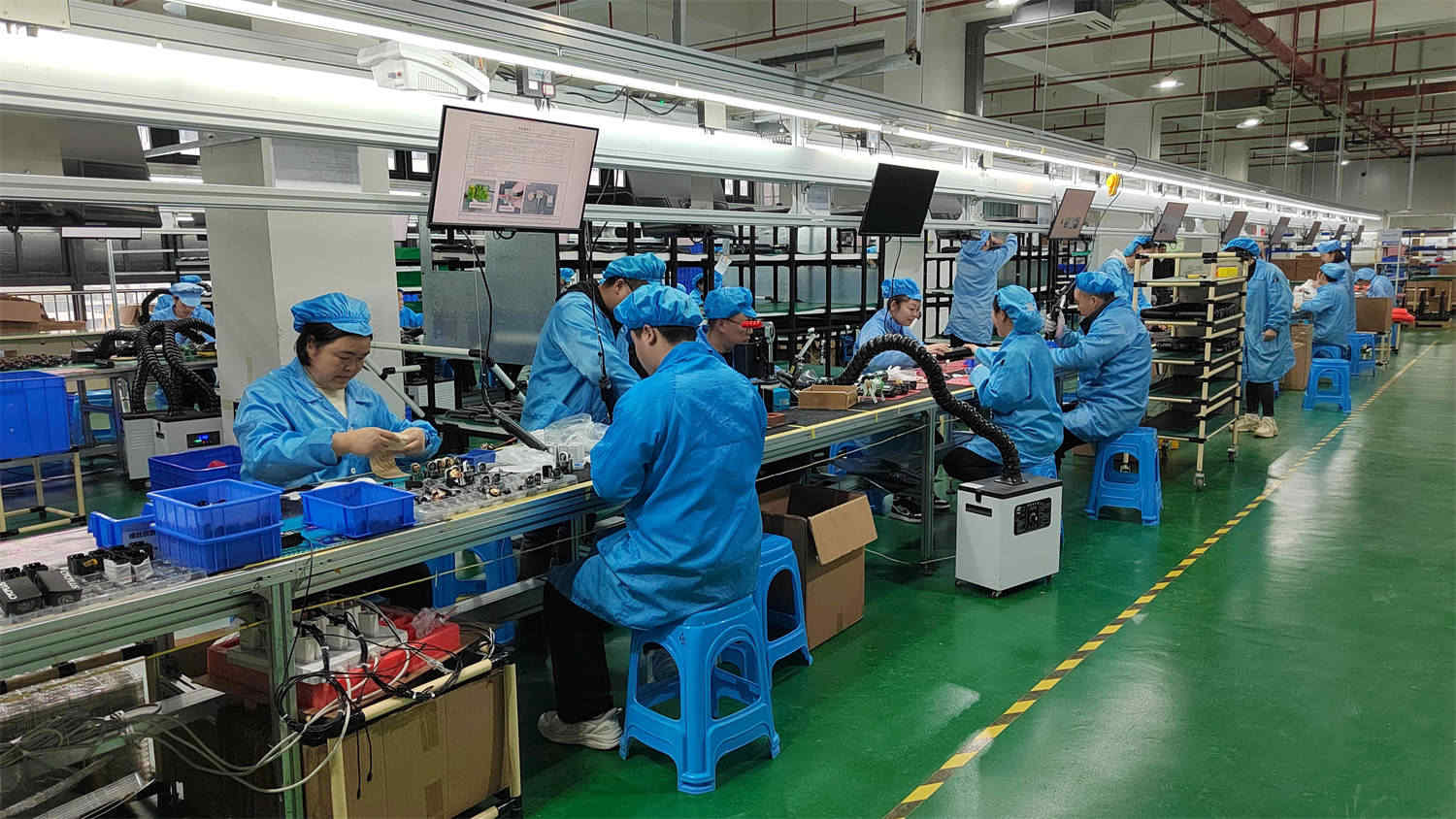
Semi-Automated Assembly
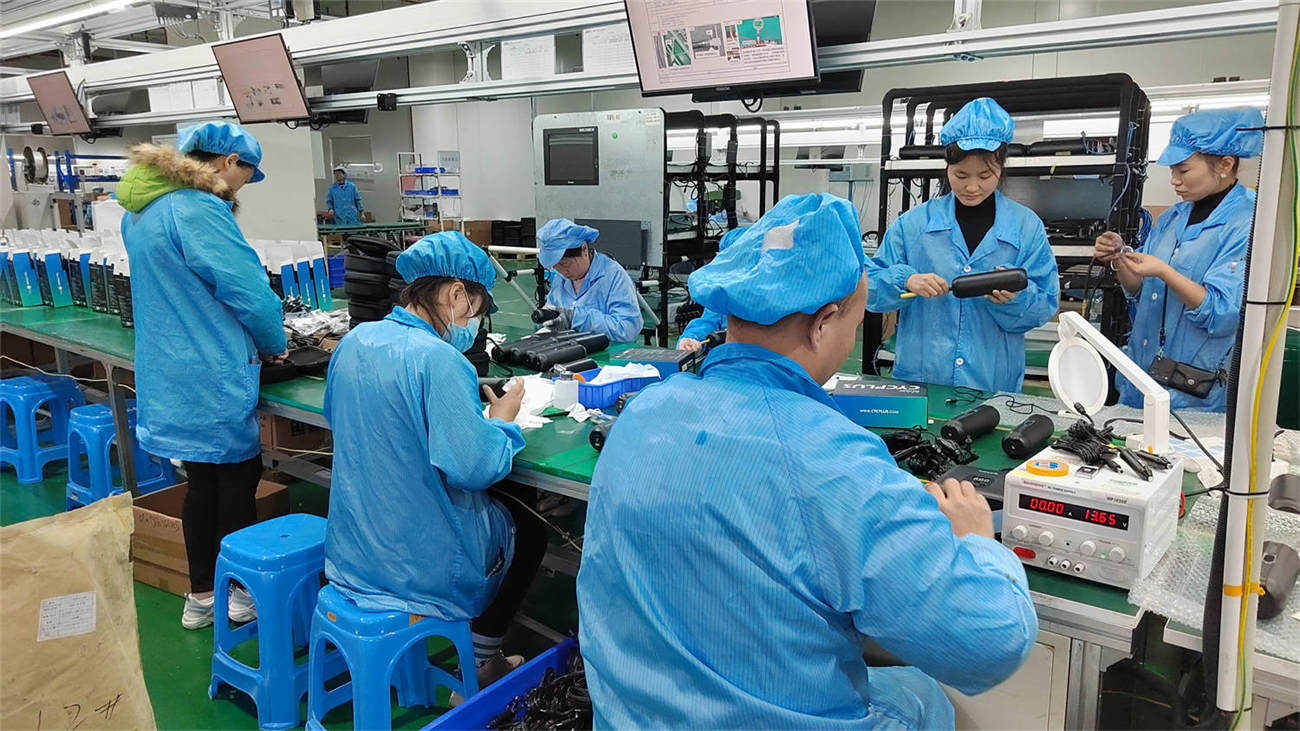
100% Quality Function Verification
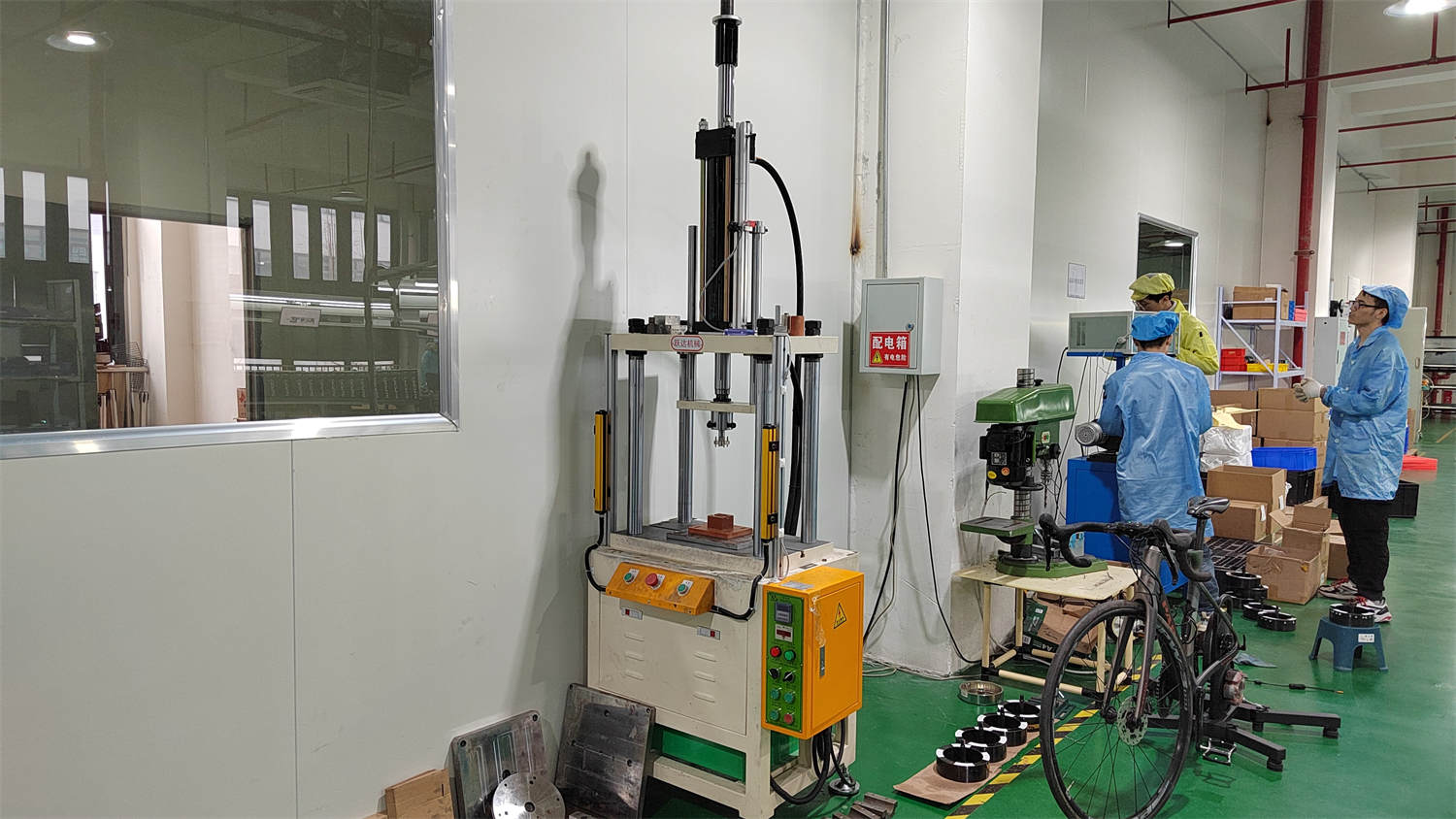
Hydraulic Precision Pressing
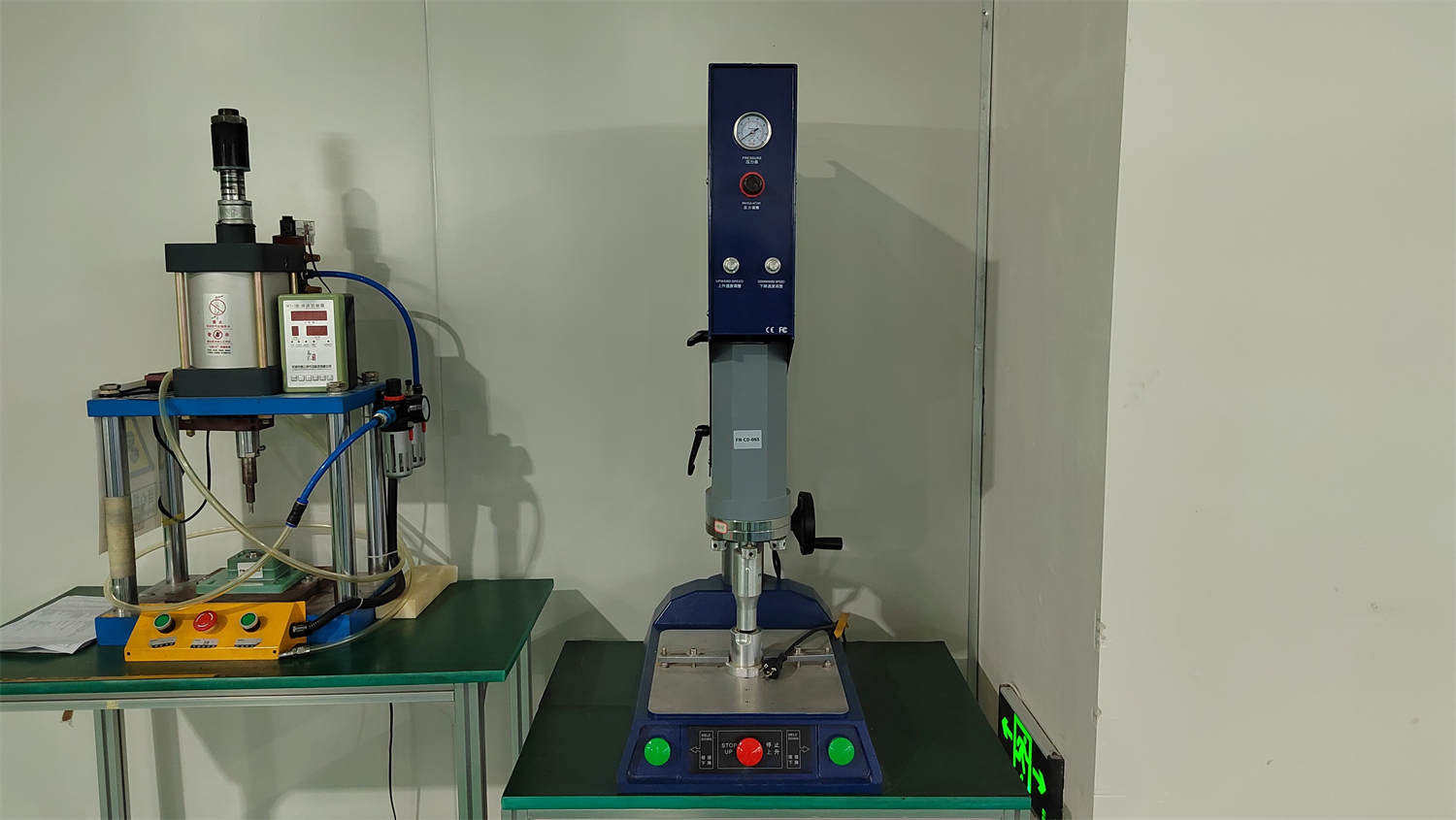
Ultrasonic Housing Sealing
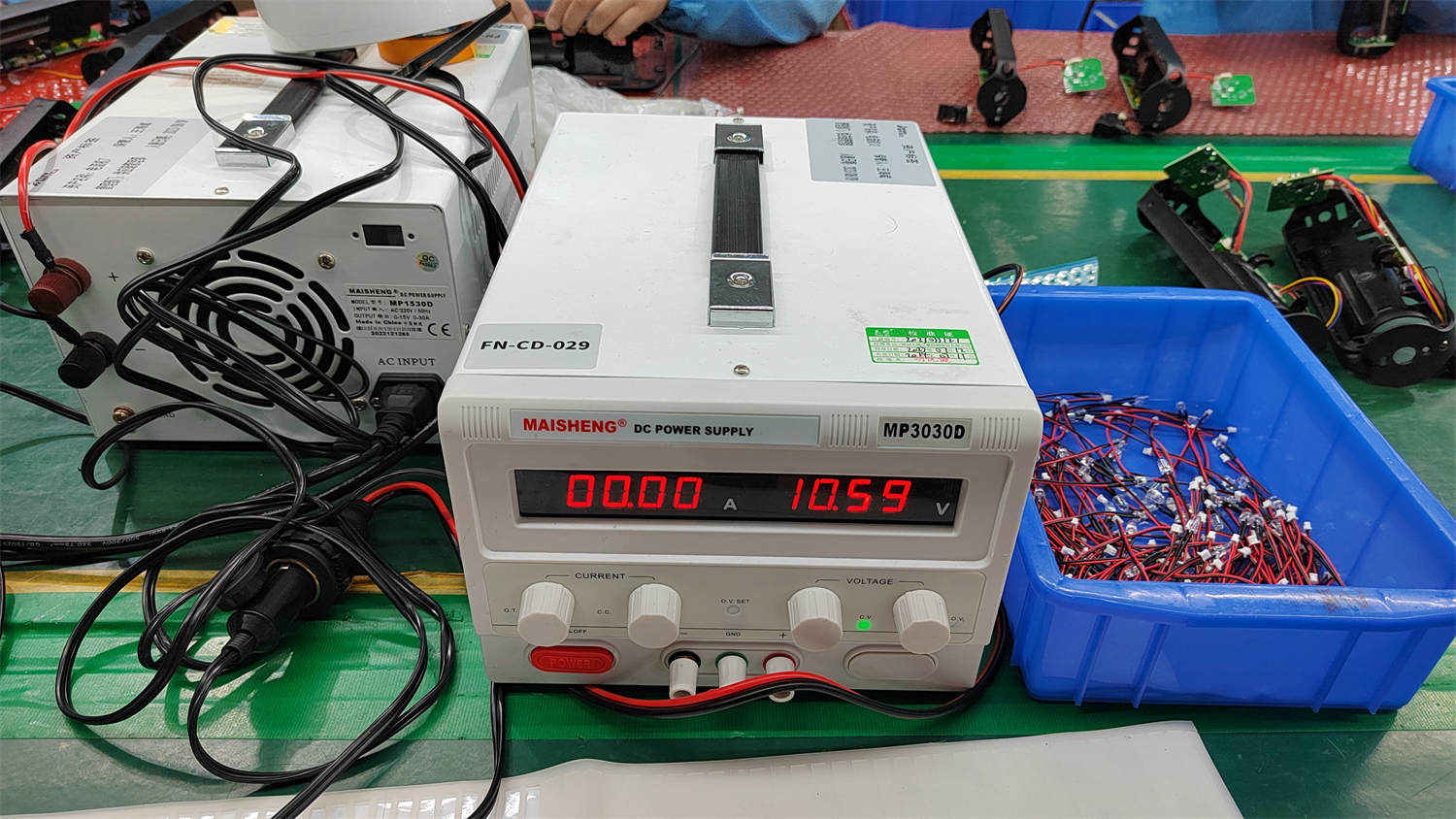
Precision DC Bench Evaluation
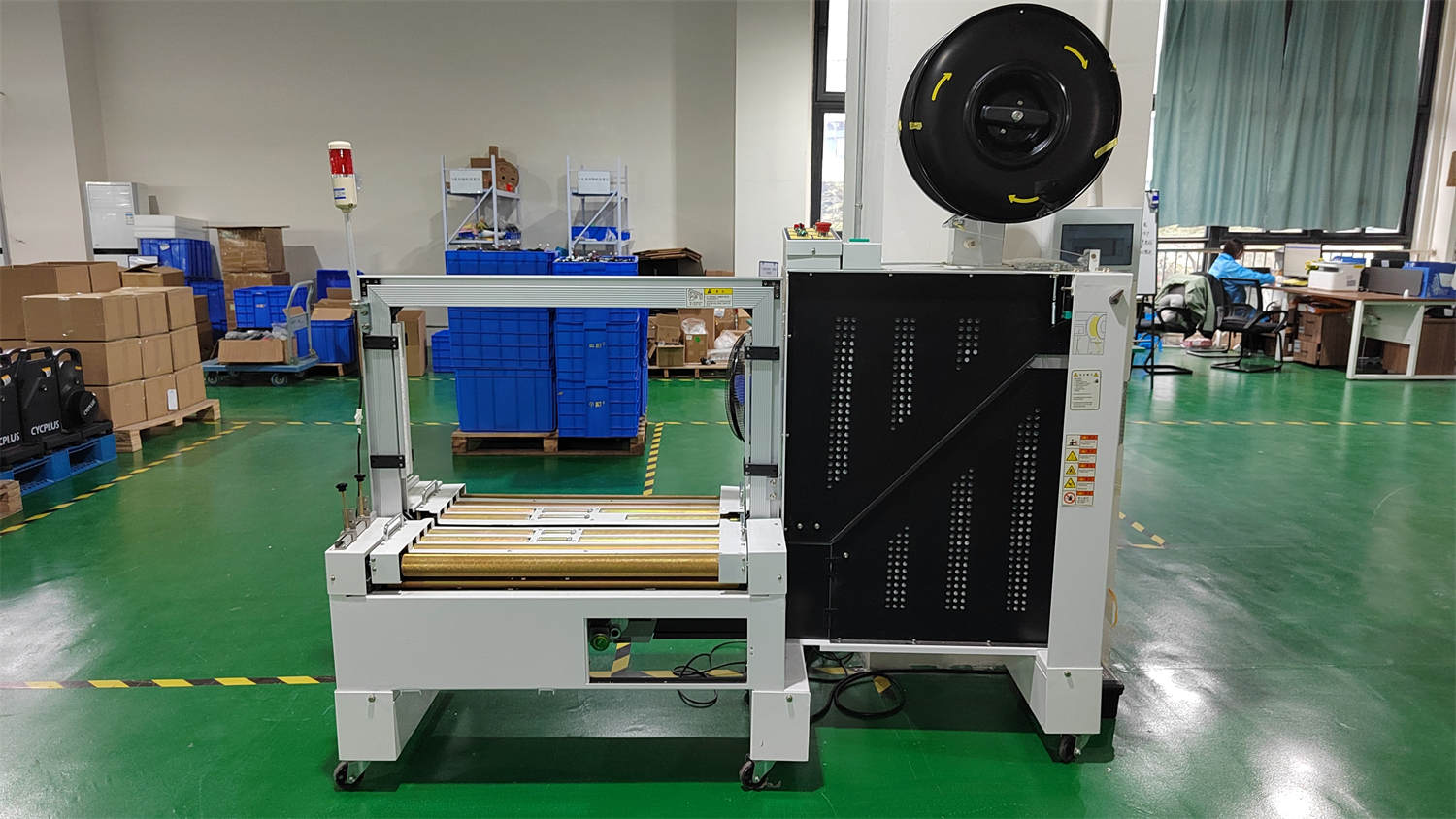
Automatic Retail Packaging
Procurement FAQ: Critical Sourcing Queries Answered
Clear, direct answers regarding compliance, lead times, customizations, and supply chain logistics.
What is the typical Minimum Order Quantity (MOQ) for custom private-label branding?
For standard catalog units featuring laser-etched private logos and custom packaging graphics, our base evaluation runs start at 500 units. For fully customized shell molding, unique battery capacities, or specialized industrial firmware configurations, typical tooling commitments start at 2,000 to 3,000 units. Off-the-shelf samples for validation and bench testing can be dispatched in 2 to 5 business days.
How does your factory resolve lithium battery transport compliance (UN38.3, MSDS)?
All portable electric inflators ship fully compliant with UN38.3 transport safety testing, complete with official Material Safety Data Sheets (MSDS) and drop-test packaging verification. We handle both sea freight hazardous cargo declarations (FCL/LCL) and certified air cargo transit via bonded air carriers in compliance with IATA Section II Dangerous Goods regulations.
Can our engineering team specify custom pressure firmware presets and display UI?
Yes. Our in-house firmware development engineers accommodate custom UI icon layouts, localized languages, specific target pressure limits (e.g., limiting sports ball modes to 15 PSI to avoid user error), and bespoke power-on splash branding on digital OLED and segmented LED displays.
What valve interfaces are provided with your OEM pump product lines?
Our units ship with modular dual-head brass or reinforced composite adapters natively compatible with both Schrader (American) and Presta (French) valves. We also provide customized accessories including Dunlop adapters, high-pressure needle valves for athletic inflatables, and high-volume tapered nozzles for marine inflatables or SUP applications.
What quality testing and burn-in protocols are executed prior to export release?
Quality control begins at incoming raw materials inspection (IQC) via statistical sampling. Post-assembly, 100% of finished inflators undergo an automated pressure-cycle burn-in test, checking maximum current draw, motor heat, stall characteristics, and pressure sensor accuracy. Random batch audits undergo accelerated drop testing, acoustic sound-chamber verification, and thermal environmental testing (-20°C to +60°C).
Accelerate Your Brand's Hardware Roadmap
Partner directly with an SGS-verified manufacturer. Our 35-person international sales desk supports English, Italian, German, and Japanese commercial correspondence. Request spec sheets, CAD files, and factory-direct pricing today.
