Up to 20 PSI
Battery Powered
Auto-Stop
High Flow
The global cycling inflator ecosystem is undergoing an accelerated technological evolution. Traditional manual barrel pumps and single-use CO₂ cartridges are rapidly yielding ground to pocket-sized, micro-brushless cordless electric pumps. JUNE Intelligent Technology Co., Ltd. stands at the nexus of this transformation. Operating from our SGS-audited 3,780 m² production facility in Chengdu, Sichuan, our 195-person industrial unit combines mechanical R&D, surface-mount electronics, pressure-sensor calibration, and rapid OEM/ODM deployment to deliver class-leading compact bike pumps and intelligent cycling peripherals.
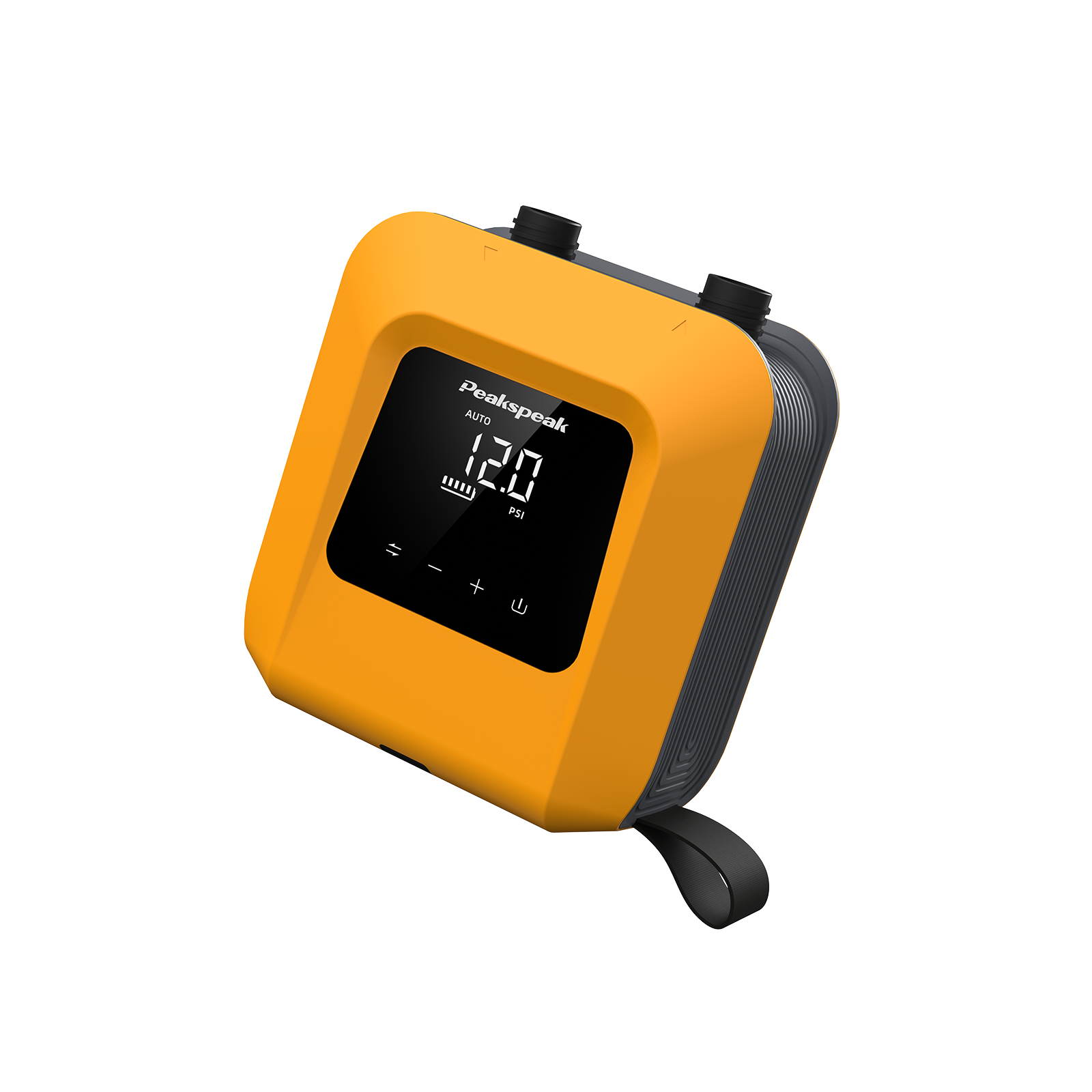
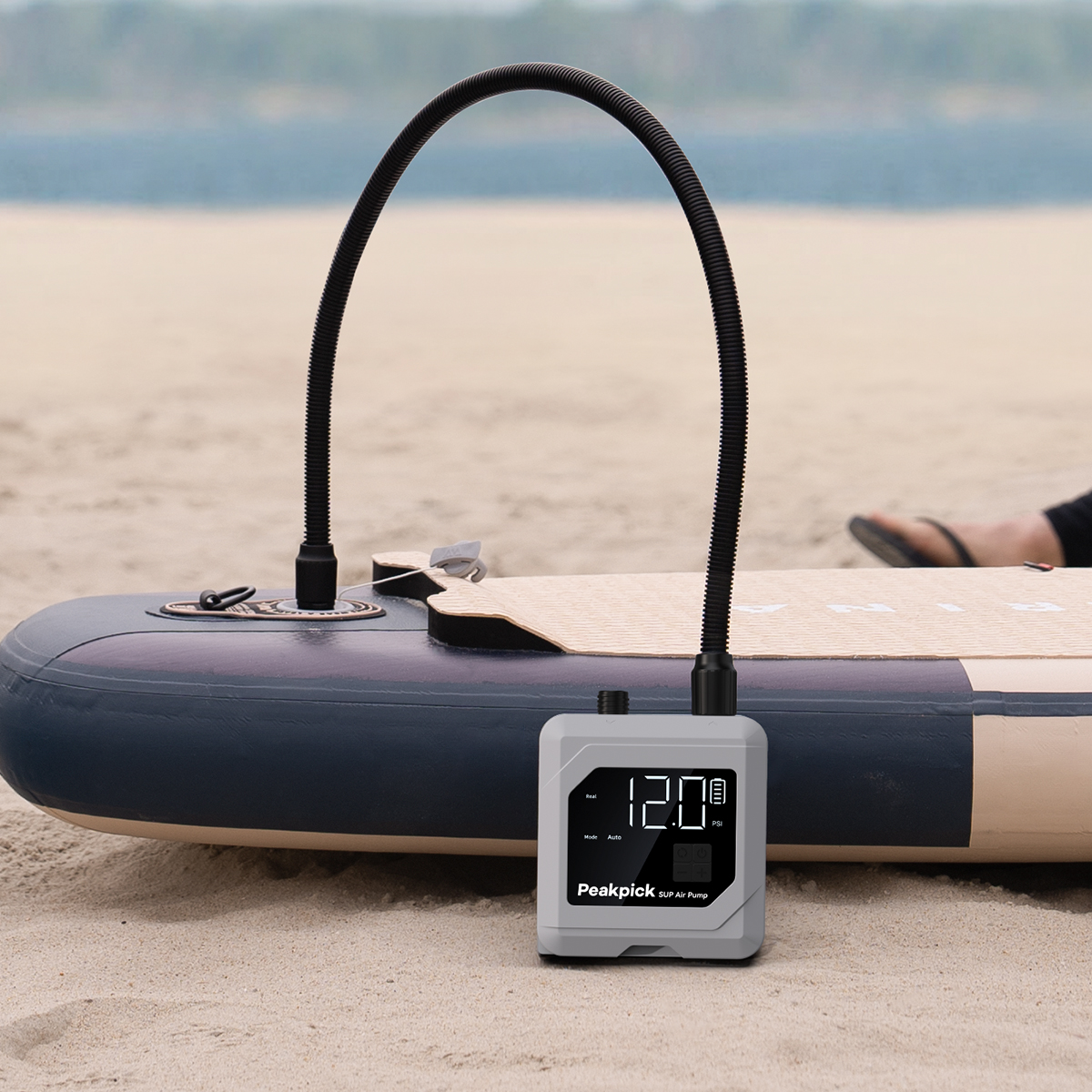
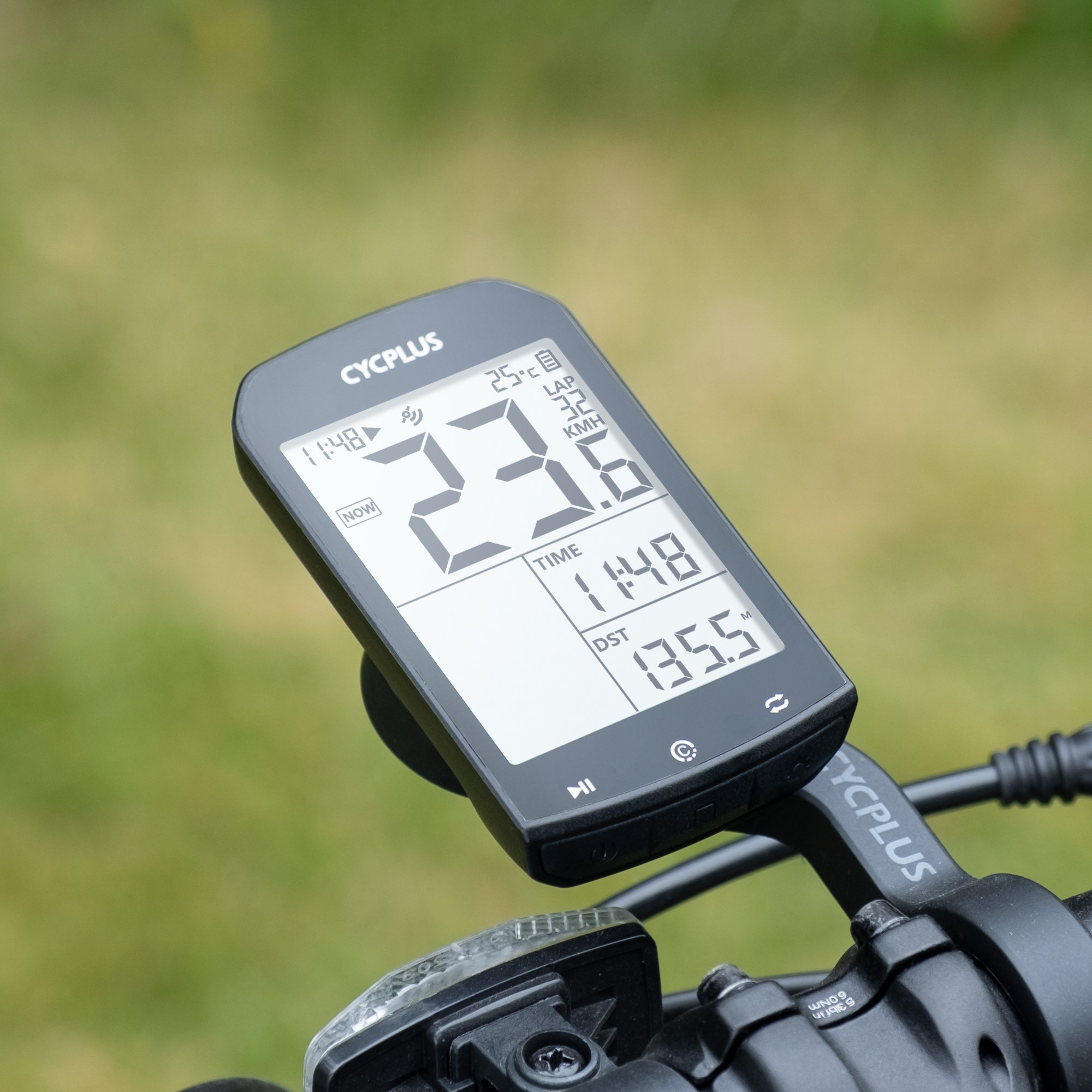
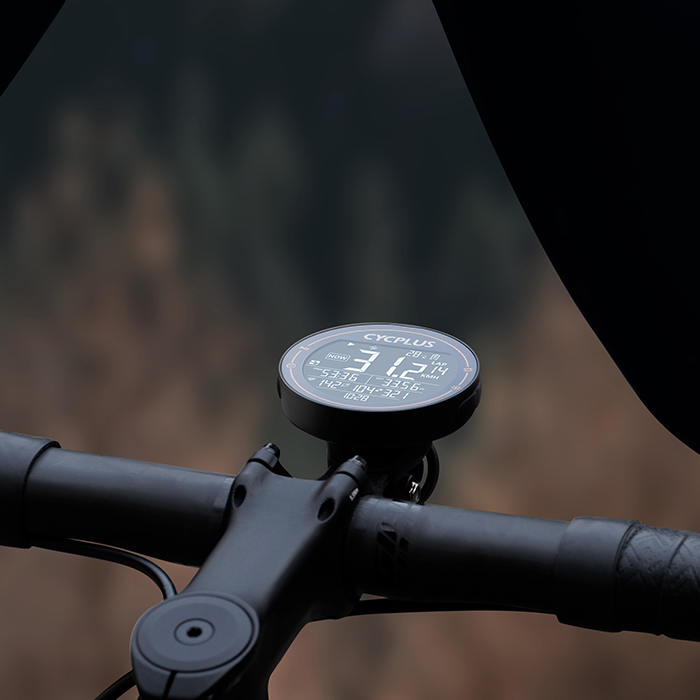
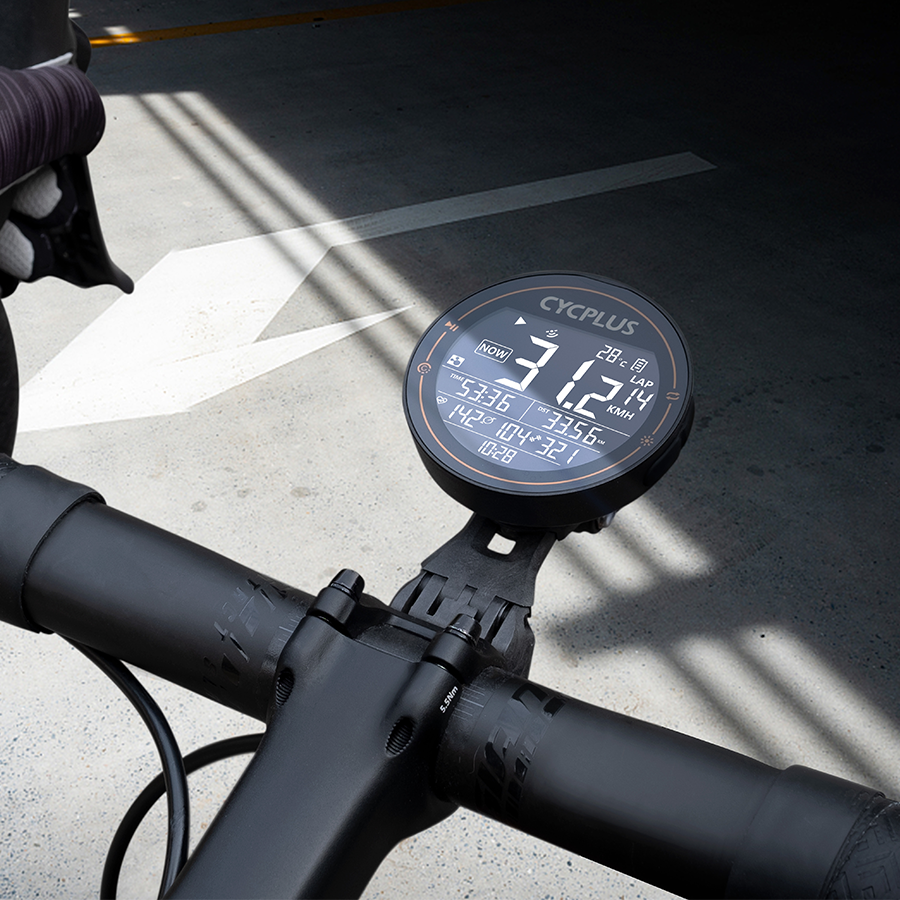
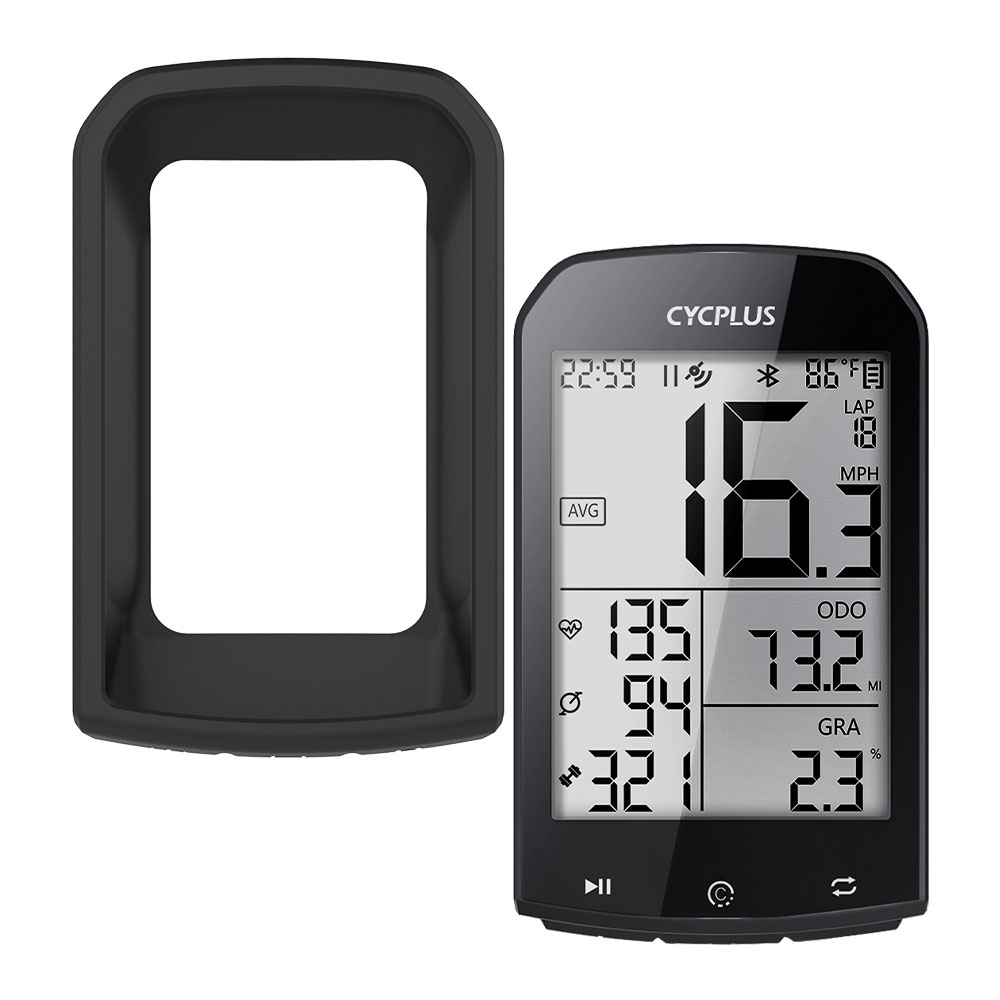
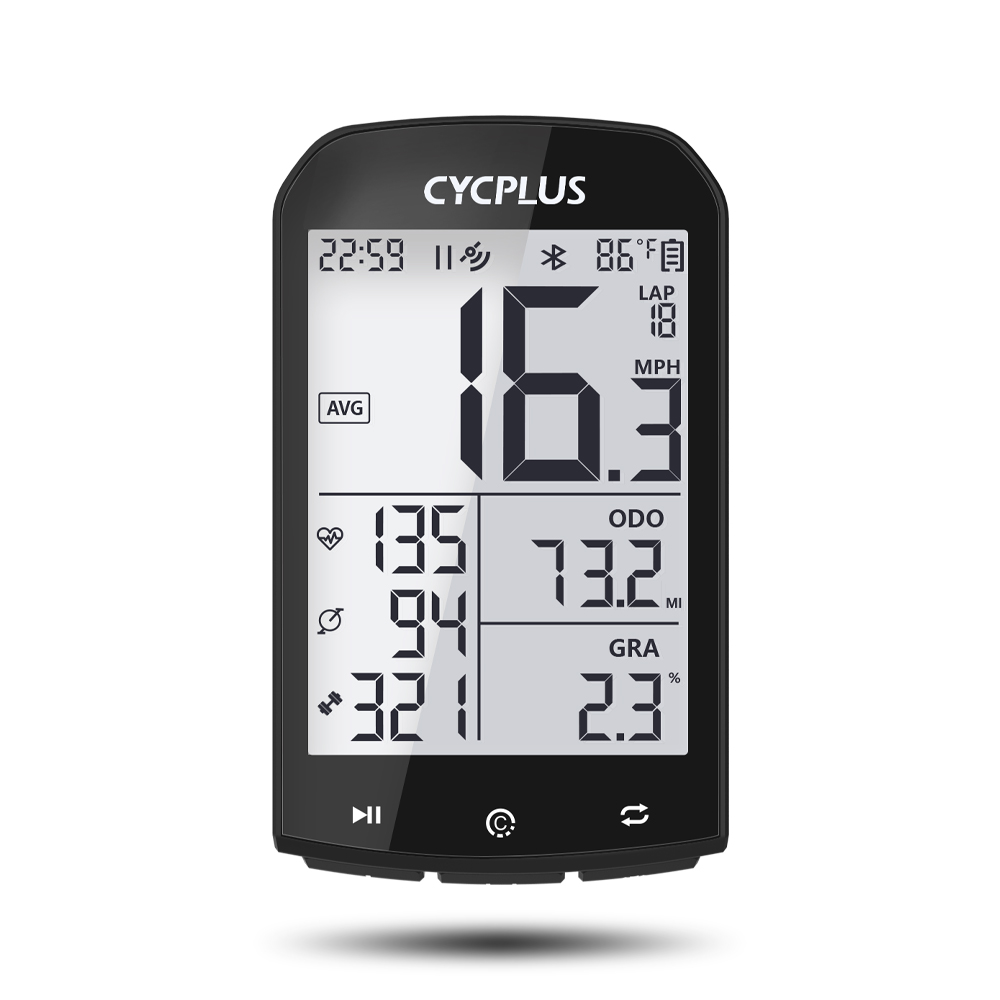
Explore our proprietary lineup of high-precision mini electric pumps, marine SUP inflators, and wireless GPS cycling computers. Engineered with thermal protection barriers, ±1 PSI digital transducers, and pre-set automatic shutoff firmware.
Building a micro-electric pump capable of pushing 120 PSI from a package small enough to fit a jersey pocket demands specialized pneumatic engineering, metallurgical tolerance, and rigorous thermal dissipation.
Unlike budget inflators relying on stamped aluminum or resin compression chambers, our compact bike pumps utilize aviation-grade 6061-T6 aluminum alloys machined to micron tolerances via multi-axis CNC. Coupled with custom neodymium high-torque brushless DC motors, this design ensures rapid compression strokes with minimal friction loss, delivering up to 120 PSI sustained operational pressure.
Micro-pumps demand high continuous discharge rates (10C–15C) without voltage drop. Our internal power architecture integrates dual high-density lithium-polymer battery packs regulated by an automotive-grade Battery Management System (BMS). The BMS prevents overcharge, short-circuiting, thermal runaway, and deep-discharge during extended winter storage.
Adiabatic heating is the principal enemy of micro-compressors. JUNE engineers integrate an isolated internal airflow duct alongside silicone insulated sleeves and automated thermal throttle firmware. Integrated piezo-resistive pressure sensors continuously read internal line pressure, shutting off instantly when the preset pressure (PSI/BAR) is achieved, preserving tire bead integrity.
Wholesale procurement directors and brand managers are restructuring inventory strategies away from single-purpose tools toward integrated smart accessories. Below is an empirical analysis of shifts influencing global distribution contracts.
The overwhelming adoption of tubeless setups across Road, Gravel, and Mountain Bike categories is driving the need for rapid high-volume bursts to seat stubborn beads out in the wild. Future procurement cycles will favor compact pumps featuring dual-stage pressure manifolds: high-volume stroke for initial bead seating, followed by high-pressure micro-calibration up to target PSI.
EU Type-C harmonization mandates unified charging ecosystems. Cyclists expect their pocket pump to recharge via the same USB Power Delivery (PD) protocol as their phone or GPS computer. Furthermore, procurement specifications are demanding bidirectional reverse-charging, allowing the bike pump's high-capacity battery to double as an emergency power bank on ultra-endurance rides.
Importers face increasingly stringent customs scrutiny concerning UN38.3 lithium battery transport declarations, CE Low Voltage Directive, and REACH chemical safety. Leading distributors now partner exclusively with vertically integrated Chinese manufacturers capable of supplying verified CE, RoHS, and REACH documentation directly alongside tailor-made laser etching and retail packaging.
| Evaluation Parameter | Traditional Manual Hand Pump | CO₂ Canister Cartridge | JUNE Smart Compact Electric Pump |
|---|---|---|---|
| Field Inflation Effort | Exhaustive physical pumping (150–300 strokes) | Instantaneous but single-use only | Push-button automated inflation (< 60 seconds) |
| Pressure Precision | Guesswork / analog gauge error (±5–10 PSI) | Uncontrollable sudden release; risks blowouts | Digitally calibrated transducer (±1 PSI accuracy) |
| Repeatability / Capacity | Unlimited (dependent on user stamina) | Single-use (leaves rider stranded if misfired) | Multiple tires per full USB-C charge cycle |
| Tubeless & TPU Compatibility | Difficult to seat tubeless tires manually | Extreme sub-zero gas freezes & ruins TPU tubes | Safe ambient air temperature; fully TPU compatible |
| Target Retail Price Point | $15 – $35 | $20 (kit) + $3–5 recurring per cartridge | $65 – $110 (high margin category for retailers) |
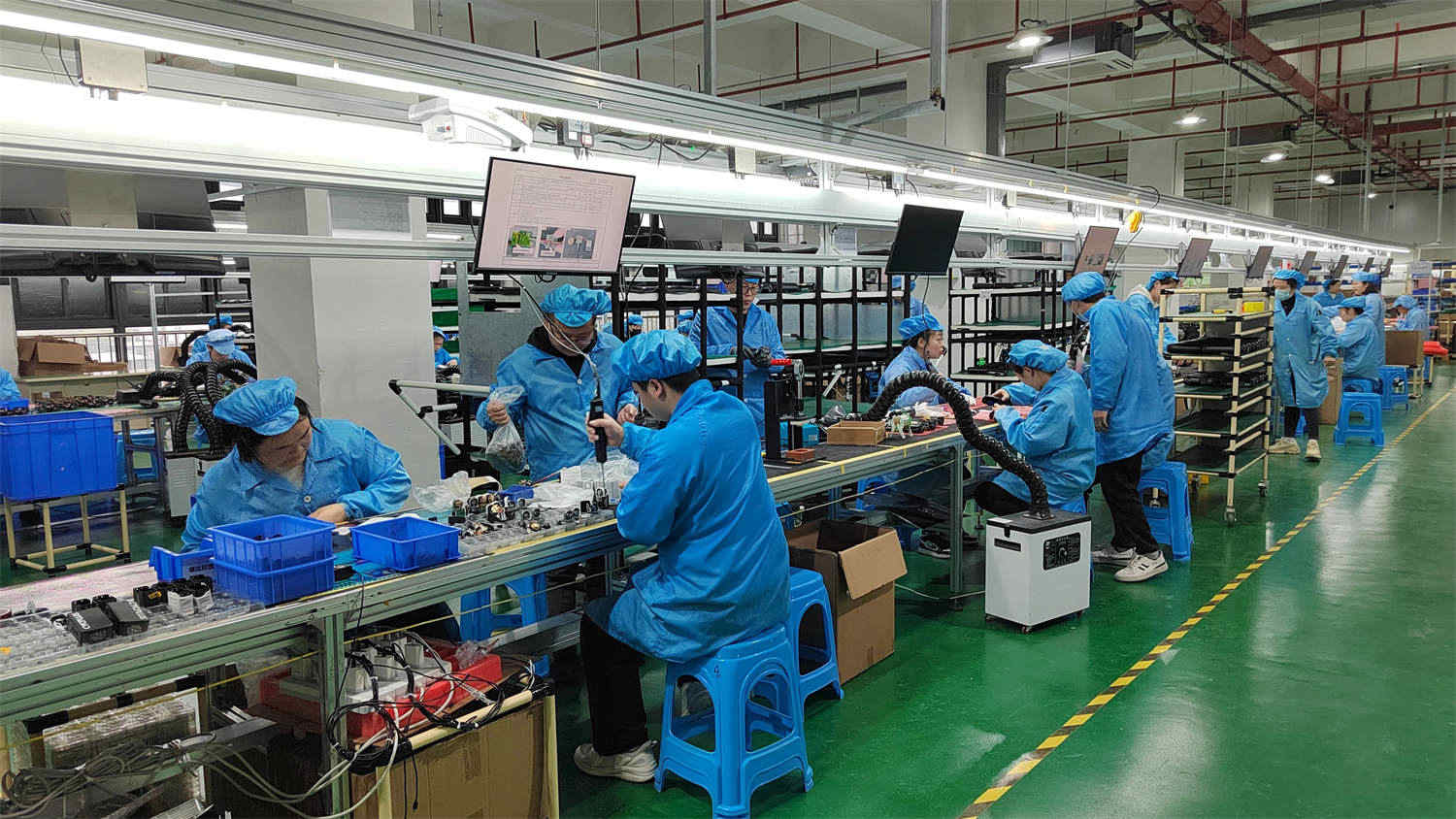
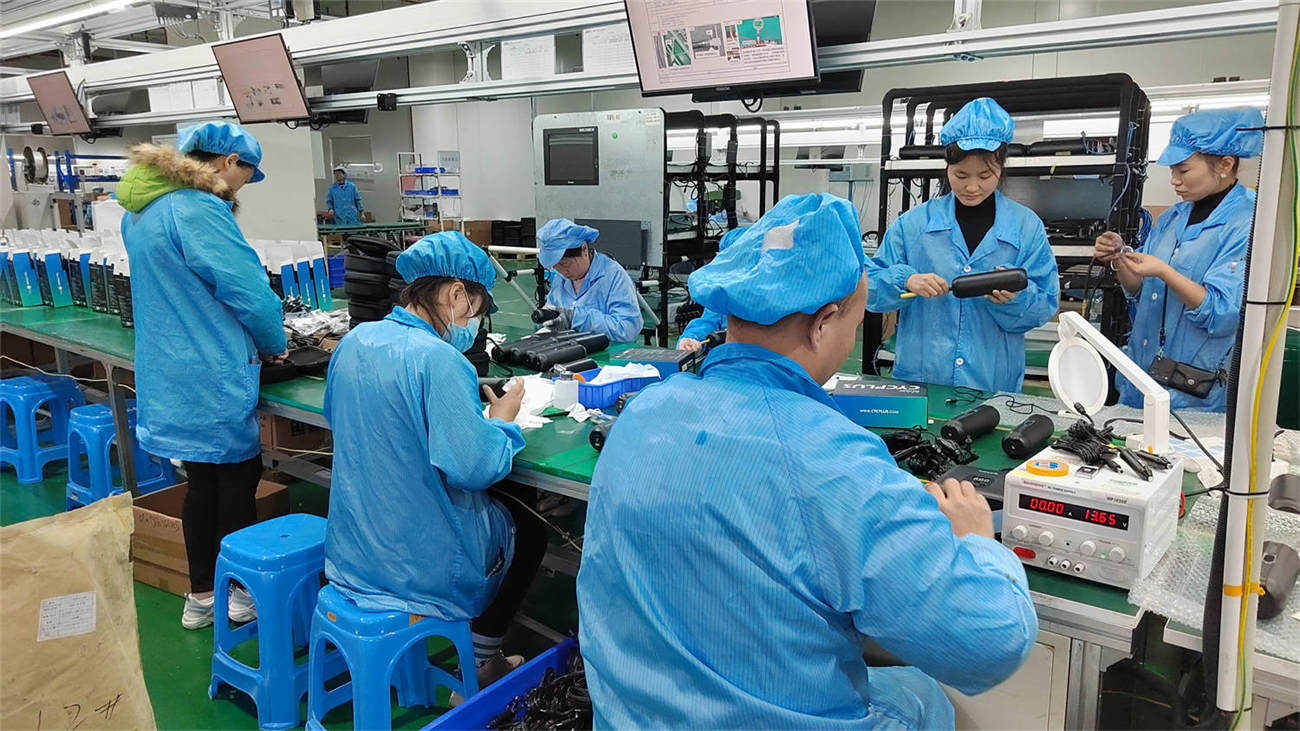
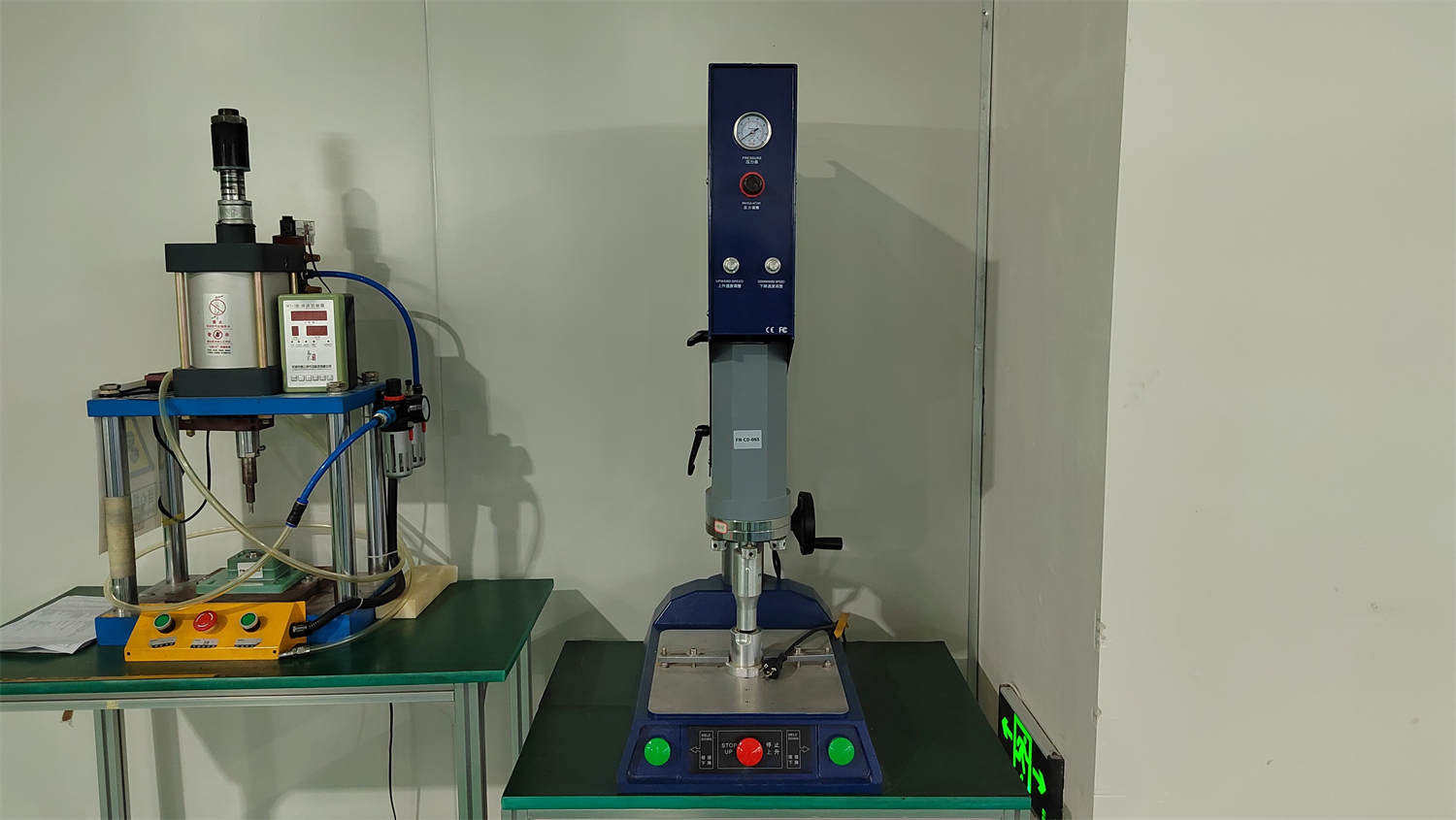
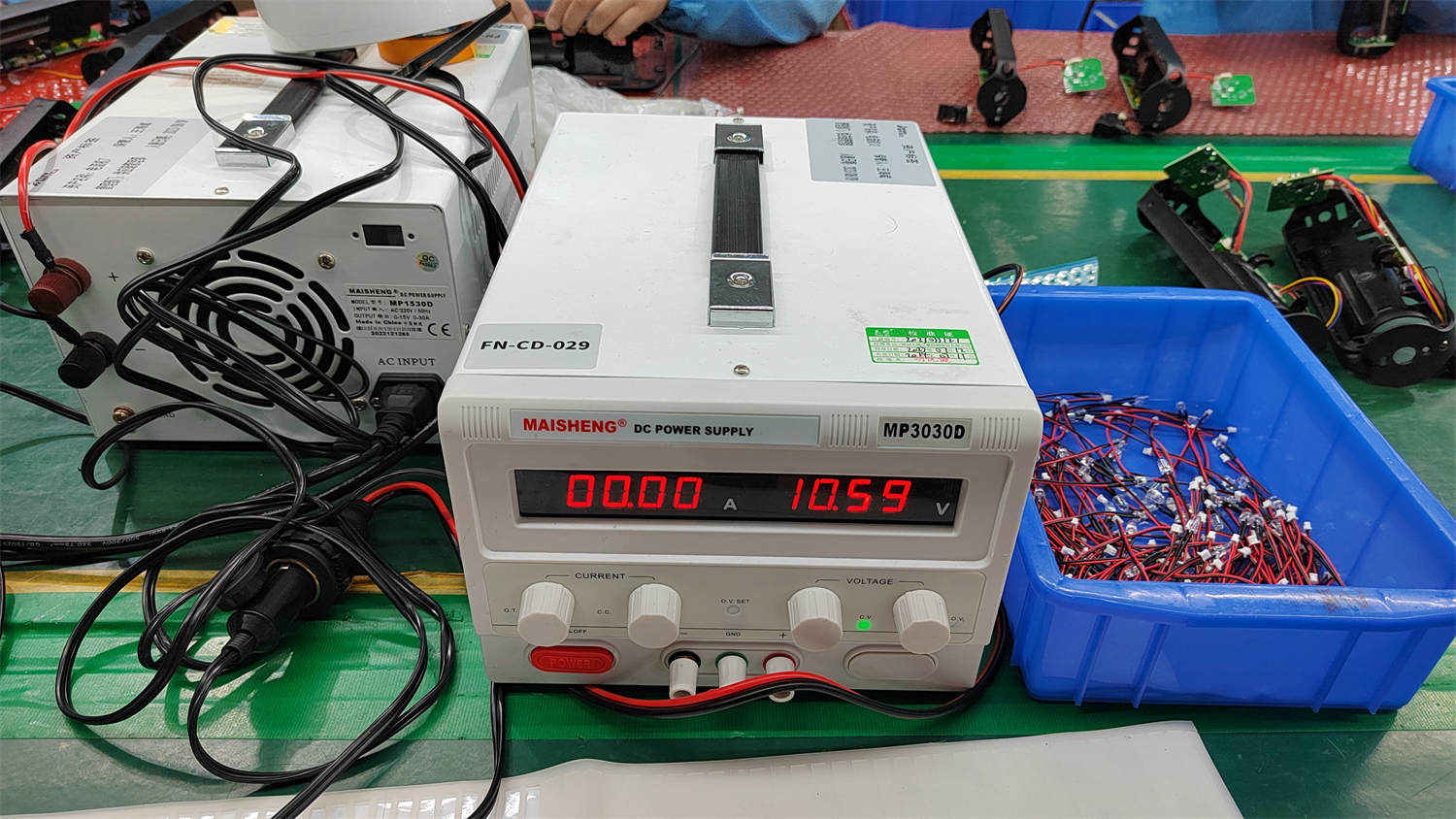
We operate as a genuine Tier-1 original design manufacturer. With hydraulic presses, ultrasonic welders, dedicated testing benches, and DC power testing systems, our facilities ensure zero defects across global export channels.
Supplier credibility is backed by verified physical audits. Our production line, material warehousing, employee payroll, and environmental management systems have been comprehensively audited by SGS Group, giving our partners total peace of mind for multi-container commitments.
We empower emerging brands and specialty bicycle distributors by lowering capital barriers. Standard production runs begin at just 2 units for sample and pre-production validation, ramping up smoothly to tens of thousands of units for private label retail deployment.
Technical nuance shouldn't get lost in translation. Our 35-person international trading desk provides direct commercial and technical communication in English, German, Italian, and Japanese, streamlining spec sheets, packaging compliance, and logistics routing.
Direct, technical answers addressing the critical operational concerns of purchasing agents, product managers, and distributor networks.
For standard factory-ready models, our baseline trial MOQ starts at only 2 pieces. This allows commercial buyers, bike shop chains, and distributors to evaluate our mechanical build quality, battery life, and pressure tolerances before committing to volume shipments. For custom OEM orders (including bespoke silk-screen or laser logos, branded packaging, custom color anodization, and translated manuals), the MOQ is typically 500 to 1,000 units depending on the engineering complexity.
Yes. All our smart bike inflator units feature dual-valve adapters compatible with both Schrader (American standard) and Presta (French road standard) valves straight out of the box. The threaded nozzle design guarantees zero air leakage even at pressures up to 120 PSI. Optional needle adaptors and high-pressure flex hoses for specialized disc wheels or tight spoke spacing are also available for bulk bundling.
Our flagship compact pump models carry comprehensive CE-EMC, CE-LVD, RoHS, and REACH documentation. For air and sea freight logistics, we supply full UN38.3 test reports, MSDS (Material Safety Data Sheets), and drop-test transport packaging certificates to ensure frictionless customs clearance across Europe, North America, Japan, and Australasia.
Every unit goes through a standardized multi-stage QC protocol. Incoming raw aluminum cylinders undergo dimensional laser testing. During assembly, components pass through calibrated pneumatic presses and ultrasonic welding lines. Every single pump is hooked to a computerized DC testing rig where digital transducers are calibrated against master pressure gauges to achieve ±1 PSI precision. Units undergo a mandatory continuous run test to verify automated thermal shutoff before being routed to automatic packaging machines.
The difference is defined by displacement volume versus operating pressure. Compact bike pumps are high-pressure, low-volume (HPLV) devices engineered to push air into tight tire volumes up to 120 PSI. In contrast, SUP (Stand-Up Paddleboard) pumps are high-volume, low-pressure (HVLP) compressors delivering high airflow (often dual-stage turbine to piston) up to 15–20 PSI. Attempting to use a bike pump on a paddleboard would take hours, while using a SUP pump on a road bike will fail to deliver the pressure needed. We manufacture purpose-built architectures for both categories.
Sample orders and pre-production evaluation units ship within 3 to 7 business days. For volume OEM production runs (5,000 to 20,000 units), standard factory turnaround ranges from 25 to 35 calendar days from artwork confirmation and deposit receipt. Our established component supply chains ensure stable lead times even during seasonal peaks.
Connect directly with our engineering and trade teams. Receive complete spec sheets, factory pricing tiers, and OEM feasibility assessments for custom compact bike pumps within 24 hours.
