Direct OEM / ODM Portfolio
Featured Smart Inflation & Digital Cycling Lineup
Engineered in our 3,780 m² facility with hydraulic calibration benches, ultrasonic housings, and real-time electronic pressure-sensing modules. Evaluated, certified, and ready for global volume distribution.
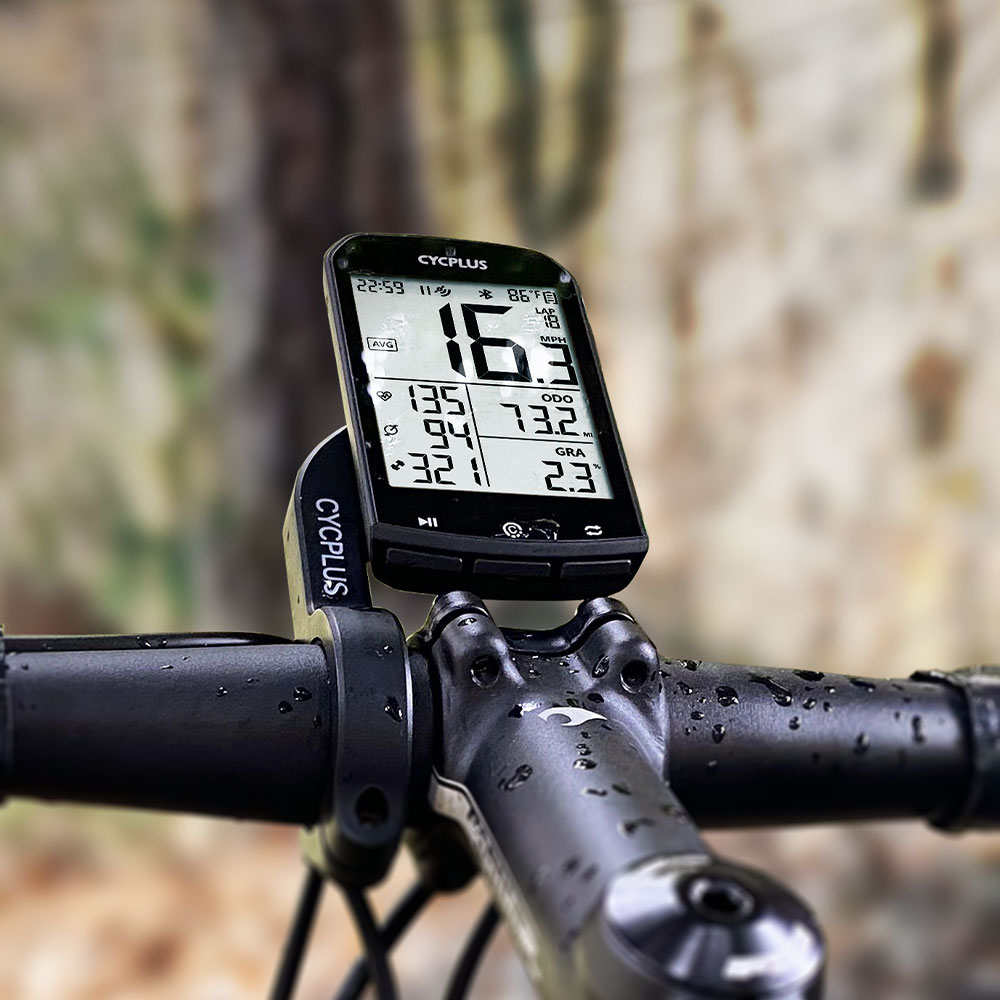
Real Time Cycling GPS Tracking Device Bike Bicycle Computer
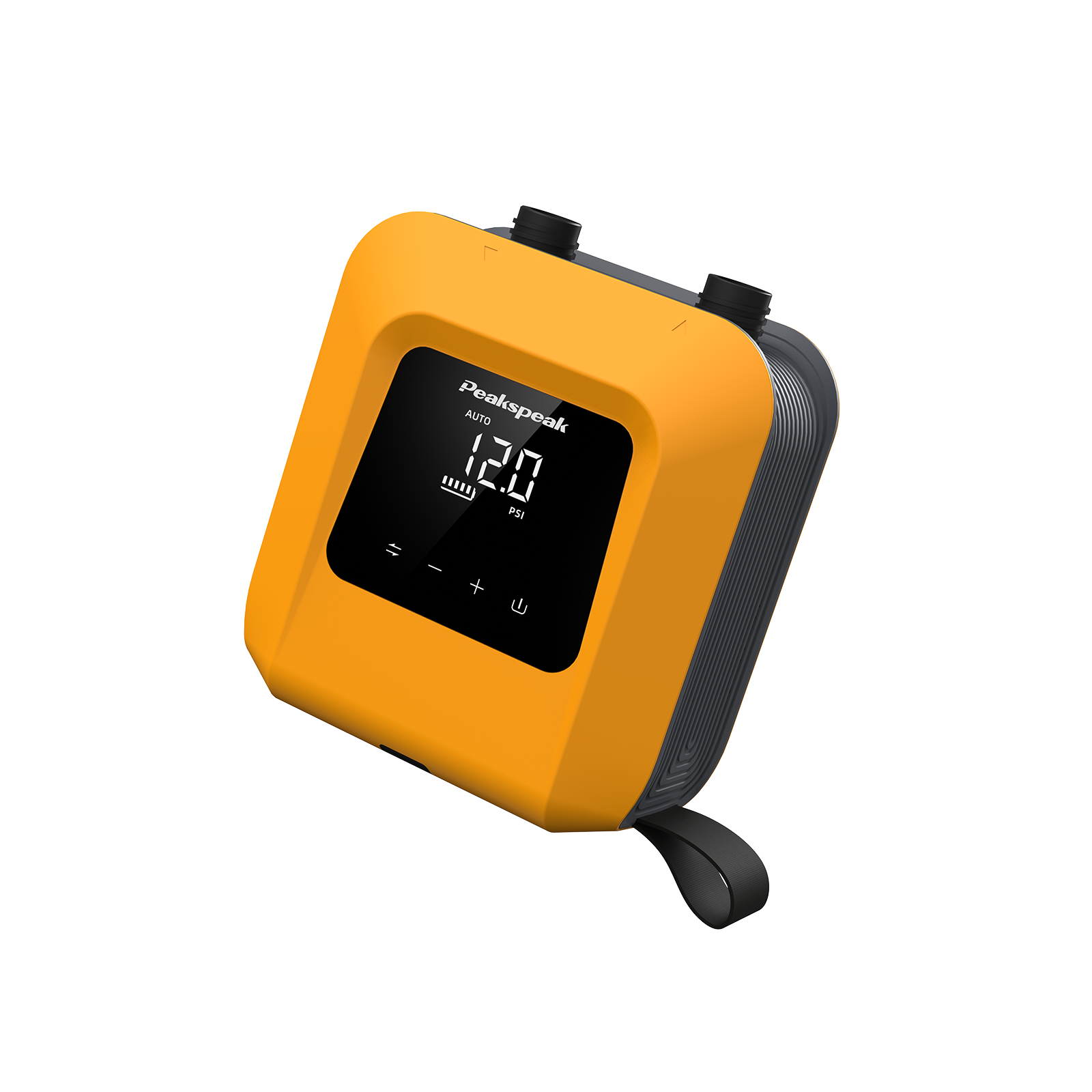
Wireless Sup Board Electric Mini Air Compressor Pump Battery Powered Sup Inflator
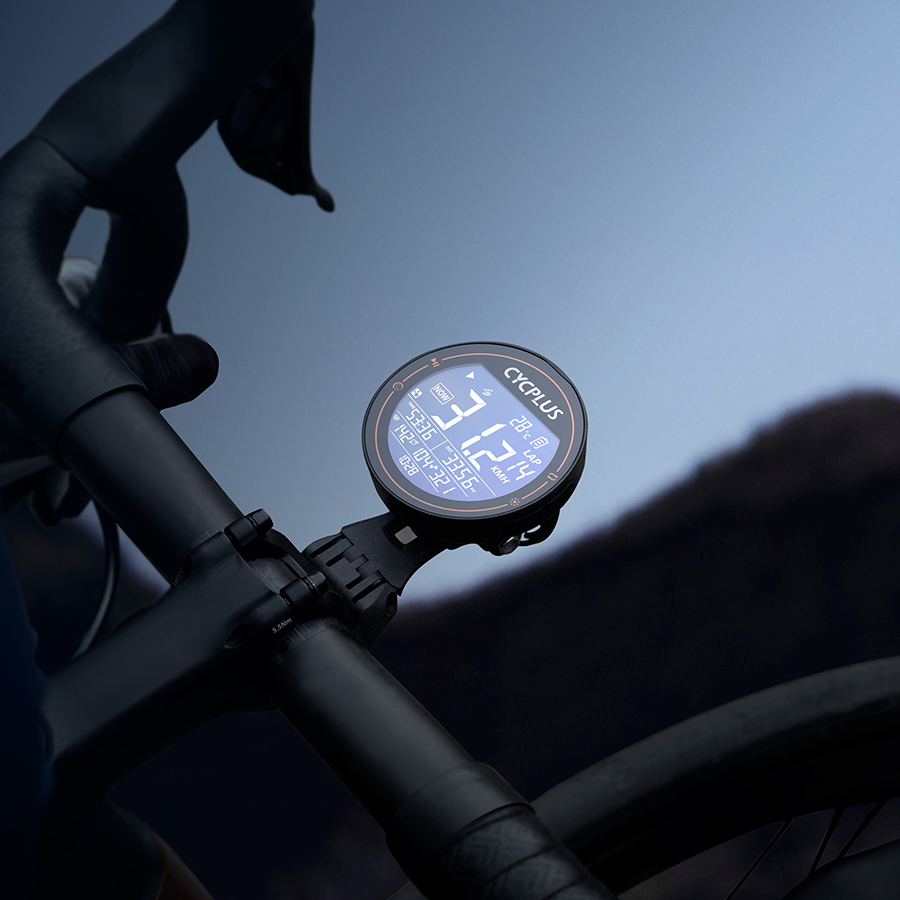
Bicycle Odometer Computer Gps Cycle Speedometer Wireless Odometer Bike
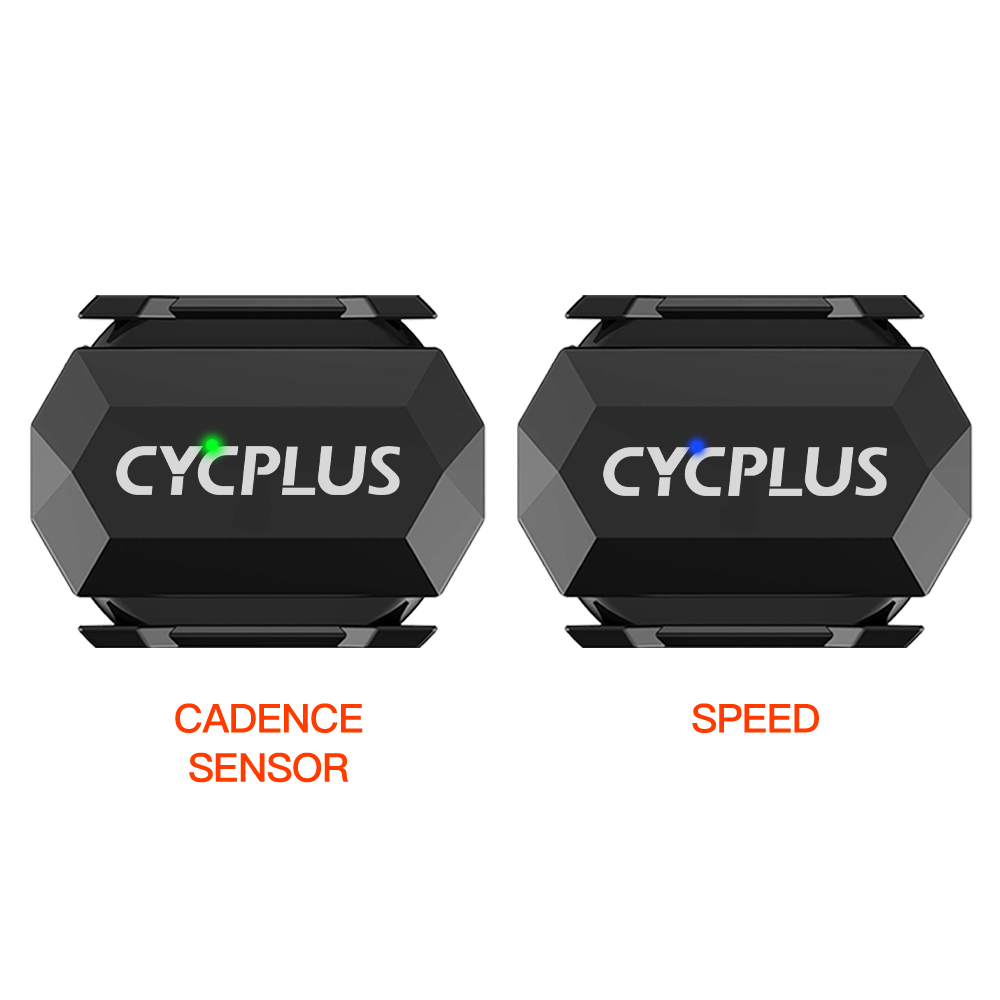
CYCPLUS C3 Speed Sensor Bicycle Ble Cycle Wireless Sensor Bike Ble Cadence Sensor
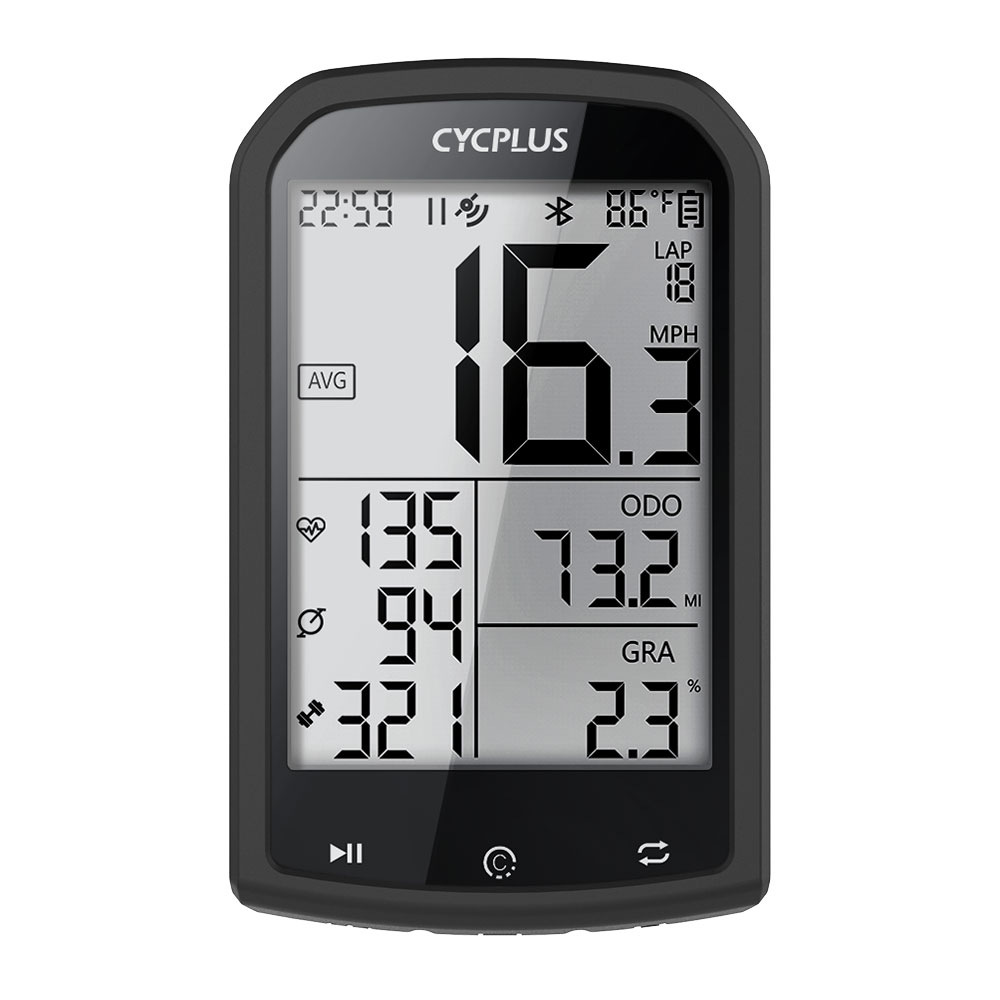
Wireless Gps Speed Meter Cycle Computer Bike Bicycle Computer GPS
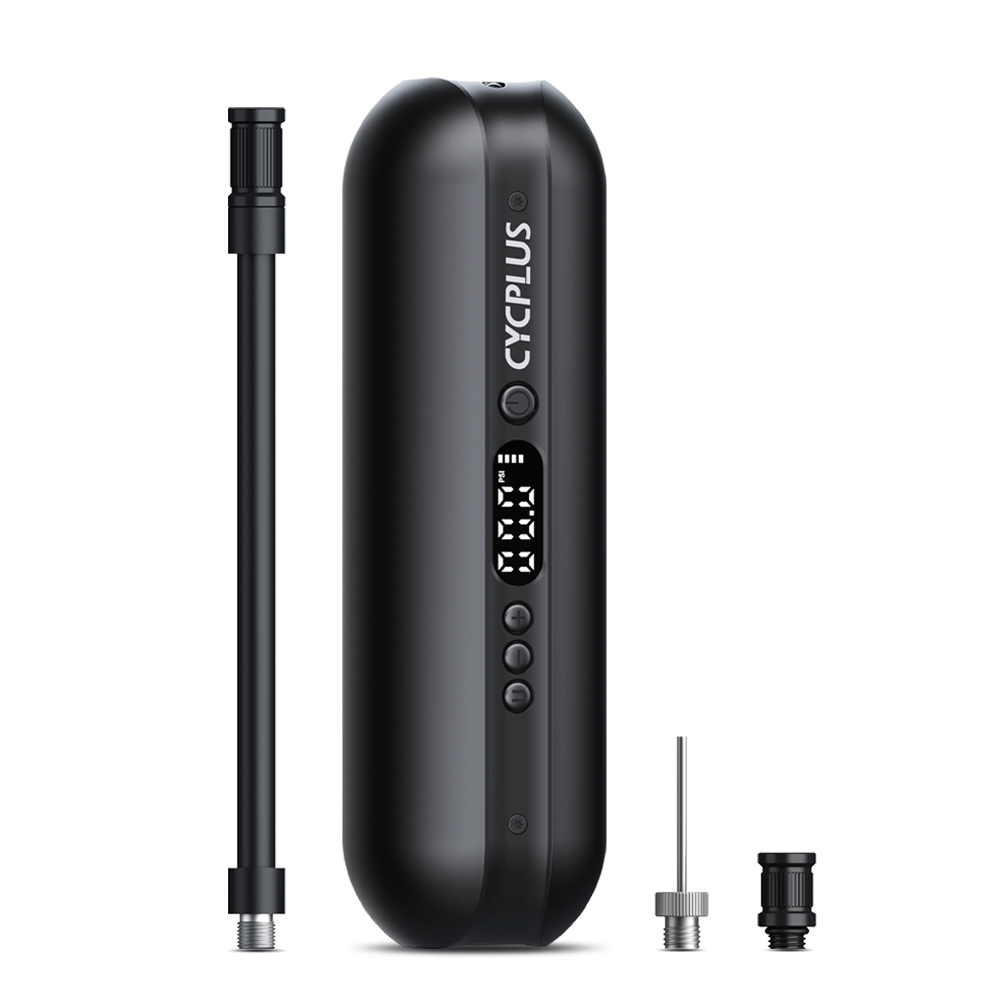
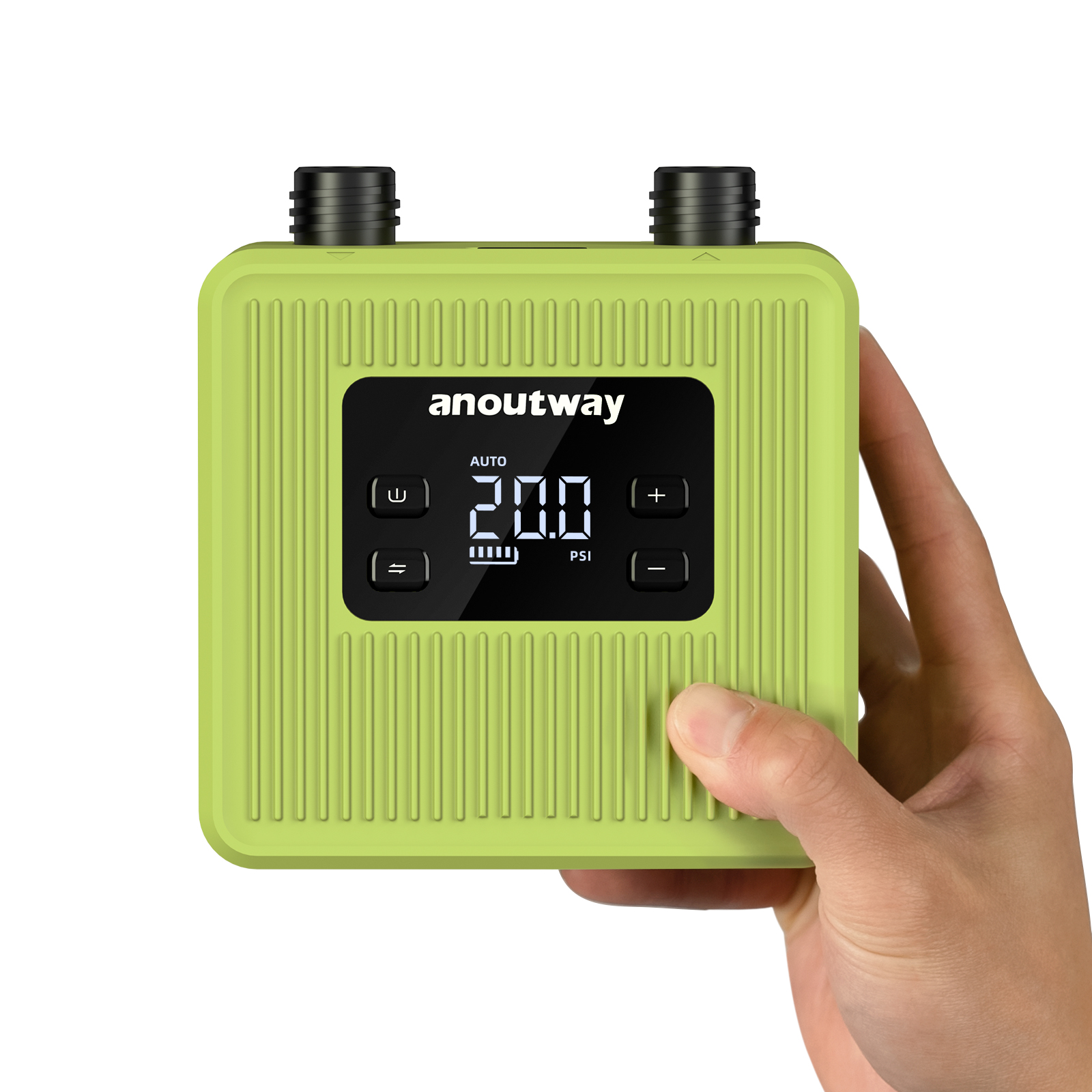
CYCPLUS Cordless Portable Electric Tire Inflator 150PSI Digital Air Pump Air Compressor for Car Motorcycle Bicycle
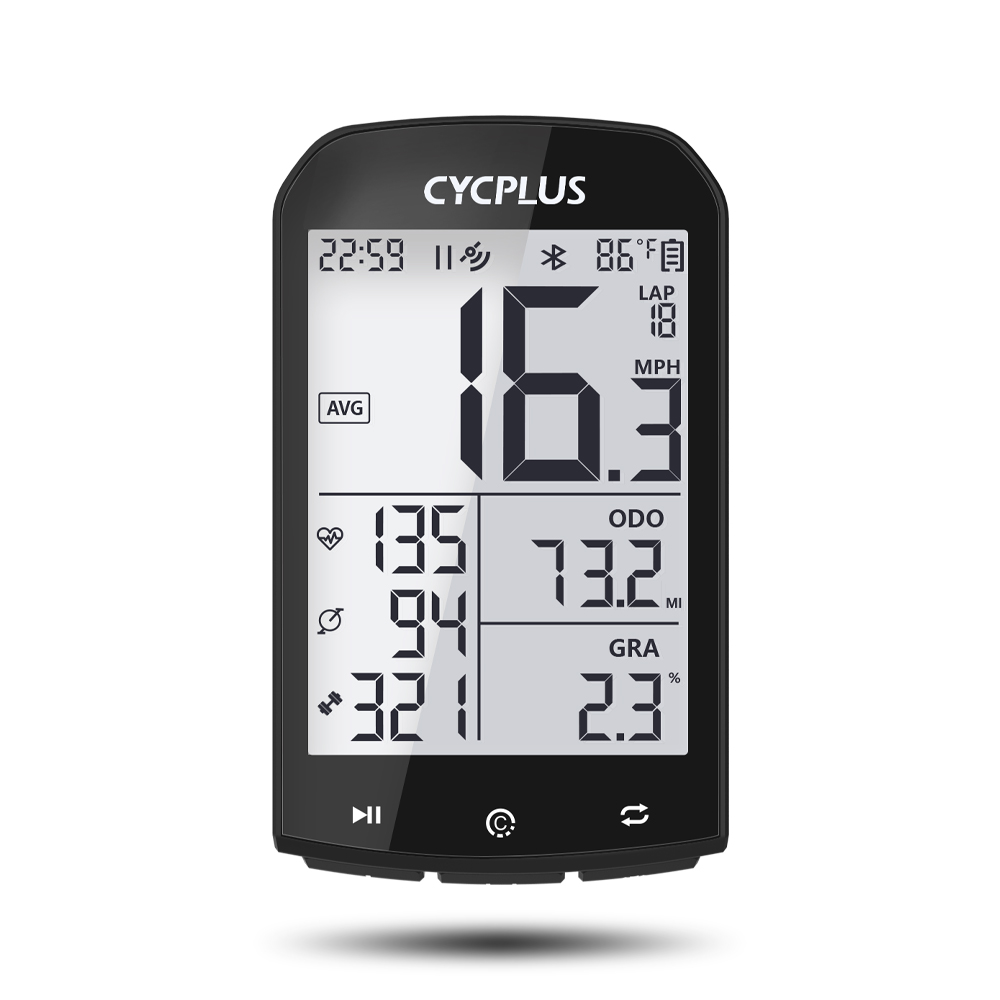
CYCPLUS Cycling Bicycle GPS Positioning Smart Bicycle Computer
Procurement Intelligence
B2B Product Recommendations: Maximizing Portfolio Margin
Drawing from our experience serving distributors across 40+ nations, here is how category managers structure their SKUs to minimize warranty returns and achieve rapid retail velocity.
Micro-Pneumatic Pocket Inflators (Tiny E-Pump)
Target Audience: High-performance road cyclists, gravel adventure riders, and urban e-bike commuters.
Why Procure: Traditional hand pumps and single-use CO2 cartridges are fast becoming obsolete among modern cyclists. Compact inflators offering up to 120 PSI preset cutoffs eliminate roadside guesswork and burst inner tubes. Carrying CE and REACH listings, they represent the single highest margin-per-gram accessory in specialty bike retail today.
Dual-Stage Smart SUP & Marine Inflators
Target Audience: Watersports outfitters, rental operations, paddle-board manufacturers, and outdoor retailers.
Why Procure: Inflating an iSUP to 15–20 PSI manually is the primary consumer pain point leading to product abandonment. Our dual-stage pumps run a high-volume low-pressure turbine phase followed by an automatic shift into an internal piston compressor. The dual inflate/deflate configuration yields a durable product line with rapid inventory turnover.
Multi-Constellation GNSS Telemetry & Sensors
Target Audience: Competitive cyclists, gravel endurance riders, and smart fleet leasing operators.
Why Procure: Smartphone battery drain and screen overheating make standalone GPS computers indispensable. Pairing BLE/ANT+ dual protocol cadence/speed sensors with high-contrast anti-glare display terminals gives bike dealers an essential point-of-sale upsell bundle with less than 0.3% return rates under rigorous testing.
Market Roadmap
Future Procurement & Technological Trends in Cycling Electronics
The next 36 months will reshape cycling accessories through deeper system integrations, battery density leaps, and stringent carbon-audit requirements.
1. Solid-State Battery & PD Type-C Standard Convergence
Procurement departments are eliminating proprietary charging dongles. Future-ready accessory contracts require universal USB Power Delivery (PD) protocols across all electronic pumps and GPS head units. Concurrently, transitions toward high-discharge lithium chemistry and advanced battery management system (BMS) logic guarantee uncompromised cold-weather operation at -10°C.
2. E-Bike Ecosystem Direct Integration & Telemetry
As e-bikes and cargo haulers represent over 40% of European bike sales, accessory manufacturers must adapt. Smart pumps, onboard displays, and lighting are migrating from standalone peripheral batteries toward step-down DC converters pulling power straight from e-bike central powertrains, managed via unified CAN bus or Bluetooth LE 5.3 telemetry bridges.
3. Supply Chain Traceability, CBAM & Eco-Design Mandates
Global sourcing teams now face mandatory ESG criteria, including the EU Carbon Border Adjustment Mechanism (CBAM) and Extended Producer Responsibility (EPR) regulations. Forward-thinking suppliers prioritize post-consumer recycled (PCR) housing plastics, modular screw assemblies that permit easy battery recycling, and unbleached FSC packaging.
Factory Ground Truth
Audited Infrastructure: Precision from Raw Alloy to Packaged Unit
Claims of quality require verified floor infrastructure. Based in Chengdu, Sichuan, JUNE Intelligent Technology operates integrated production and testing loops evaluated on-site by SGS Group.
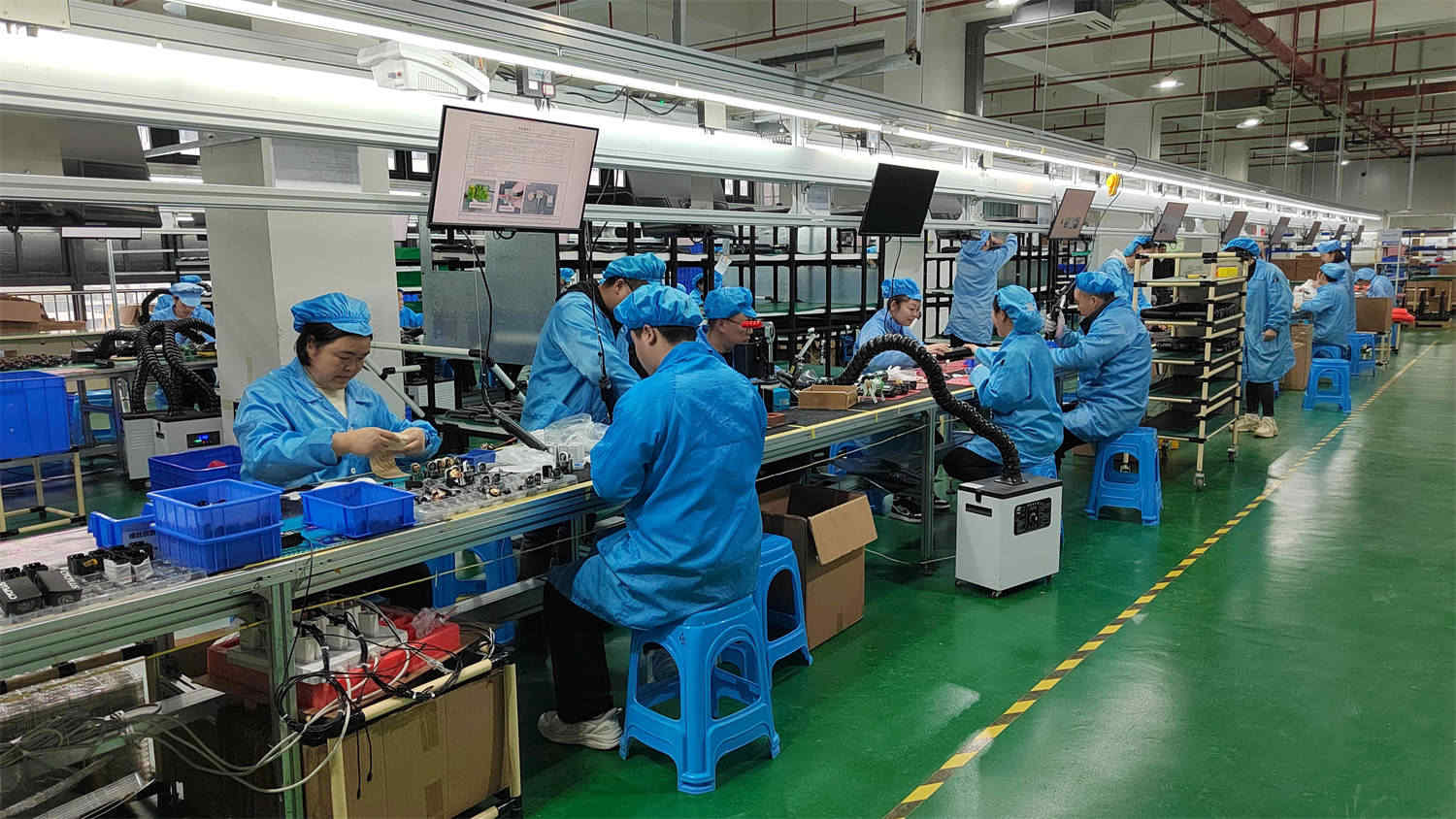
Dedicated Assembly Flow
Multi-stage assembly utilizing pneumatic presses and automated ESD-safe workstations for electronic reliability.
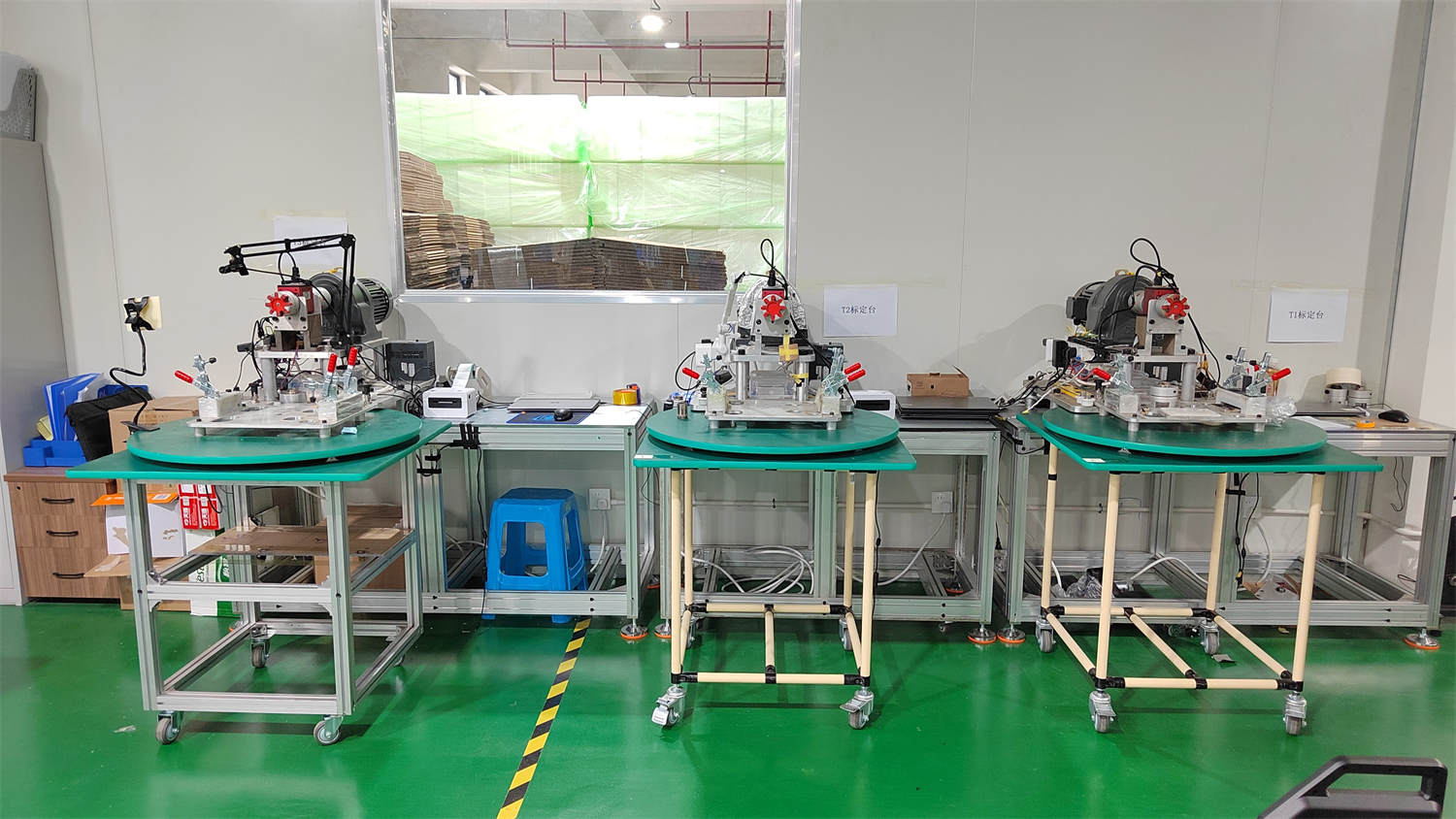
Dynamic Calibrator Systems
Custom-built dynamometer and trainer calibration equipment verifying precise resistance consistency.
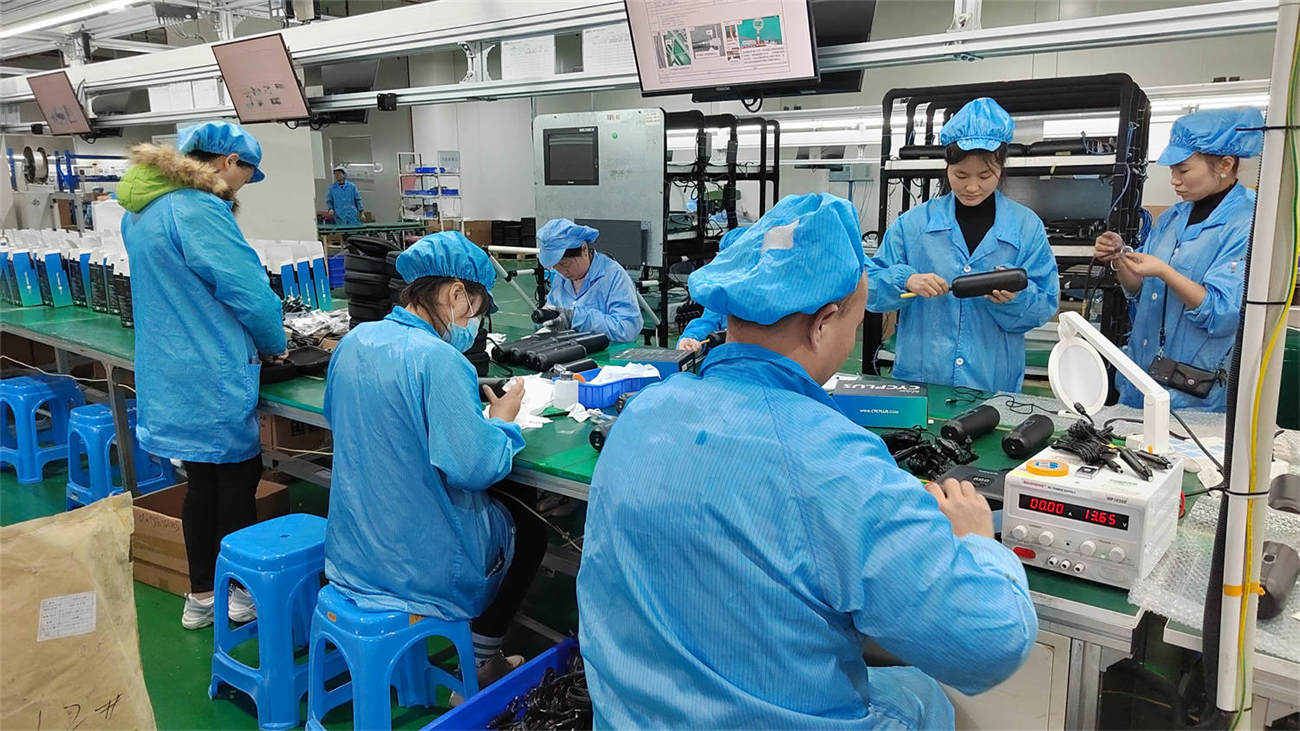
Pressure Endurance Testing
Continuous cycle load chambers running 150 PSI stress checks to ensure sensor cutoff accuracy under heat load.
Phase 01
Engineering & Tooling
In-house CAD/CAM design, rapid structural SLA prototyping, and dedicated mold cavity manufacturing.
Phase 02
IQC Material Control
Every motor, sensor PCB, and battery cell batch undergoes spectroscopic and voltage-drop verification.
Phase 03
Ultrasonic Sealing
High-frequency acoustic welding ensures IPX5/IPX6 waterproof seals without hazardous adhesive volatility.
Phase 04
Export Packaging & OQC
Automated retail carton boxing, UN38.3 lithium air/sea battery compliance, and SGS pre-shipment clearance.
Why Partner With JUNE
Built to Lower Total Cost of Ownership (TCO) for Importers
We resolve the communication gaps, quality drift, and regulatory delays that plague consumer electronics procurement.
Agile MoQ Starting from 2 Units
Evaluate market traction without locking up working capital in heavy container inventory. Our catalog models allow sample qualification and initial retail trial batches from 2 pieces before scaling into full OEM production.
SGS On-Site Audited Compliance
Our 3,780 m² production floor, testing facilities, and employee rosters have been inspected in person by SGS Group. Certified CE, REACH, and UN38.3 test records are maintained on file for immediate customs entry.
Multilingual Technical Trade Desk
Our dedicated 35-person international sales division conducts direct engineering and commercial communications in English, German, Italian, and Japanese, eliminating misunderstandings on technical tolerances.
Informed Procurement
Frequently Asked Sourcing & Technical Questions
Clear answers to technical specifications, minimum orders, customs compliance, and warranty support.
What is the standard Minimum Order Quantity (MOQ) for custom OEM projects?
For off-the-shelf catalog models (such as our CYCPLUS inflators and sensors), MOQ starts from just 2 units for evaluation. For basic OEM personalization (custom laser-etched logo, branded UI splash screen, and retail box graphics), MOQ is typically 500–1,000 units. Bespoke tooling projects with custom injection molds are planned according to project scope.
How do you address lithium battery air/sea freight customs compliance?
All our battery-powered products undergo formal UN38.3 drop, altitude, and thermal shock testing, accompanied by certified Material Safety Data Sheets (MSDS) and dangerous goods sea/air transport condition declarations. We regularly route shipments safely via FOB Shenzhen/Shanghai or door-to-door DDP air freight with battery declarations pre-approved.
What is the technical difference between an electric bike pump and a SUP pump?
The difference lies in high-pressure micro-volume versus high-volume low-pressure (HVLP) pneumatic architecture. Bike tires operate at high pressures (up to 120–150 PSI) requiring micro-pistons and tight tolerances. Stand-up paddle boards require vast volumes (200–300 liters) up to 20 PSI, which necessitates a dual-stage turbine motor coupled with a piston compressor.
How are quality drift and motor thermal degradation controlled during production?
Every pump sub-assembly passes three testing stations: IQC material checks, semi-finished dynamic resistance monitoring on DC power supplies, and finished automated pressure cutoff calibration. Enclosures are molded using flame-retardant PC/ABS plastics engineered with internal convection heatsinks to prevent performance loss during repetitive inflation cycles.
Scale Your Cycling Brand with a Proven Manufacturing Partner
Direct factory pricing, SGS-verified quality management, and end-to-end OEM engineering. Contact our multilingual trade specialists today to obtain customized wholesale pricing, test reports, and sample units.
Inquire Now