IP67 Waterproof
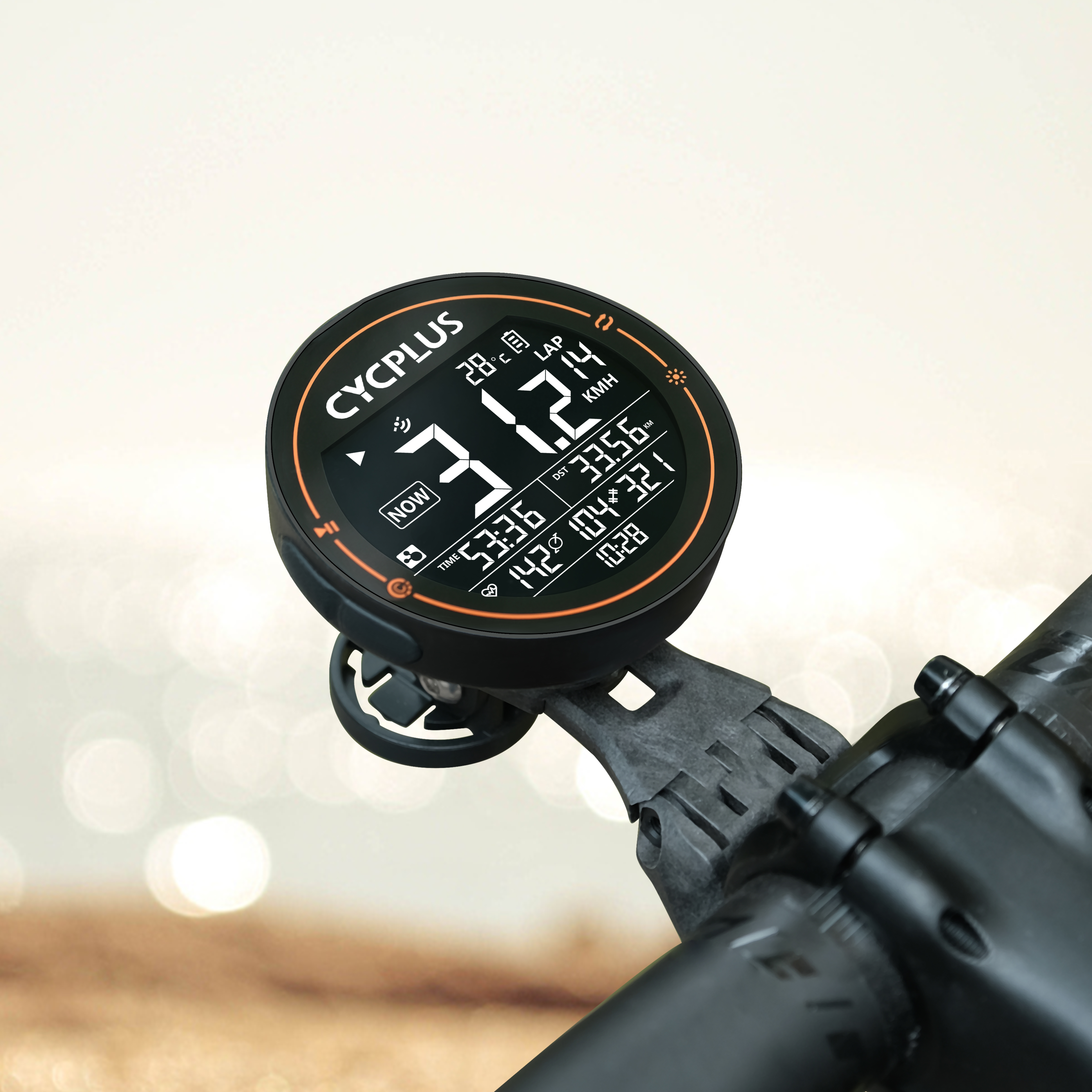
Explore high-precision micromotors, high-pressure cordless cylinders, and intelligent display computers designed for cycling gear manufacturers, auto accessories brands, and sports distributors.
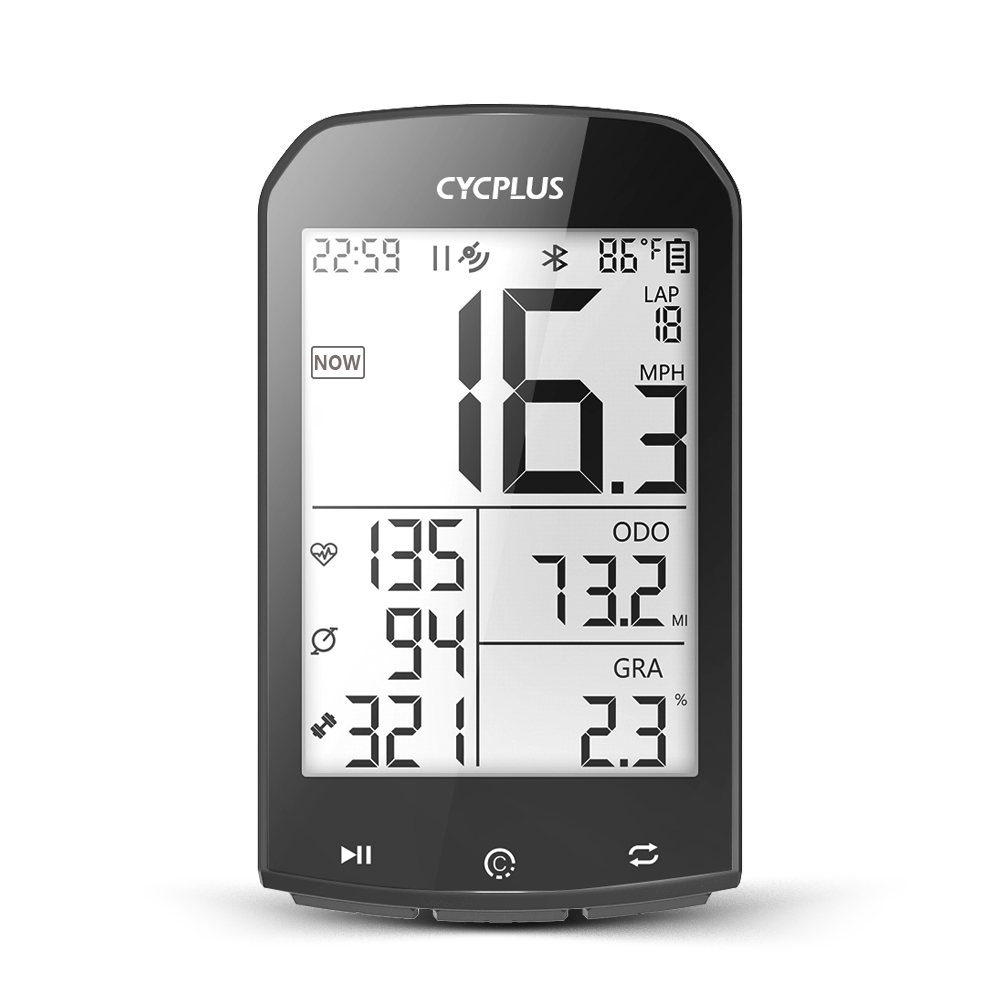
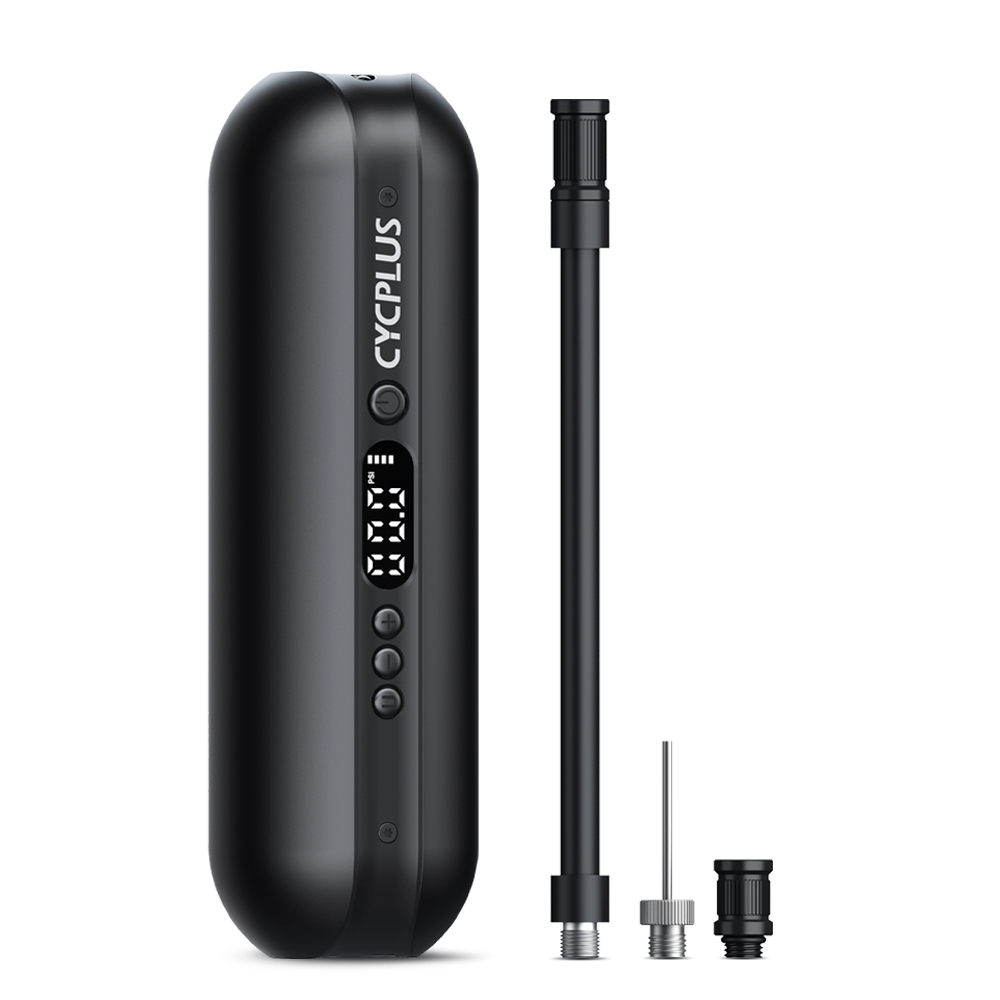
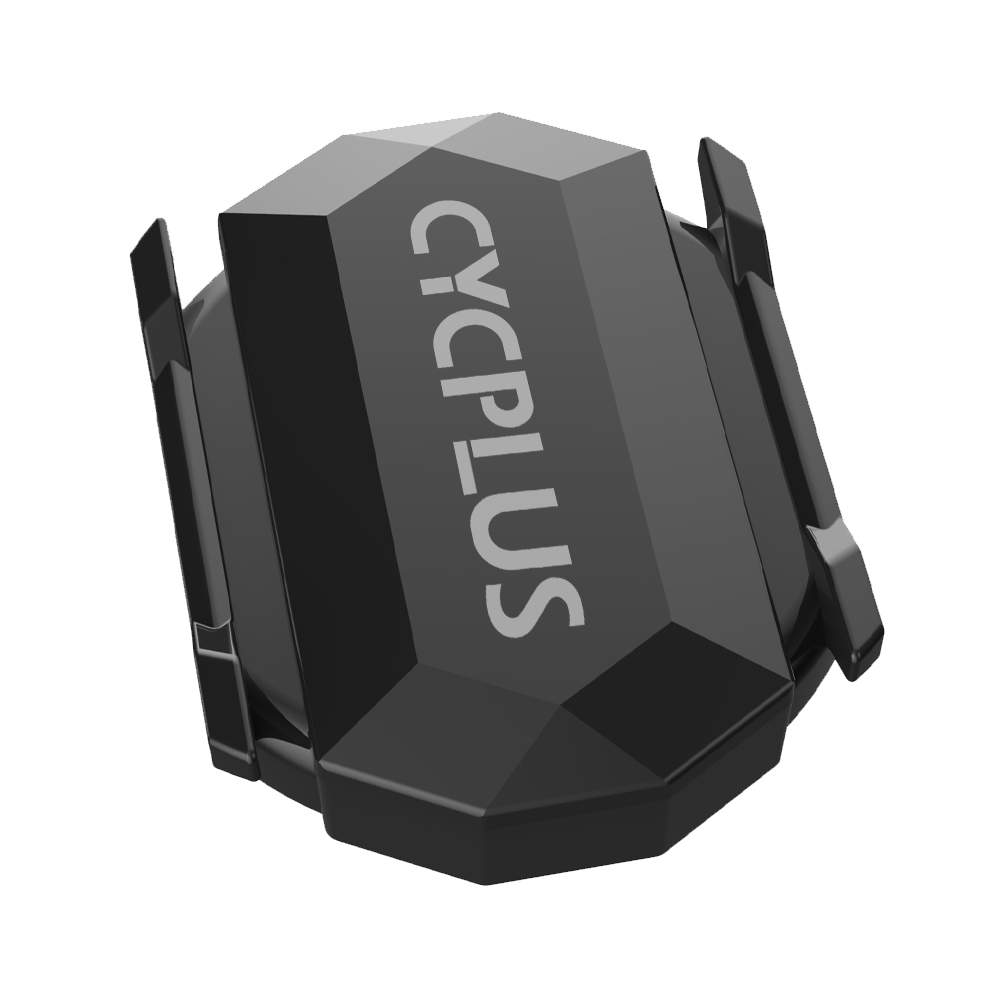
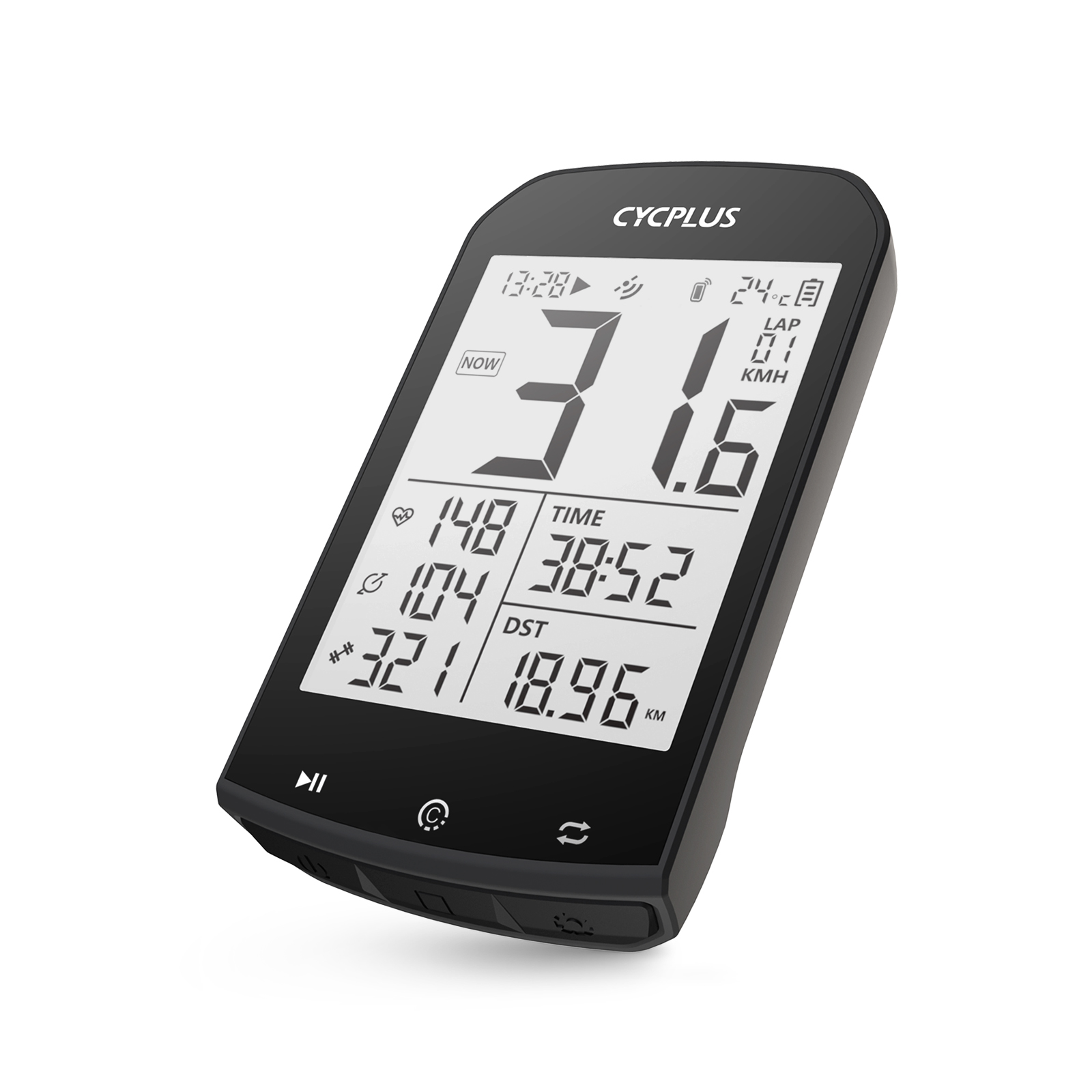
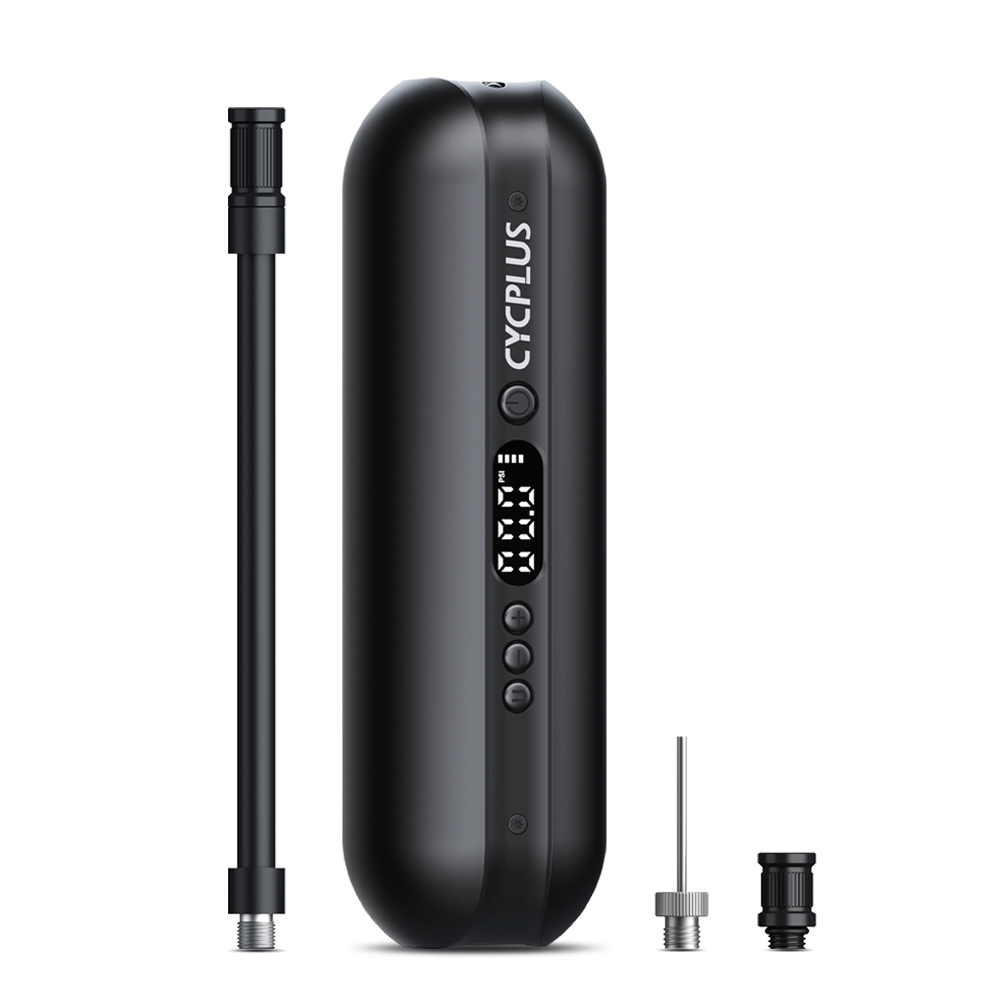
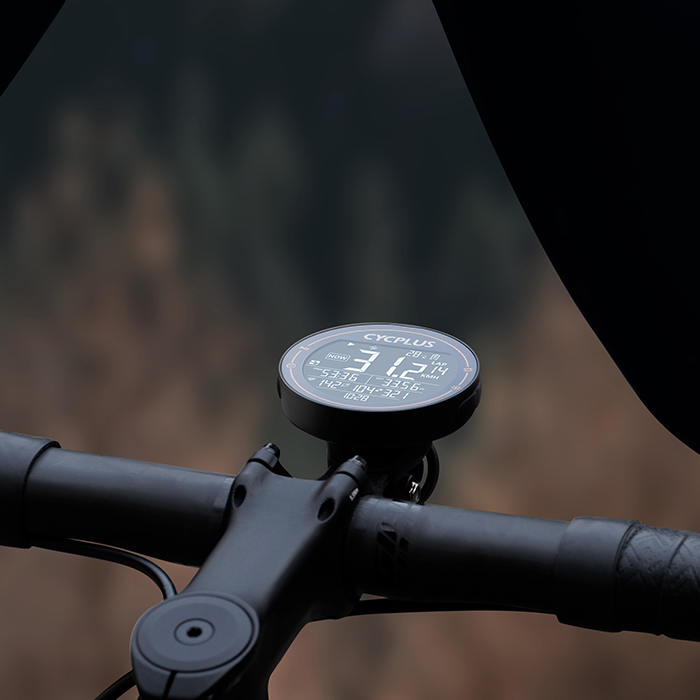
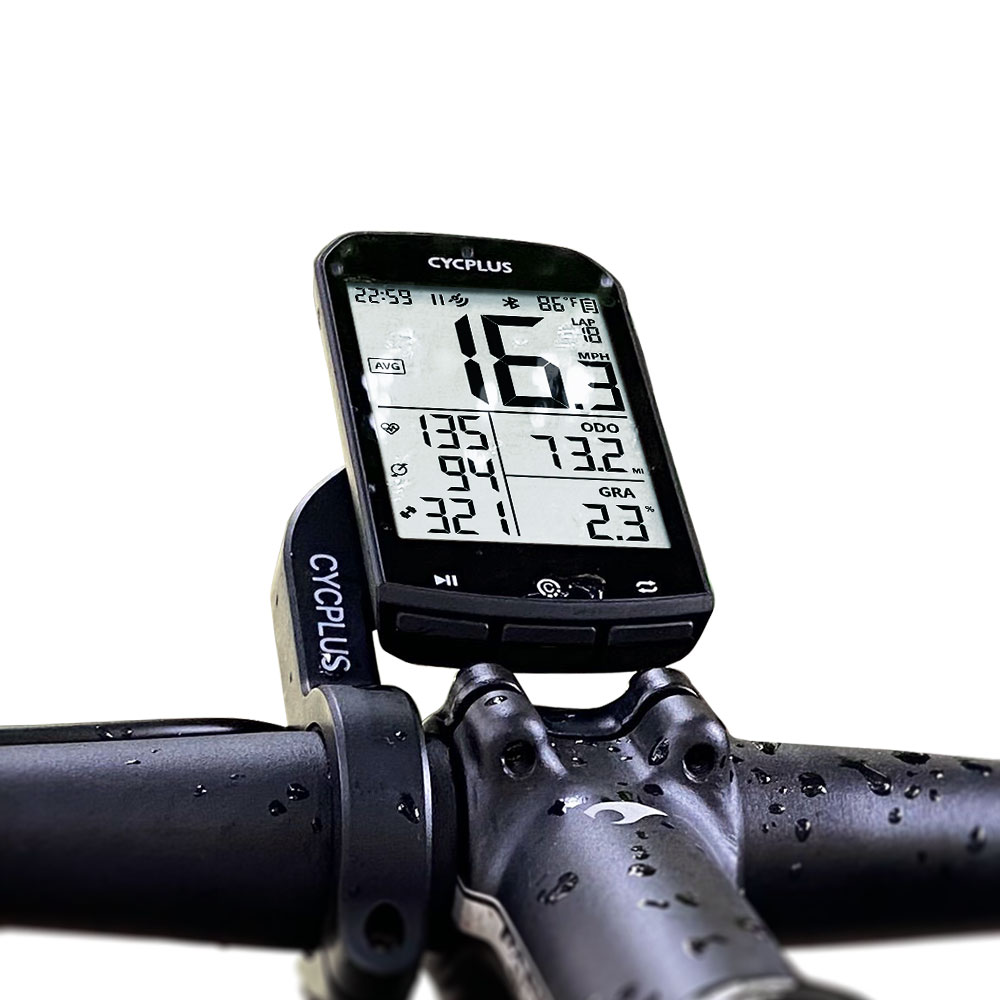
A technical teardown of brushless DC micromotors, battery thermal containment, digital pressure feedback loops, and how global procurement teams evaluate tiered suppliers.
Historically, traditional handheld inflators relied on 390-series brushed motors paired with cast zinc alloy gearboxes. These architectures faced steep thermal derating curves, losing over 35% volumetric efficiency after 3 continuous minutes of operation due to brush heat buildup and piston ring deformation. As a pioneer among wireless tire inflator suppliers, JUNE Intelligent Technology re-engineered the micro-compression chamber using CNC-machined aerospace-grade aluminum barrels and high-temperature Viton piston seals.
By transitioning to high-efficiency Brushless Direct Current (BLDC) motors driven by custom pulse-width modulation (PWM) algorithmic controllers, current generation cordless inflators achieve compression outputs exceeding 150 PSI (10.3 BAR) with a 42% reduction in parasitic heat generation. The elimination of carbon brushes significantly mitigates electromagnetic interference (EMI), ensuring stable communication with adjacent Bluetooth Low Energy (BLE 5.2) and ANT+ cycling sensors during mobile field repairs.
Look for volumetric output rates measured under continuous head pressure. Top-tier wireless inflators must sustain ≥ 18–22 Liters/Minute at 35 PSI without triggering thermal cutoff switches, allowing full inflation of multiple commuter bike or automobile tires on a single thermal cycle.
The transition toward ultracompact pocket inflators (such as the Tiny E-Pump and AS2 series) introduces stringent volumetric density challenges. High discharge currents (frequently hitting 15C to 20C surge draw during initial motor spool-up against backpressure) require custom high-rate lithium-cobalt or ternary lithium chemistry. JUNE's production lines employ dedicated DC power supplies and battery analyzers to cycle-test 100% of cell packs prior to assembly.
Advanced Battery Management Systems (BMS) integrate multi-point positive temperature coefficient (PTC) thermistors, over-voltage cutoff (OVCO), short-circuit hardware fuses, and dual low-dropout voltage regulators. This safety hardware prevents thermal runaway during in-car trunk storage where ambient summer temperatures frequently surpass 60°C. These design safeguards ensure full UN38.3, CE, and REACH chemical safety compliance for seamless clearance at European and North American customs ports.
Procurement teams shifting from commodity OEM brokers to dedicated original equipment manufacturers evaluate prospective partners on precise operational criteria. The days of purchasing generic off-the-shelf plastic compressors are past; competitive retail ecosystems demand customized firmware, tailored auto-stop tolerances, multi-valve modularity (Presta, Schrader, Dunlop, and high-volume SUP adapters), and sustainable retail-ready packaging.
| Engineering Dimension | Standard Commodity Sourcing | JUNE OEM / ODM Industrial Tier |
|---|---|---|
| Pressure Sensor Accuracy | Analog gauge / ±3.5 to 5.0 PSI variance | Integrated piezoresistive digital sensor (±1.0 PSI tolerance) |
| Cylinder Barrel Material | Stamped sheet iron / low-temp zinc | High-precision CNC aerospace 6061-T6 aluminum alloy |
| Auto-Stop Latency | Mechanical bounce (>1.5s delay) | Zero-overshoot microsecond firmware shutoff |
| Validation & Verification | Batch sampling (AQL 2.5 / 4.0 standard) | 100% pressure-leak decay testing + SGS On-Site Assessed Audit |
| Battery Longevity Rating | ~250-300 charge cycles before 70% capacity | ≥ 500 complete recharge cycles with UL/UN38.3 certification |
With an 11-year track record based in Chengdu, Sichuan, we combine in-house electronics R&D, precision hydraulic tooling, and multilingual international trade support.
Our 3,780 m² facility, workforce capacity, and strict incoming raw material verification processes have been independently verified on-site by SGS Group, giving international clients verified supply chain safety.
Equipped with hydraulic presses, pneumatic assembly benches, ultrasonic welders, bench drills, and automated packaging lines to ensure micrometer-level fit and finish across all pump housings.
From schematic PCB layout to thermal CFD analysis and custom CNC tooling, our in-house engineers deliver rapid prototyping, turning custom OEM designs into functional test samples in record time.
Every wireless tire pump undergoes continuous pressure-decay leak inspection, dynamic DC motor draw monitoring, and high-pressure stress cycles. Smart trainers are verified on dedicated calibrators.
Communication friction causes supply delays. Our 35 dedicated trade specialists provide native-level technical coordination in English, German, Italian, and Japanese across all project milestones.
We eliminate sampling friction for B2B buyers. Evaluate our baseline production models from a 2-piece trial threshold before committing capital to full custom private-label tooling runs.
Everything procurement officers, distributors, and logistics managers need to know regarding order parameters, product compliance, and production lead times.
Connect directly with our engineering sales desk in Chengdu. Receive technical spec sheets, wholesale volume tier pricing, and sample dispatch schedules within 24 business hours.
