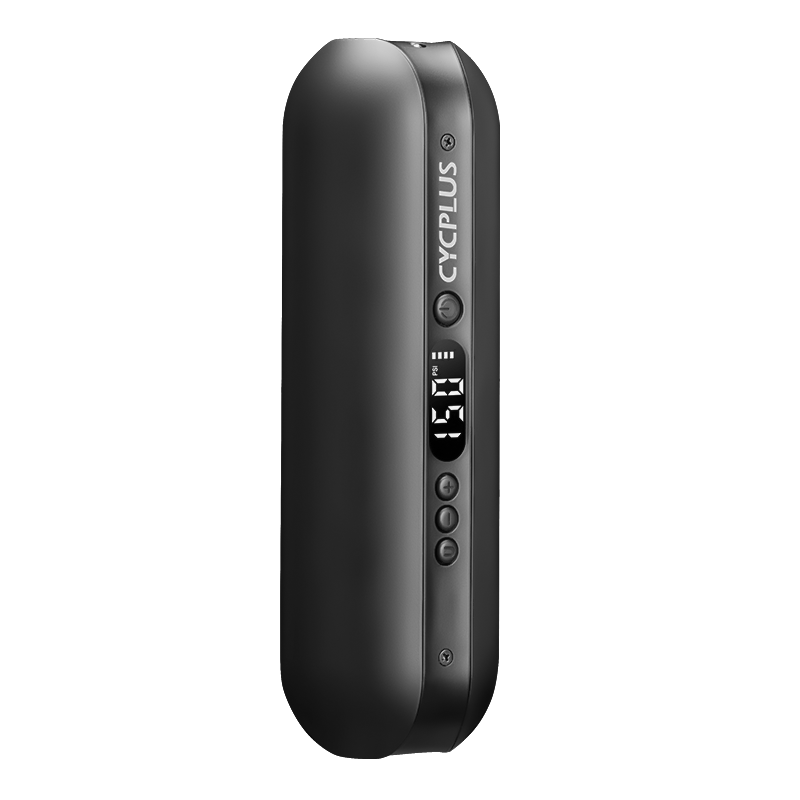
Factory Direct Portfolio
Precision Cycling Electronics & Micro-Inflation Technology
Built under strict ISO 9001 and verified on-site by SGS Group. Engineered to withstand high ambient humidity, elevated Caribbean road surface temperatures, and daily high-frequency utility cycling.
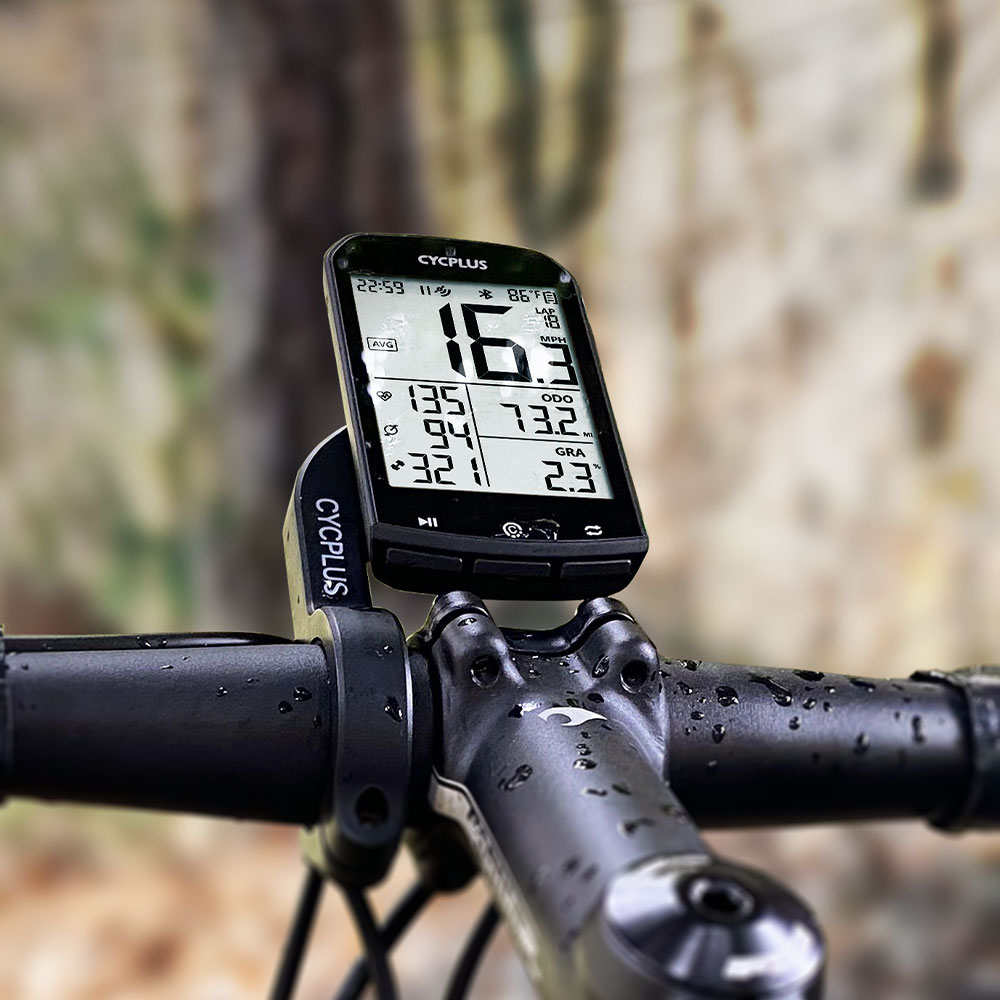
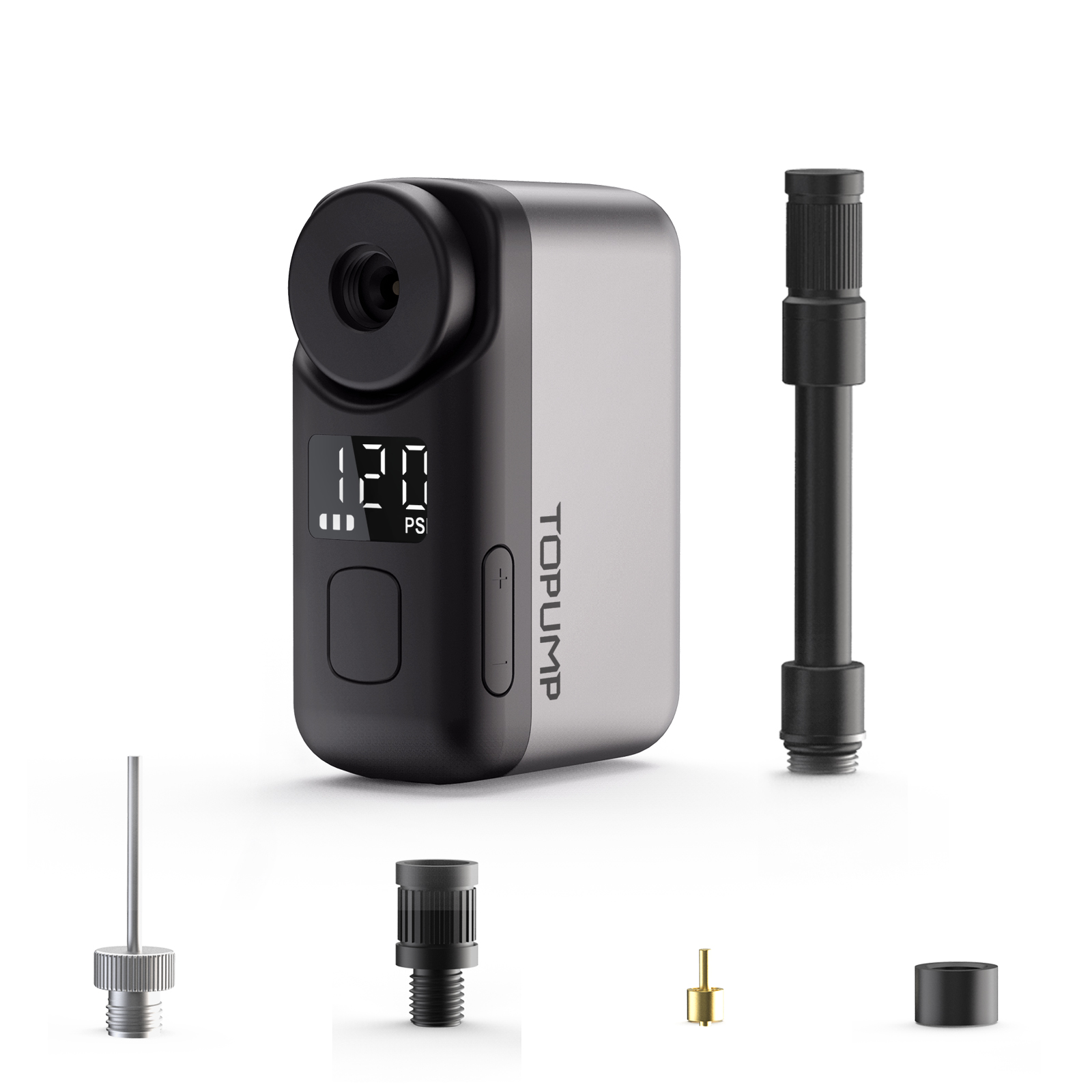
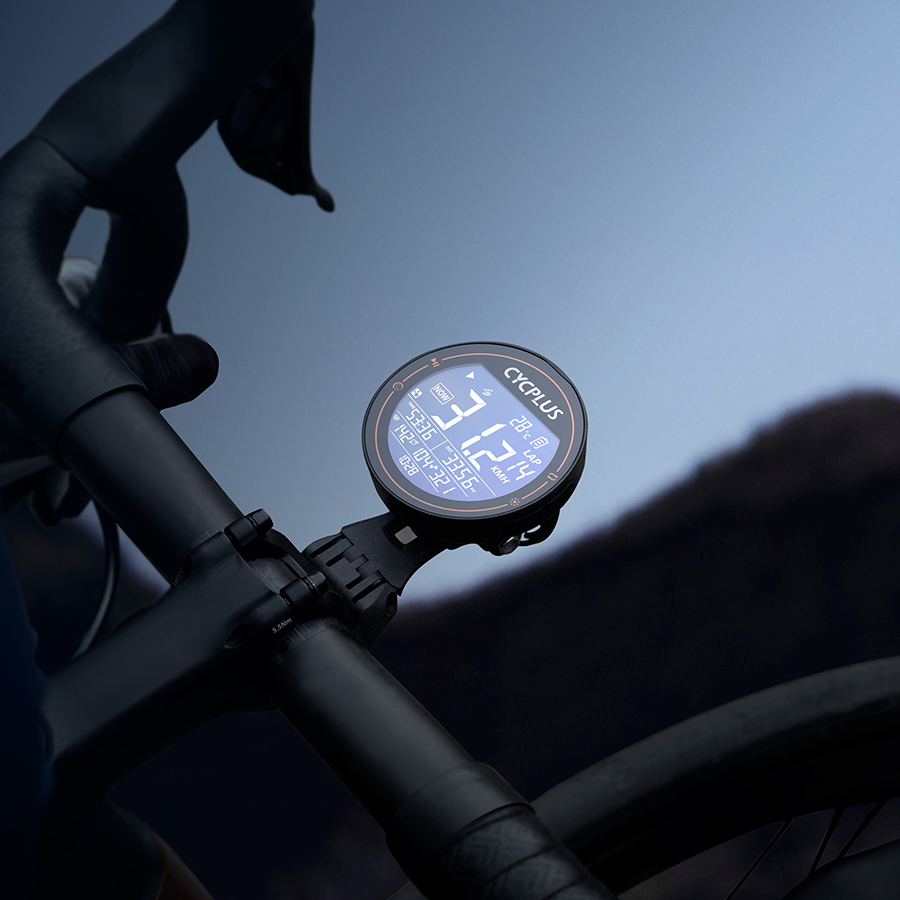

11+
Years Cycling Electronics OEM/ODM
195
Full-Time Factory & R&D Personnel
3,780 m²
SGS Inspected Clean Production Floor
$22M+
Annual Global Export Volume
Strategic Market Imperatives: The Santiago de Cuba Micro-Mobility Landscape
Operating within Eastern Cuba presents an extraordinarily distinct set of mechanical, pneumatic, and infrastructural demands. Santiago de Cuba, framed by the Sierra Maestra and steep inclines such as Calle Trocha and the Padre Pico steps, relies heavily on utilitarian non-motorized and light electric transit. From standard multi-passenger utility bicycles (bicitaxis) to commuter bicycles and light electric mopeds, two-wheeled transit forms the economic backbone of urban distribution across the municipality. In this setting, improper tire pressure isn't merely an inconvenience; it represents a primary vector of rapid tire carcass deterioration, inner tube degradation, and heightened pedaling resistance on elevated gradients.
As a dedicated bike pump gauge manufacturer and factory, JUNE Intelligent Technology addresses the specific failure points experienced in the Santiago de Cuba market. Due to extreme tropical maritime heat, atmospheric salinity from Santiago Bay, and irregular supply chains for replacement rubber, pneumatic precision is mission-critical. A difference of 10 to 15 PSI under load drastically increases rolling friction on cracked asphalt and cobblestone sectors, accelerating tread blowout and rim damage. Conversely, manual pumping without an accurate pressure gauge in 35°C ambient temperatures regularly leads to over-inflation blowouts during midday solar thermal expansion.
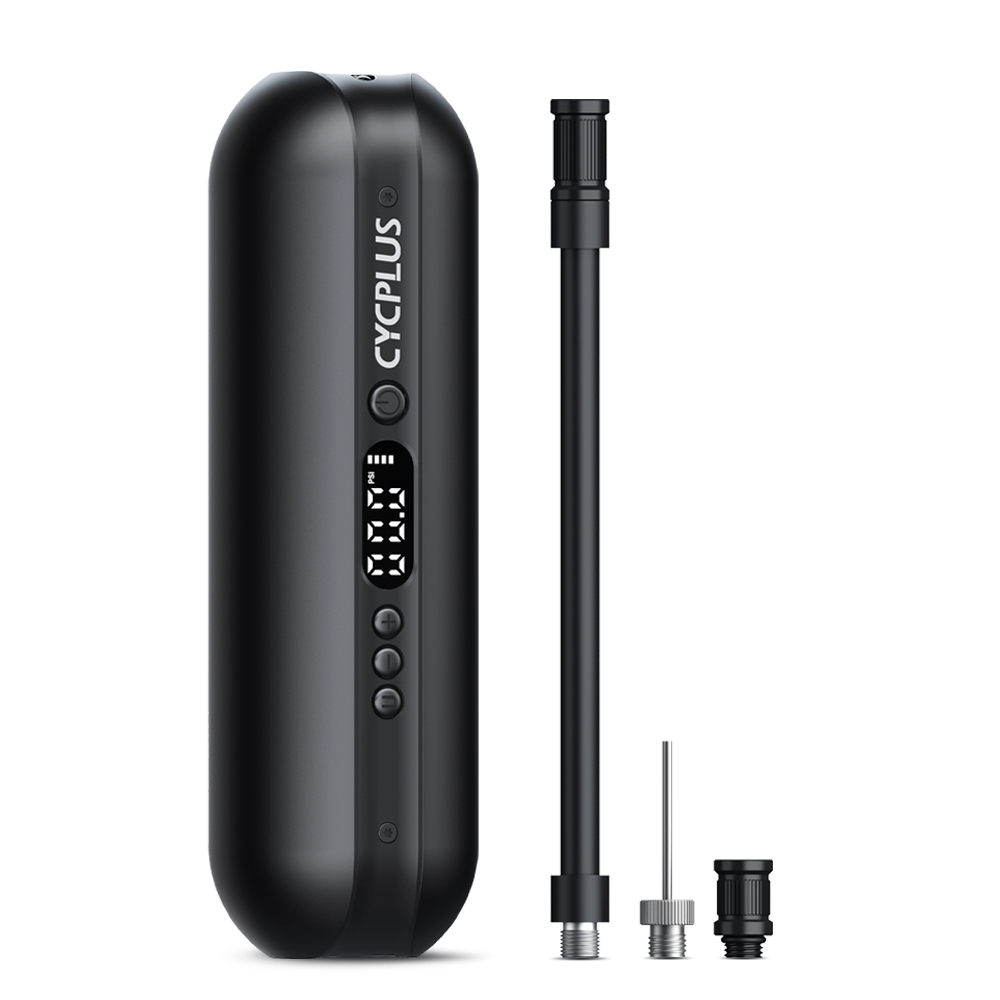
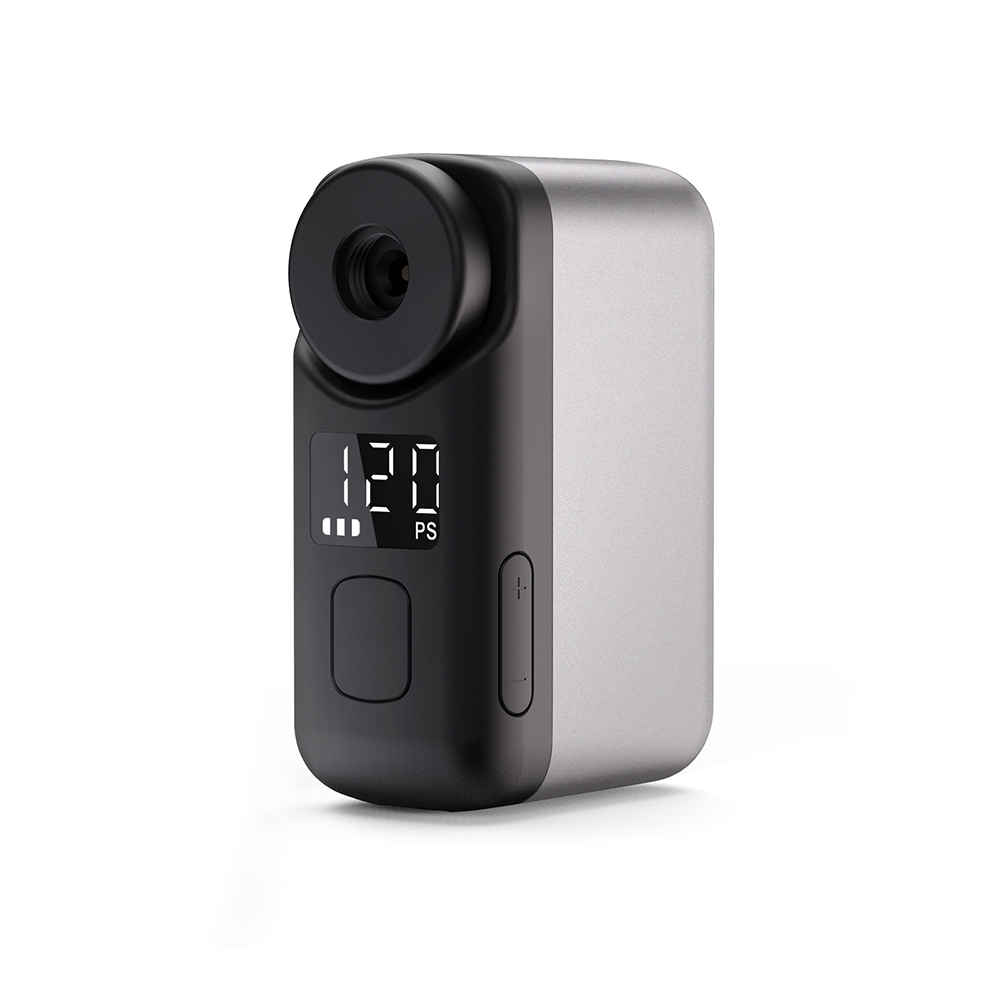
Our digital and integrated mechanical gauge assemblies are specifically engineered to solve these structural hazards. By integrating industrial piezoresistive pressure sensors with calibrated micro-controllers, our inflators deliver real-time digital readouts calibrated to ±1% full scale (F.S.). This enables fleet managers, municipal repair cooperatives (poncheras), and independent transport workers to maintain exact tire pressure tolerances, extending tire lifespan by up to 38% under aggressive urban conditions.
Localized Deployment
High-Yield Application Scenarios Across Santiago de Cuba
Targeted pneumatic configurations engineered for high-heat, high-load, and infrastructure-constrained environments.
🚲
Commercial Bicitaxi & Cargo Fleets
Bicitaxis operating around Alameda Promenade and Micro 3 in Distrito José Martí carry aggregate payloads often exceeding 220 kg. Maintaining heavy-duty 26" × 2.125" tires at stable operating pressures (45–55 PSI) is critical to prevent rim-pinch flats. Our auto-shutoff electric pumps with digital gauges eliminate rolling drag, drastically reducing physical driver exhaustion on sustained inclines.
⚙️
Municipal Ponchera Service Stations
Santiago’s localized tire patch repair workshops (poncheras) require high-throughput inflation tools resistant to airborne grit, road dust, and continuous operation. Traditional manual floor pumps frequently blow out valve seals or feature uncalibrated analog needles. Our industrial-grade pump gauges provide digital verification, ensuring exact bead seat pressure across both Schrader and Dunlop/Presta valves.
⚡
Electric Scooters & Commuter Mopeds
With the rapid surge of lithium-ion electric mopeds and commuter ebikes traversing Avenida de las Américas, tire volume is low while working pressure is high (40–50 PSI). Small tire air chambers lose significant pressure during manual gauge detachment. Our zero-loss quick-connect chucks with internal check valves ensure zero PSI drop during disengagement.
Engineering Benchmarks: Conventional Manual Gauges vs. JUNE Digital Pressure Solutions
A granular technical comparison detailing why modern piezoresistive digital gauge architecture outperforms legacy analog Bourdon-tube assemblies under tropical Caribbean conditions.
| Evaluation Parameter | Legacy Bourdon Tube (Analog Floor Pump) | JUNE Precision Piezoresistive Digital Gauge | Commercial Impact in Santiago de Cuba |
|---|---|---|---|
| Measurement Accuracy | ±5.0 to 8.0 PSI (Vibration sensitive) | ±1.0 PSI (Digital ADC linear mapping) | Eliminates blowouts from midday solar thermal tire expansion. |
| Humidity & Salinity Drift | High (Internal bronze spring corrodes in coastal air) | Zero (Hermetically sealed silicon pressure die) | Guarantees 5+ years calibration stability along Santiago Bay. |
| High-Pressure Cutoff | Manual inspection (User dependent error) | Microprocessor-controlled automated shutoff | Prevents casing rupture on worn, hard-to-replace tires. |
| Power & Autonomy | Manual stroke exertion | Rechargeable lithium cell (Type-C 5V/2A) | Enables operation during local municipal grid load shedding. |
| Valve Compatibility | Single-head clamp (Prone to gasket wear) | Integrated Presta / Schrader / Dunlop brass chuck | Universally services Soviet-era, Chinese, and modern cycles. |
Regional Market Trends: The Shift Toward Autonomous Infrastructure
Procurement channels in Santiago de Cuba and the wider Oriente region are undergoing significant structural evolution. Historically reliant on cast-iron foot pumps or antiquated workshop compressors requiring three-phase electrical connections, local distributors and non-governmental repair initiatives are pivoting toward decentralized, battery-backed inflation hardware. Intermittent urban power distribution makes autonomous, rechargeable equipment a practical operational necessity rather than a luxury.
Furthermore, the commercial value of bicycle tires in Cuba necessitates rigorous preventive maintenance. Because replacement clinchers and reinforced inner tubes must often be imported through complex freight channels via Havana or Santiago’s Guillermón Moncada port, extending rubber service life is paramount. A digital gauge that actively prevents under-inflation (which crushes sidewalls) and over-inflation (which risks casing delamination under the scorching Caribbean sun) offers immediate, verifiable ROI for both commercial operators and retail distributors.
Manufacturing Verification
Why Importers Partner with JUNE Intelligent Technology
Operating an advanced 3,780 m² production facility in Chengdu, Sichuan, JUNE Intelligent Technology combines extensive cycling electronics research with high-volume, automated assembly lines. Our factory has been verified on-site by SGS Group, giving B2B buyers complete transparency into our supply chain integrity.
- Verified Testing Infrastructure: In-house DC power supplies, cyclic endurance testing systems, pneumatic burst chambers, and automated bike trainer dynamometers.
- Precision Precision Assemblies: Ultrasonic plastic welding, bench drilling, and pneumatic crimping presses ensuring IPX4 to IPX6 ingress protection.
- Complete Regulatory Compliance: Comprehensive CE and REACH documentation available for export compliance.
- Low Evaluation Barrier: Production sample evaluation starting from 2 pieces for verified corporate accounts.

B2B Buyer FAQ
Frequently Asked Questions: Sourcing for the Santiago de Cuba Market
Clear, direct answers regarding shipping logistics, tropical environmental resilience, electrical compatibility, and OEM terms.
How do your pump gauges withstand high tropical humidity and saline air near the Santiago coastline?
All JUNE digital inflator gauges utilize conformal-coated printed circuit board assemblies (PCBAs) and hermetically sealed piezoresistive pressure sensors. Internal mechanical fittings, air channels, and chucks are manufactured from corrosion-resistant solid brass and anodized aluminum alloys, preventing the oxidation and pneumatic seal degradation typical of low-cost iron or zinc-alloy pumps exposed to maritime salinity.
What is the minimum order quantity (MOQ) for custom branding or packaging?
We maintain an accessible trial evaluation tier starting at just 2 units for standard catalog models, enabling technical validation of samples. For OEM private-label production—including customized logo printing, Spanish-language retail packaging, and customized firmware pressure presets—our standard MOQ starts from 500 to 1,000 units depending on customization depth.
How can devices be reliably recharged given variable grid voltages in the Caribbean?
Our portable electric pump series incorporates universal 5V USB Type-C charging inputs with built-in over-voltage, over-current, and reverse-polarity protection ICs. This architecture permits safe charging via automotive 12V adapters, external portable power stations, or standard USB photovoltaic panels, completely circumventing local AC voltage fluctuation concerns.
Are your pump chucks compatible with traditional Dunlop/Woods and Russian valves found in Cuba?
Yes. Our inflators feature dual-threaded and push-on multi-valve chucks engineered for native Schrader (American) and Presta (French) valves out of the box, with readily available, hard-wearing brass push-fit adapters for traditional Dunlop/Woods valves frequently encountered on utility cycles across Cuba.
What shipping and freight terms do you support for Eastern Cuban delivery points?
We offer flexible Incoterms including FOB (Shenzhen/Guangzhou/Shanghai), CIF, and CFR directly to international freight forwarders specializing in Caribbean maritime shipping. Our dedicated 35-person international trade department prepares all hazardous-materials documentation (UN38.3 battery test certifications and MSDS) required for smooth sea and air transport.
