High-Performance Cycling Accessories for Ecuadorian Importers
Engineered to withstand extreme Andean elevation shifts and humid coastal environments, our CE- and REACH-certified smart cycling hardware delivers class-leading reliability.
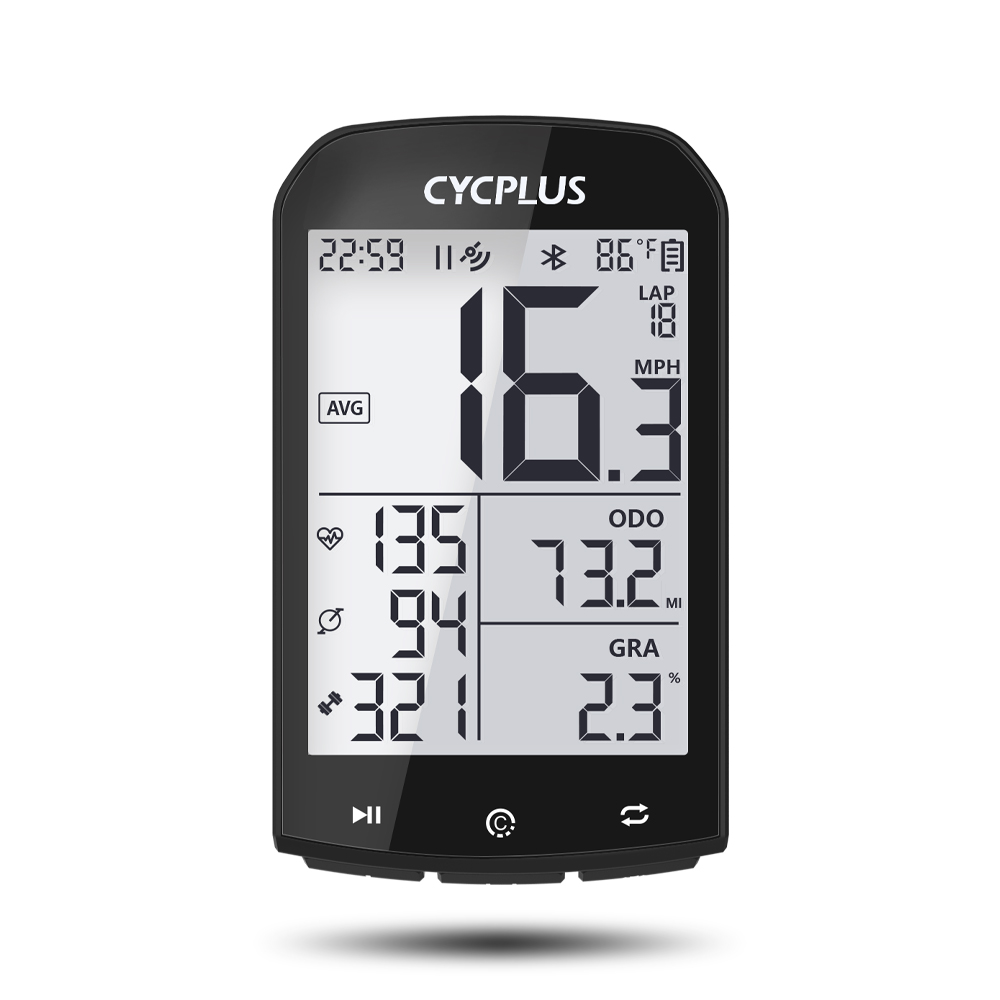
CYCPLUS Cycling Bicycle GPS Positioning Smart Bicycle Computer
Multi-satellite high-precision GNSS positioning module configured for mountain trails and complex urban elevation tracking across Quito and Cuenca.
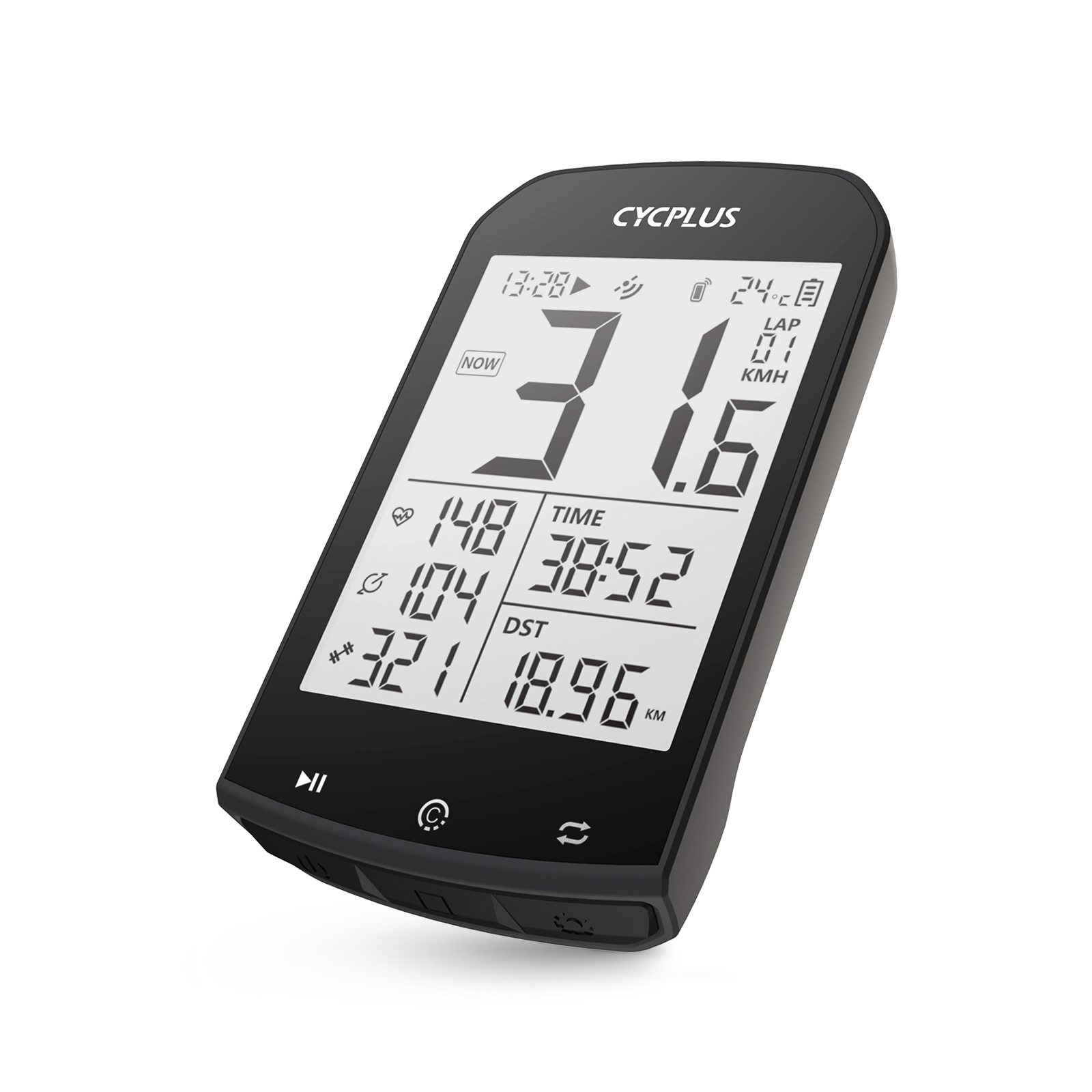
CYCPLUS Rechargeable Digital Speedometer GPS Bike Cycling Computer Wireless Bicycle Computer
Sunlight-readable anti-glare display providing instant velocity, altitude, and gradient metrics with USB rechargeable high-density cell.
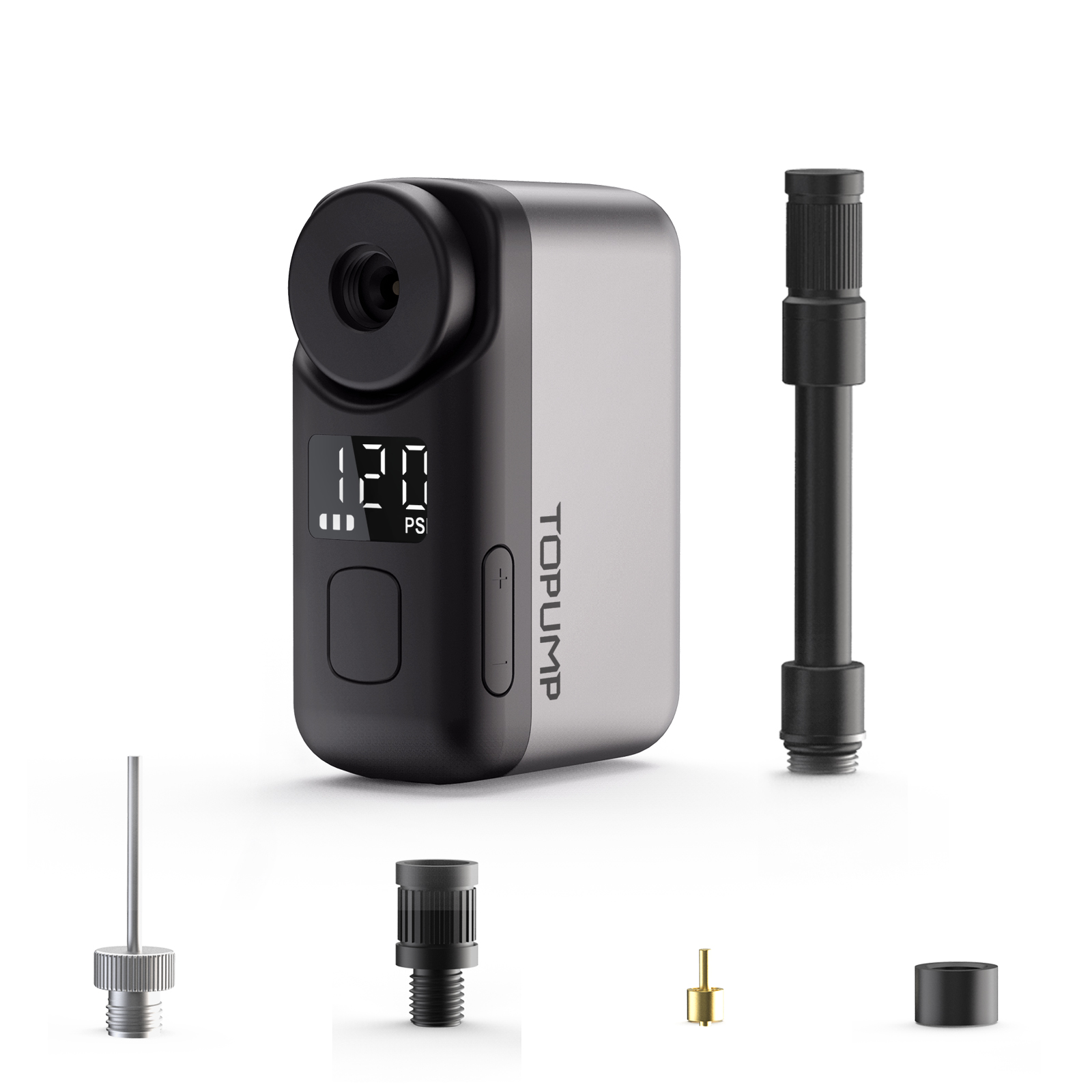
Original Factory Rechargeable Portable Air Pump Electric Bicycle Pump Mini Bike Pump with Digital Gaug
Compact electric inflator with real-time digital pressure gauge and auto-stop mechanism calibrated up to 120 PSI for road, gravel, and mountain tires.
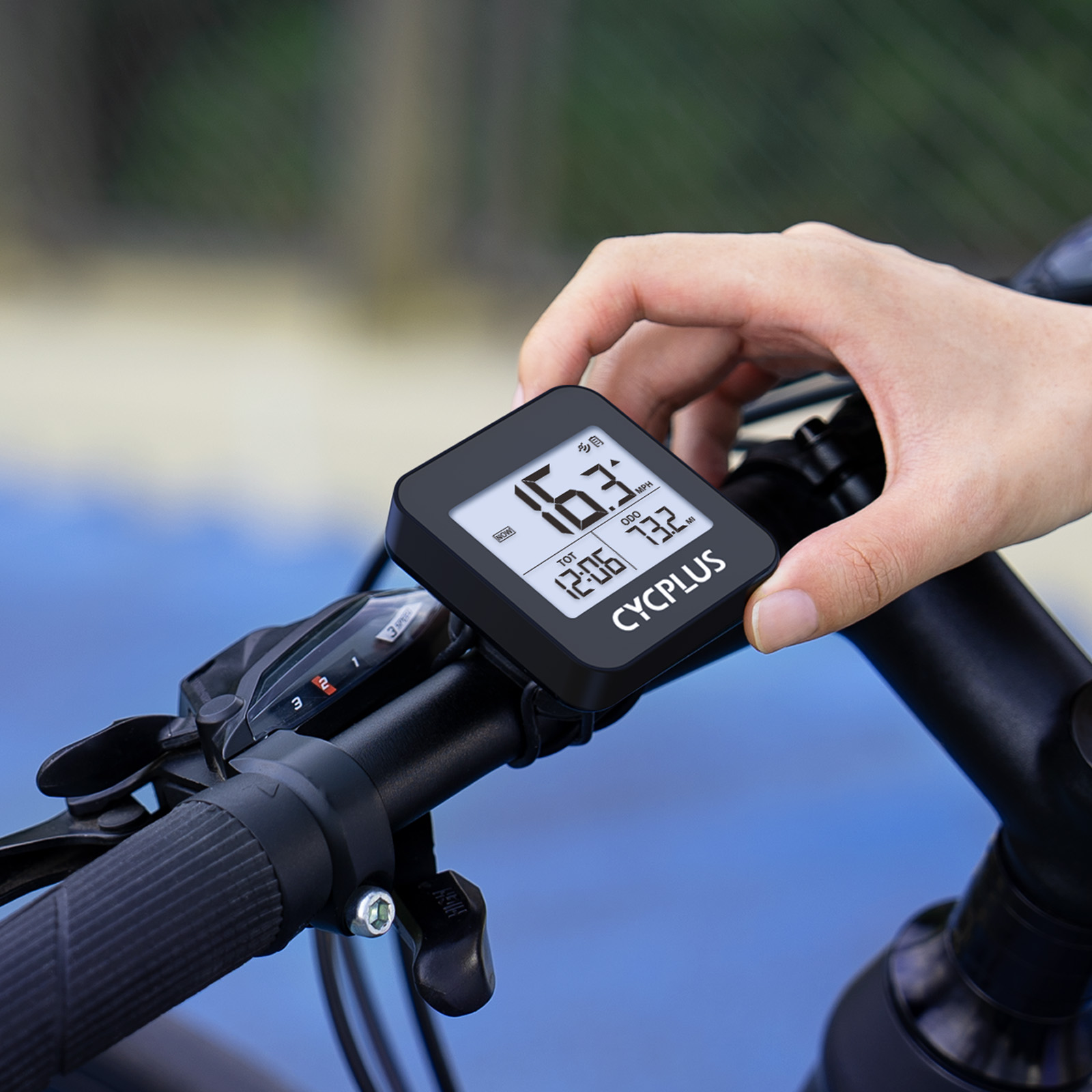
CYCPLUS Waterproof Gps Bicycle Computer Bike Cycle Computer Wireless Cycling Odometer Speedometer Bike Computer Bicycle
Sealed waterproof housing crafted for tropical downpours and mountain drizzle. High-contrast display logs routes, speeds, and total elevation gains.
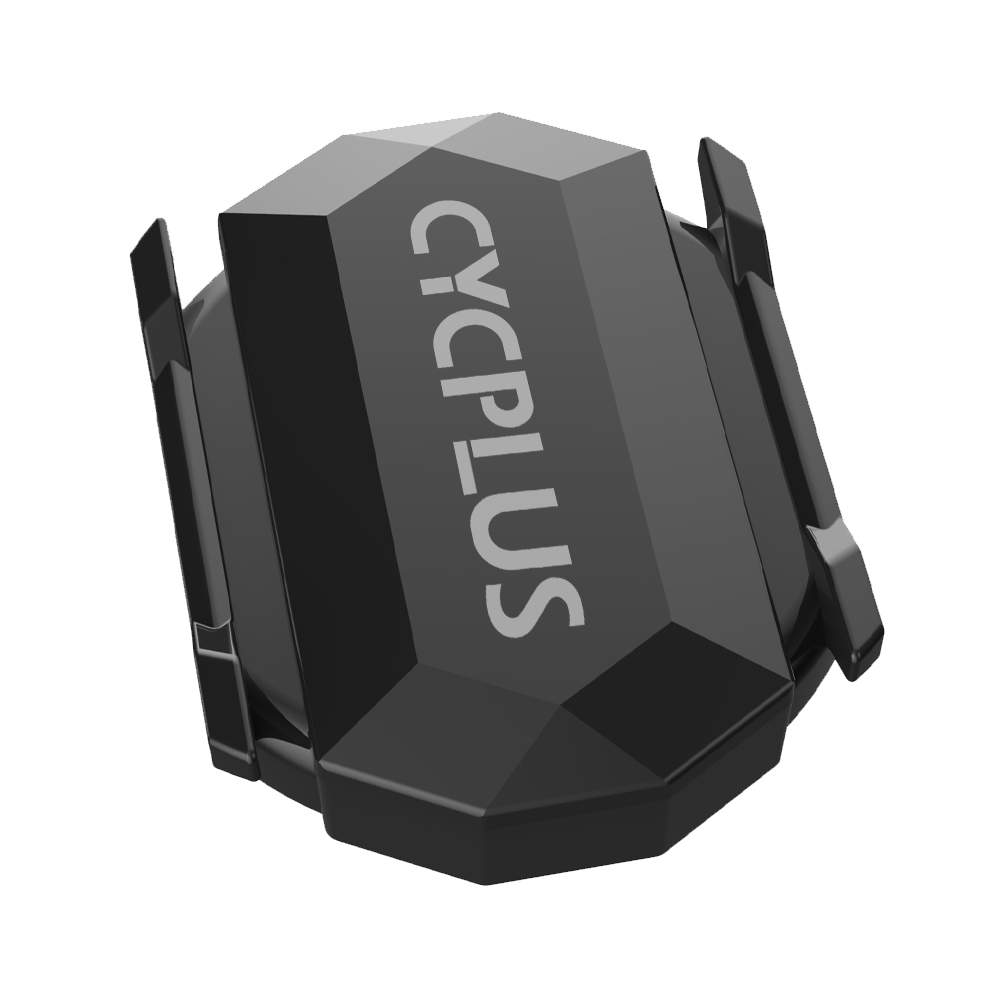
CYCPLUS C3 Cadence Speed Sensor Cadence Cycling Sensor Cadence Bike Sensor
Dual-mode speed and cadence sensor supporting ANT+ and Bluetooth BLE 5.0. Effortless crank and hub mounting without external magnet calibrators.
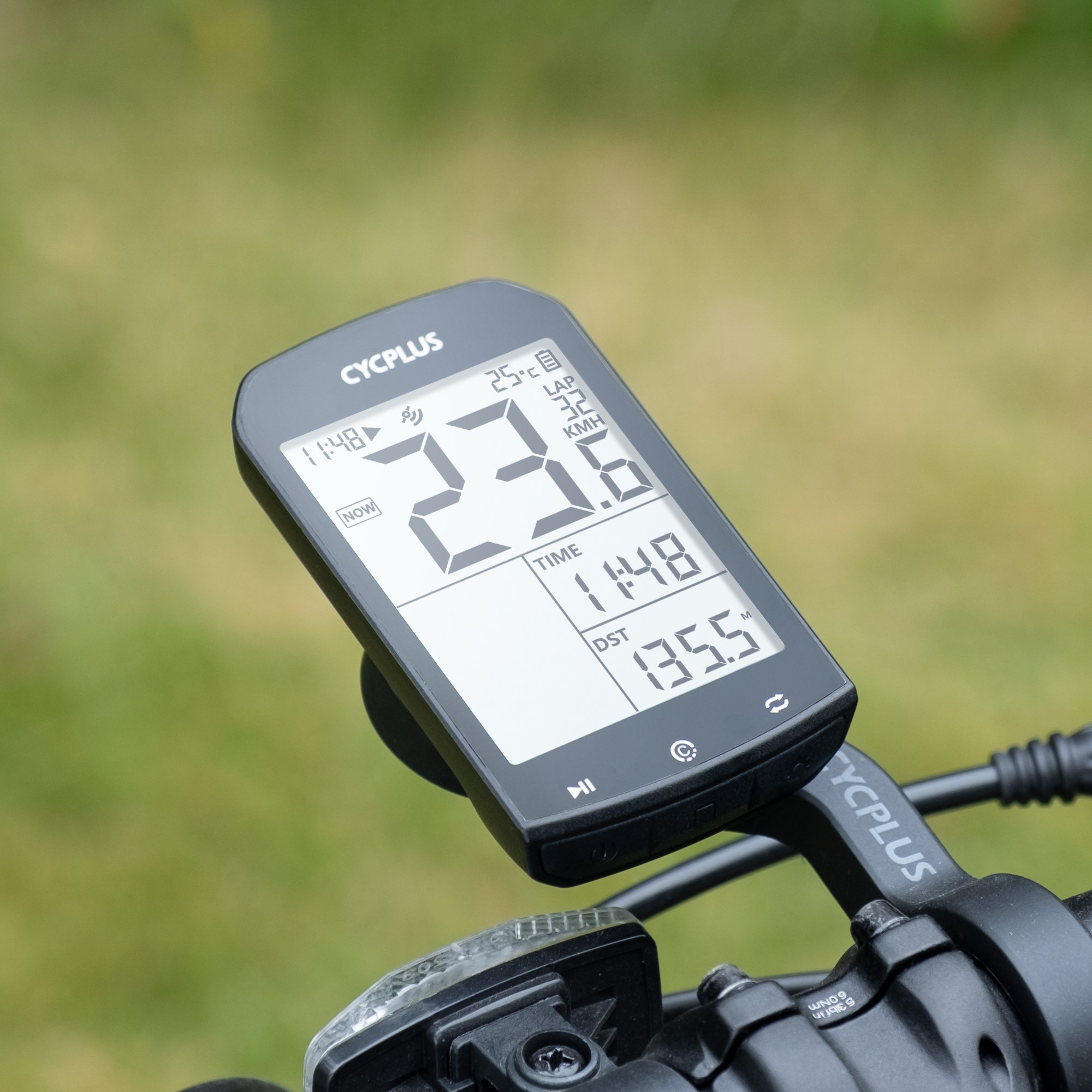
CYCPLUS Wireless ANT+ Bike Computer Multifunctional Smart Bike Speedometer Bicycle Accessories GPS Bicycle Computer
Multifunctional telemetry console seamlessly syncs with heart rate straps, power meters, and cadence pods. Perfect for high-altitude training camps.
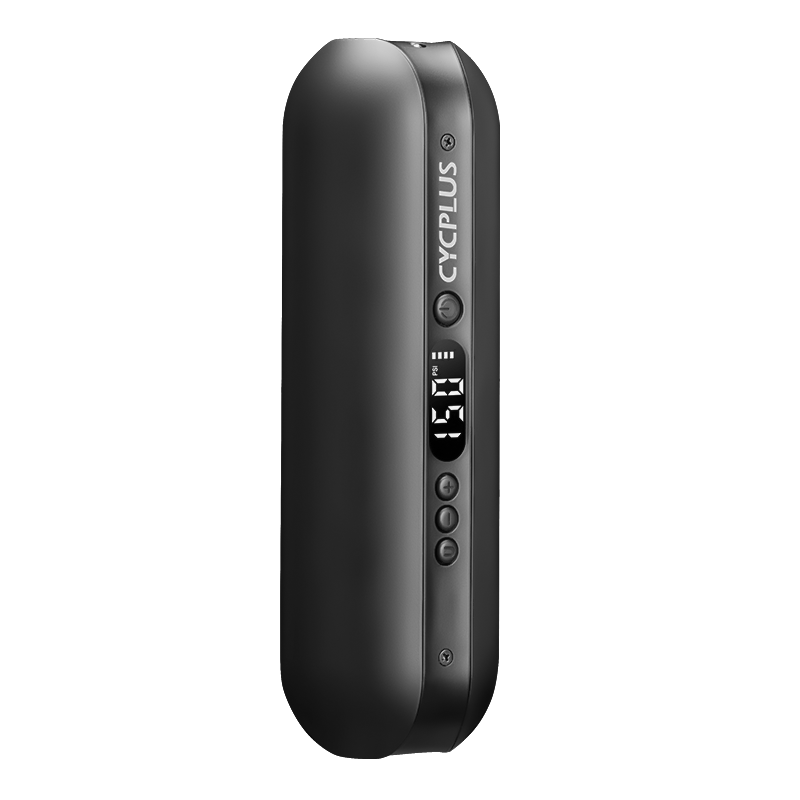
CYCPLUS Cordless Portable Rechargeable Digital Tire & Tyre Inflator Air Pump Air Compressor for Car Bike Motorcycle Ball
Heavy-duty cordless air compressor delivering dual-cylinder pumping action for downhill MTBs, gravel bikes, motorcycles, and emergency fleet vehicles.
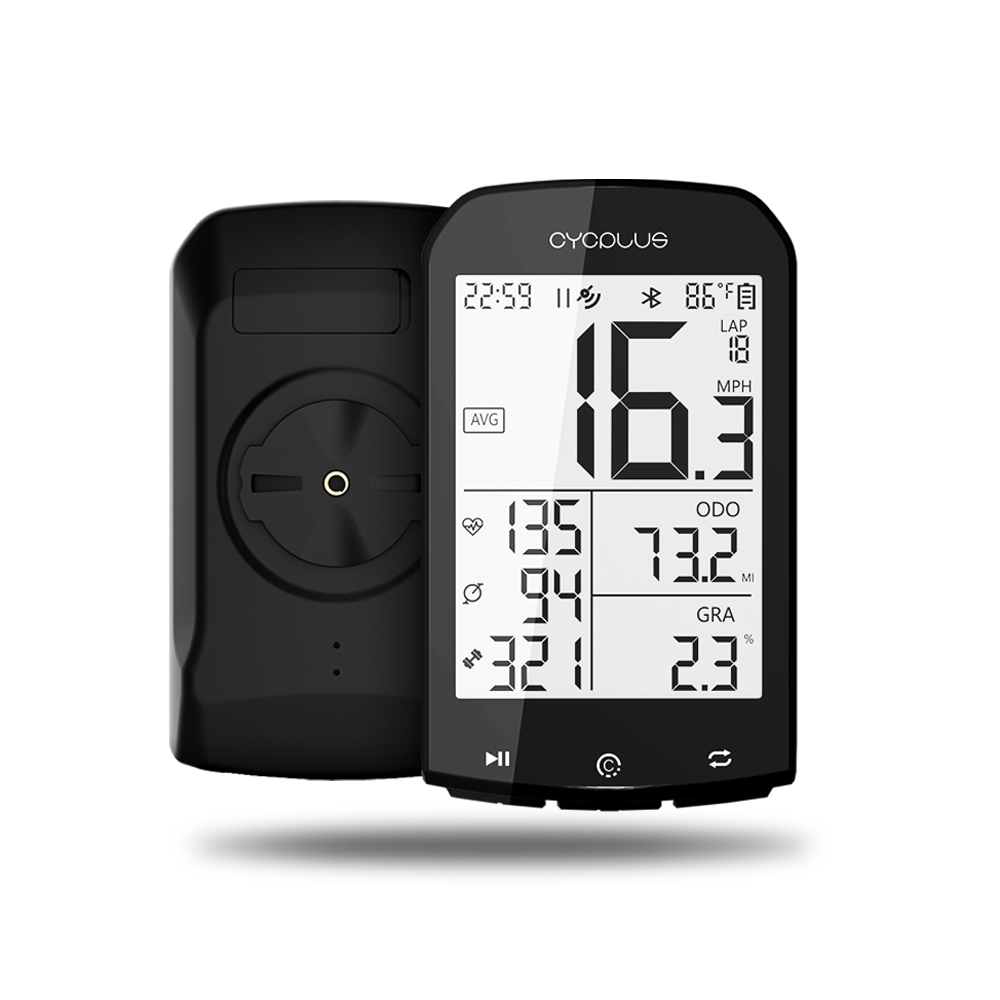
CYCPLUS Bike Odometer Display Bicycle Computer Wireless Bicycle Gps Speedometer
Minimalist, ultra-reliable wireless cycling odometer built for fleet operators, commuter bike programs, and recreational bike shops across Guayaquil and Manta.
The Ecuadorian Cycling Ecosystem: Growth Vectors, Urban Commuting, and Mountain Dominance
A rigorous examination of Ecuador's cycling consumer demographics, infrastructure modernizations, and supply chain demands for international B2B purchasers.
Ecuador's cycling market has undergone a structural transformation over the past decade, shifting rapidly from a niche leisure pastime to a pillar of national athletic identity and sustainable urban transport. Fueled by high-profile international cycling victories—exemplified by Olympic champion Richard Carapaz and WorldTour stage triumphs—grassroots cycling participation has surged exponentially across Pichincha, Guayas, Azuay, and Imbabura. For commercial importers, distributor networks, and retail chains, understanding Ecuador's specific cycling dynamics is imperative to capture market share and avoid stocking mismatched inventory.
Unlike flat or uniform regional markets, Ecuador represents one of the most topographically extreme cycling territories in South America. The country is split geographically between the high-altitude Andean Sierra (with population hubs like Quito sitting at 2,850 meters and Cuenca at 2,560 meters), the hot, coastal Pacific lowlands (anchored by Guayaquil and Portoviejo), and the humid Amazonian basin. This rugged altitude diversity creates distinct sub-segment demands: cross-country (XC) and enduro mountain biking represent over 60% of enthusiast bicycle volume in the Sierra, whereas coastal urban centers demand high-reliability city commuter gear, robust flat-resistance solutions, and durable cargo-carrying accessories.
Simultaneously, municipal policy shifts in metropolitan centers have institutionalized cycling culture. Quito’s longstanding Ciclopaseo—which closes more than 30 kilometers of major avenues every Sunday—along with aggressive bike lane expansion projects in Cuenca and Guayaquil's modern boardwalk connector routes, has catalyzed mass commuter adoption. As urban congestion and vehicle fuel maintenance costs mount, e-bikes, urban hybrids, and gravel bikes are replacing public transit for daily commuters. Consequently, consumer expectations for aftermarket accessories have matured: Ecuadorian riders no longer settle for unbranded, brittle plastics; they actively seek intelligent telemetry, rechargeable high-pressure tire inflators, and waterproof electronic sensors capable of surviving punishing volcanic soils, steep mountain descents, and sudden tropical rain squalls.
Localized Engineering: Stress-Tested Scenarios Across Ecuador’s Microclimates
How our smart cycling instruments and portable electric pumps overcome extreme atmospheric pressure drops, tropical humidity, and rugged volcanic terrains.
High-Altitude Barometric Compensation
At 2,850m in Quito or 4,000m on the slopes of Cotopaxi, atmospheric air density is roughly 25-30% lower than at sea level. Standard manual mini-pumps demand exhausting physical effort, while consumer pressure sensors often yield wild gauge errors. Our portable rechargeable inflators feature calibrated internal barometric sensors that compensate for low ambient pressure, delivering exact tire pressures without overloading brushless micro-motors.
Coastal Salinity & Thermal Protection
In coastal cycling hubs such as Guayaquil, Manta, and Salinas, cycling electronics encounter relentless 80%+ humidity and airborne salt aerosols. Standard housings corrode rapidly and ingress seals fail during sudden tropical storms. Our GPS computers and speedometers are manufactured with ultrasonic welding techniques, precision gasket compression, and conformal circuit coatings, achieving full IPX7 waterproof compliance.
Deep-Canyon GPS Reception in the Sierra
Mountain bikers descending the steep ravines of Baños or navigating dense high-Andean valleys frequently encounter heavy satellite shadowing. Our computers integrate multi-constellation GNSS chipsets (GPS + GLONASS + Galileo + BeiDou) coupled with high-sensitivity ceramic patch antennas, guaranteeing sub-meter tracking fidelity, gradient calculation, and rapid cold-start satellite locks under dense canopy coverage.
Technical Specification & Application Guide for Commercial Distributors
Strategic inventory alignment to help Ecuadorian bike shops, fleet managers, and sporting goods wholesalers maximize sell-through velocity.
| Equipment Category | Primary End-User Demographics | Critical Engineering Parameter | Ecuador Localized Operating Advantage | Recommended Packaging / Channel |
|---|---|---|---|---|
| Smart Micro Air Pumps (AS2 Series) | Road cyclists, gravel racers, mountain endurance riders | 120 PSI peak output, digital pressure auto-stop, 130g pocket footprint | Eliminates the risk of altitude-induced tire blowouts; fits jersey pockets on steep climbs | Retail color box with Presta/Schrader adapters & silicone thermal case |
| Heavy-Duty Cordless Inflators | E-bike fleets, cargo bike operators, bike rental stations | High-flow dual cylinder, multi-vehicle nozzle set, high-capacity battery | Rapid workshop top-ups in coastal humidity; multi-use capability for commuter fleets | Industrial multi-pack or premium consumer carrying pouch for retail displays |
| Multi-GNSS Bike Computers | Sportive riders, XC racers, club athletes in Quito & Cuenca | Multi-satellite positioning, 35+ hr battery, dynamic altimeter | Precise contour recording on steep Andean grades; seamless Strava/TrainingPeaks sync | Private-label retail boxes with custom firmware language localization |
| ANT+ / BLE Dual Sensors | Indoor cycling studios, performance cyclists, e-commerce stores | Geomagnetic sensor design; IP67 water sealing; 400h coin battery life | No external magnet alignment needed; immune to vibration on cobblestones & gravel | Bulk polybag packaging for OEM assembly or branded blister cards |
| Direct-Drive Smart Trainers | Elite triathletes, competitive teams, premium bike boutiques | Up to 2,500W resistance, +/-1.5% power accuracy, interactive ergometer | Year-round alpine race preparation during high-Sierra wet season and thunderstorms | Reinforced drop-test approved export cartons with multi-plug power supply |
Ecuador Import Dynamics: Customs Clearance, Tariff Codes, and Financial Advantages
A B2B roadmap navigating Ecuadorian customs (SENAE), tax incentives for cycling technology, and dollarized settlement safety.
Importing commercial shipments of cycling electronics and accessories into Ecuador presents distinct competitive and structural advantages when managed with precision. First and foremost, Ecuador operates on the United States Dollar (USD). For local wholesalers and international manufacturers alike, this completely eliminates emerging-market foreign currency volatility, devaluations, and currency hedging surcharges. International bank transfers, documentary letters of credit (L/C), and TT wire settlements proceed cleanly without multi-tier currency exchange losses.
From a regulatory standpoint, goods entering via Guayaquil’s Contecon Maritime Terminal or Quito’s Mariscal Sucre International Airport (cargo terminal) are governed by the Servicio Nacional de Aduana del Ecuador (SENAE). In an effort to encourage sustainable mobility and public health, non-motorized mobility items and specialized cycling safety components have historically enjoyed targeted tariff relief compared to finished automotive luxury goods. B2B importers must ensure their commercial invoices strictly classify accessories under appropriate Harmonized System (HS) codes:
• HS Code 9029.20 / 9029.90: Speedometers, odometers, and cycle-computers.
• HS Code 8414.20: Hand or foot-operated and mini electric battery-powered cycling air pumps.
• HS Code 8504.40 / 8507.60: Smart lithium-ion power packs and charging apparatus.
• HS Code 9506.91: Physical training appliances and smart bike trainers.
Furthermore, electronic cycling equipment containing lithium-ion batteries and wireless radio-frequency chips (Bluetooth / ANT+) must comply with INEN (Instituto Ecuatoriano de Normalización) technical regulations and ARCOTEL standards for unhindered customs release. Because our manufacturing facilities maintain exhaustive CE, RoHS, and REACH verification files, as well as UN38.3 lithium battery transport test reports and MSDS certifications, our Ecuadorian trade partners experience seamless cargo clearance through Guayaquil and Quito customs without expensive demurrage delays or bureaucratic detentions.
Why Major International Brands Partner with JUNE OEM Factory
Behind every device is an ISO-aligned, SGS-verified 3,780 m² manufacturing plant dedicated to cycling precision hardware.
SGS On-Site Audited Facility
Our plant has been verified and audited on-site by SGS Group. With over US$22M+ in annual export turnover, 195 full-time personnel, and 11 years of cycling industry dedication, commercial buyers obtain authentic direct-from-manufacturer accountability without intermediary markups.
Full-Cycle Specialized R&D
From initial industrial exterior sketching and aerodynamic prototyping to embedded firmware development and custom PCB layout, our in-house engineering group accelerates private-label launches. We offer both minor logo customization and comprehensive sample-based development.
Rigorous Test-Bench QC Systems
Our workshop floor integrates hydraulic and pneumatic assembly presses, automated ultrasonic casing welders, precision DC power supply analyzers, and a proprietary bike trainer dynamometer. Every unit undergoes automated packing only after passing full multi-point functional validation.
Frequently Asked Questions: Ecuadorian Sourcing, Logistics & Product Customization
Essential clarifications for purchasing directors, logistics managers, and retail network buyers operating in Ecuador.
What is the minimum order quantity (MOQ) for shipping to Ecuador, and can we order sample units?
How do your electric mini-pumps perform at Andean altitudes exceeding 3,000 meters?
What are the freight transit times and port options from your factory to Ecuador?
Are your wireless cycling computers and GPS displays compatible with Presta, Schrader, and international sensors?
What warranty terms, defect rates, and spare parts support do you offer B2B partners?
How do we establish private-label (OEM) branding for our domestic Ecuadorian distribution chain?
Expand Your Cycling Hardware Portfolio in Ecuador
Partner directly with an SGS-verified cycling electronics manufacturer. Receive factory-direct wholesale pricing, sample evaluation packages, and comprehensive OEM/ODM engineering support today.
