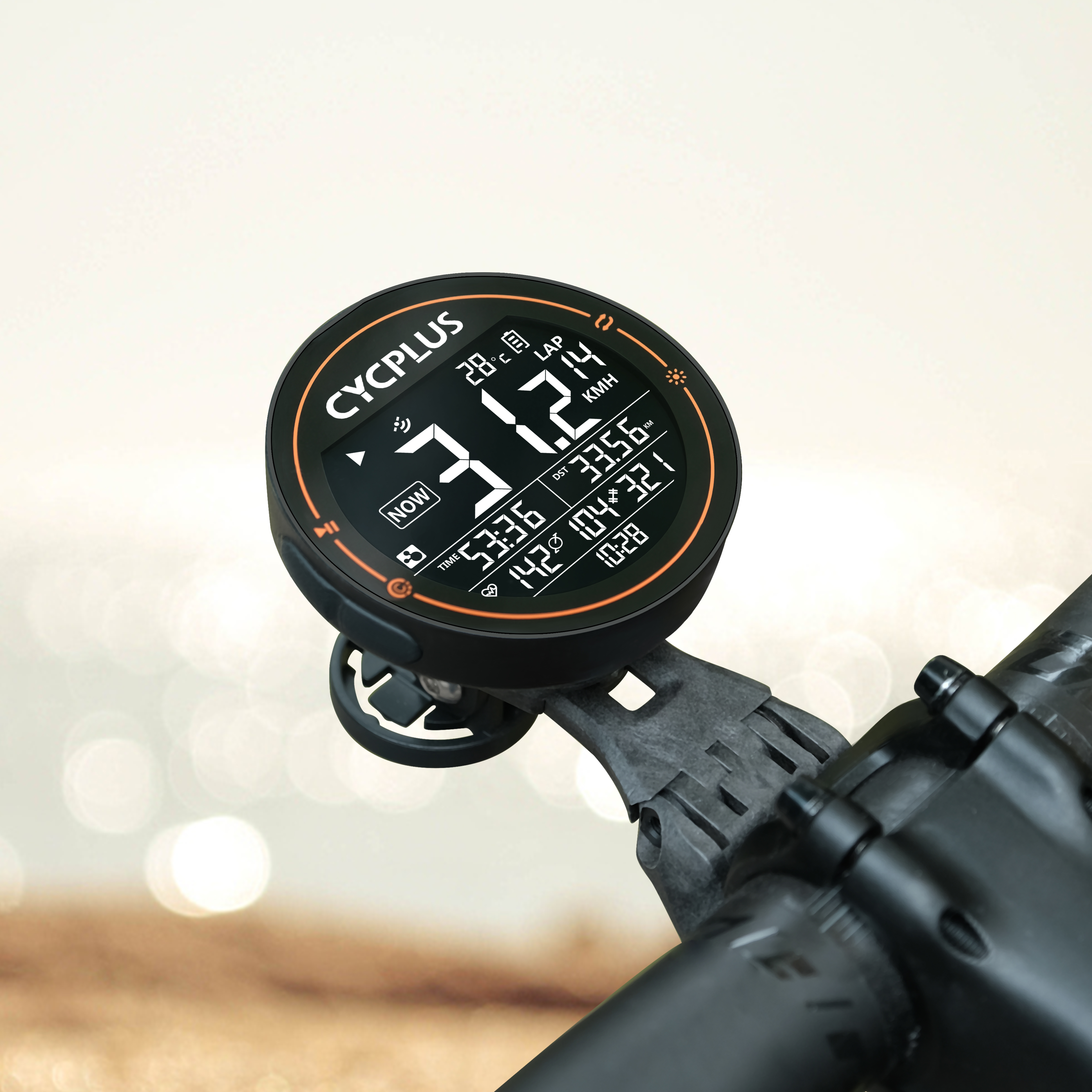
Integrated Hardware Portfolio
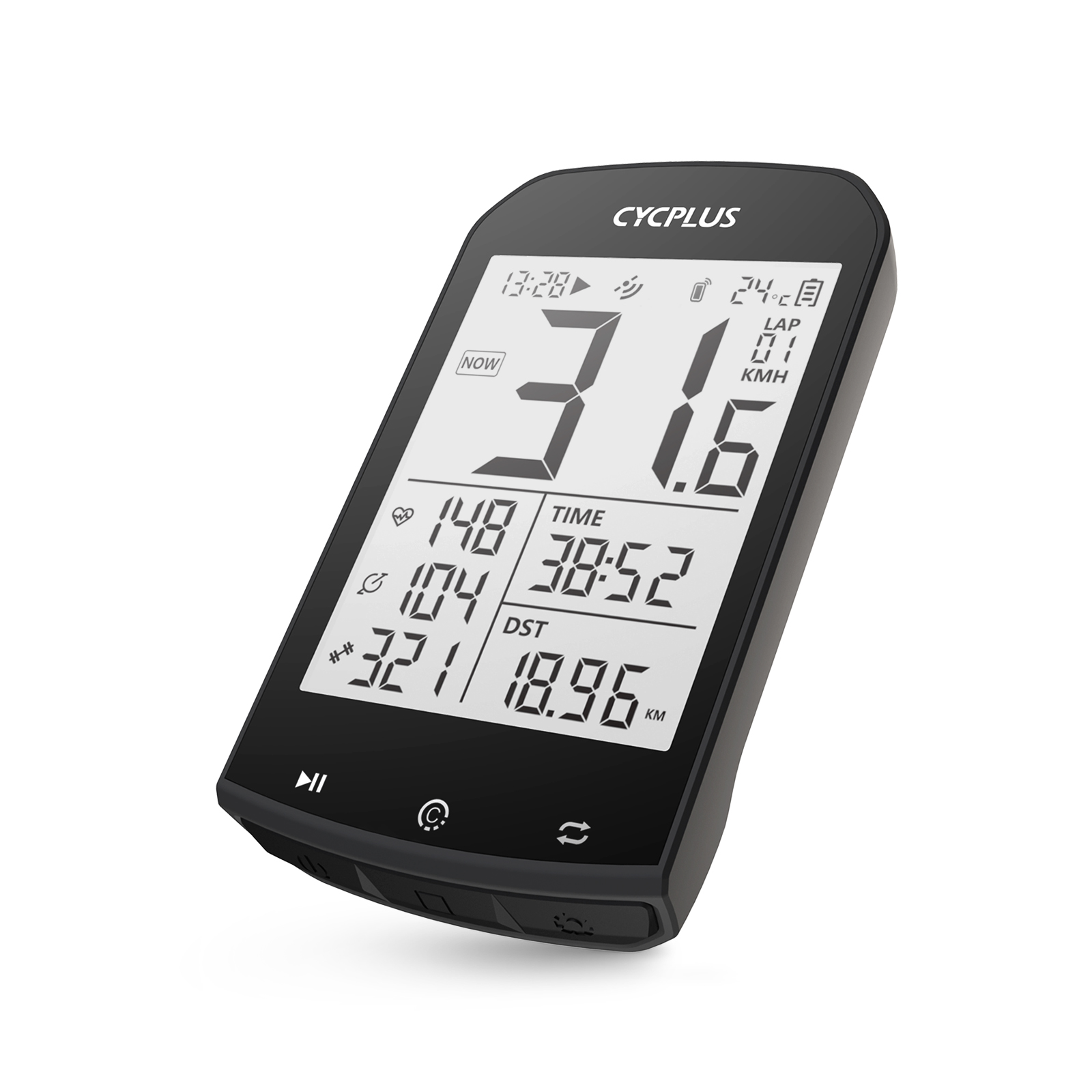
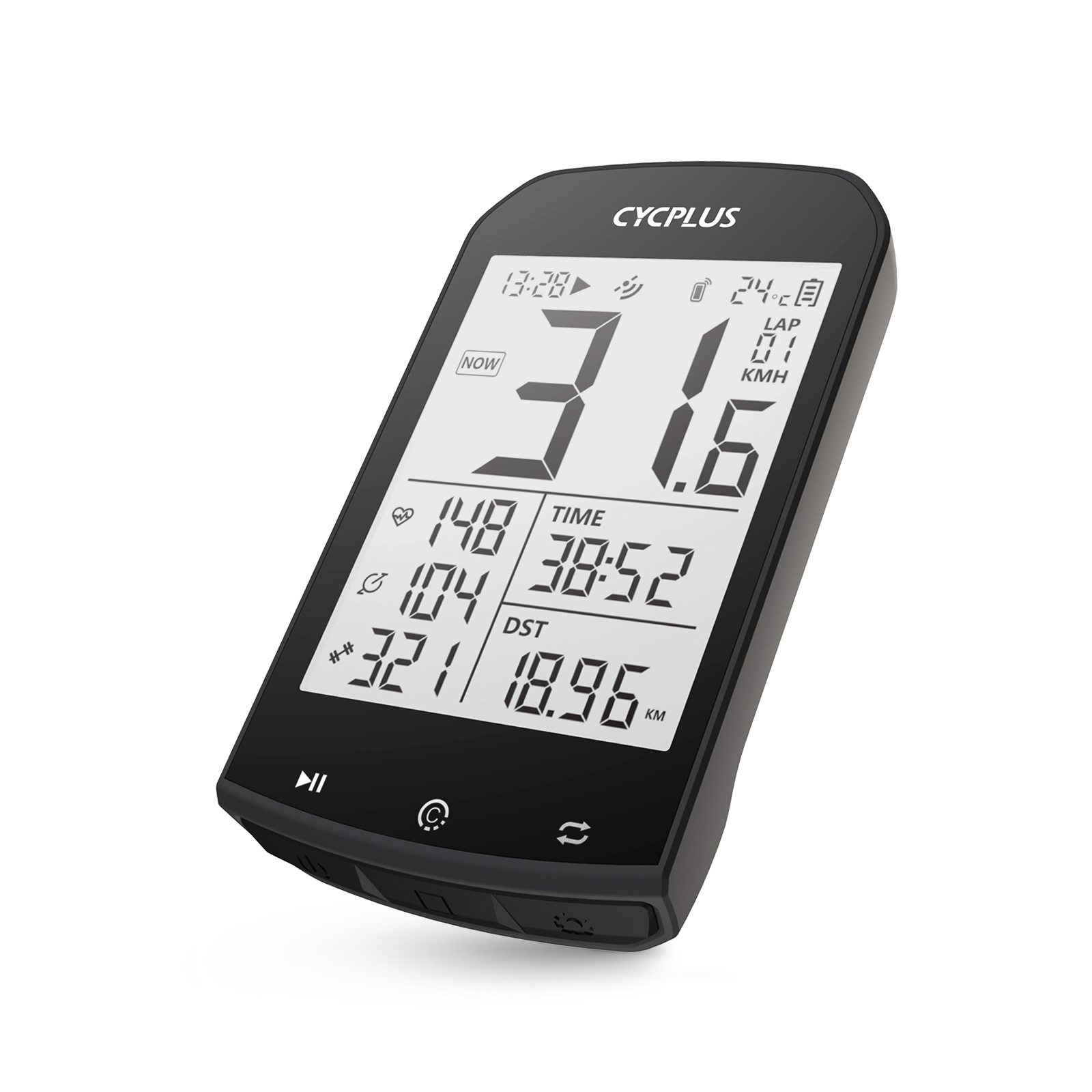
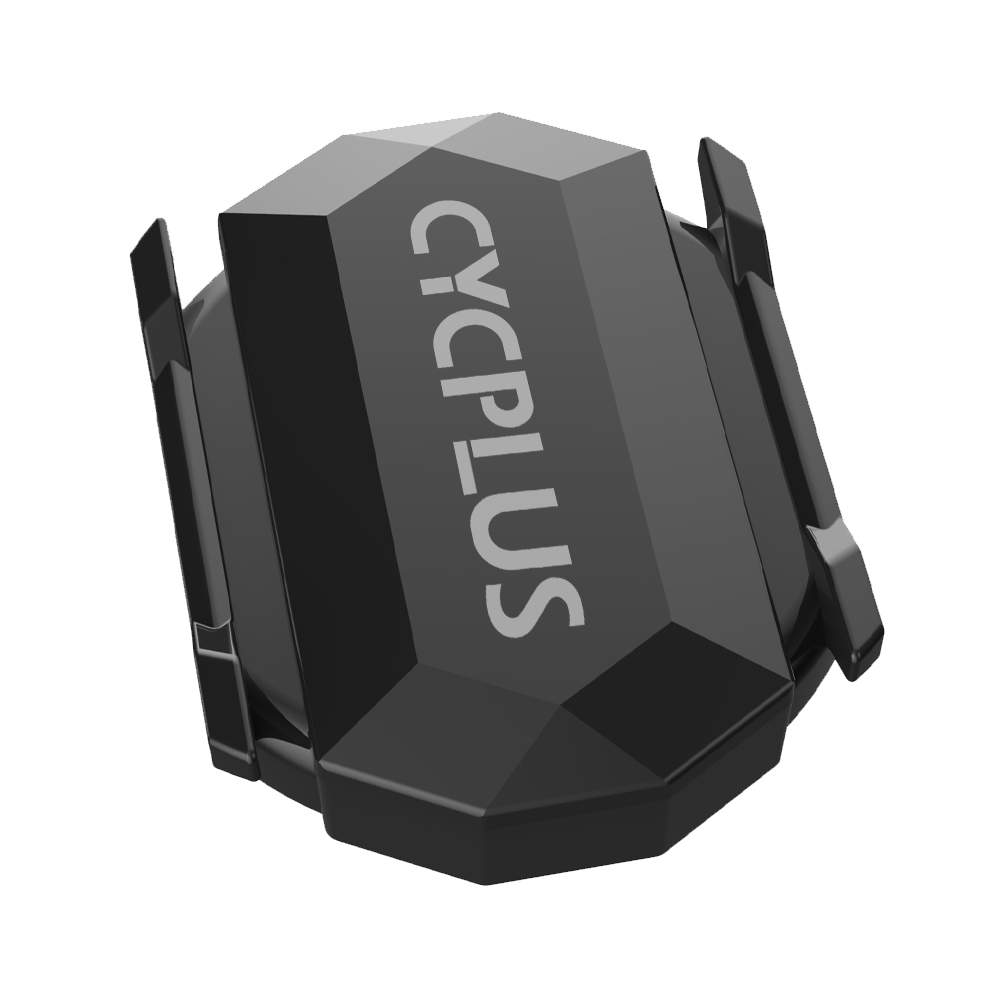
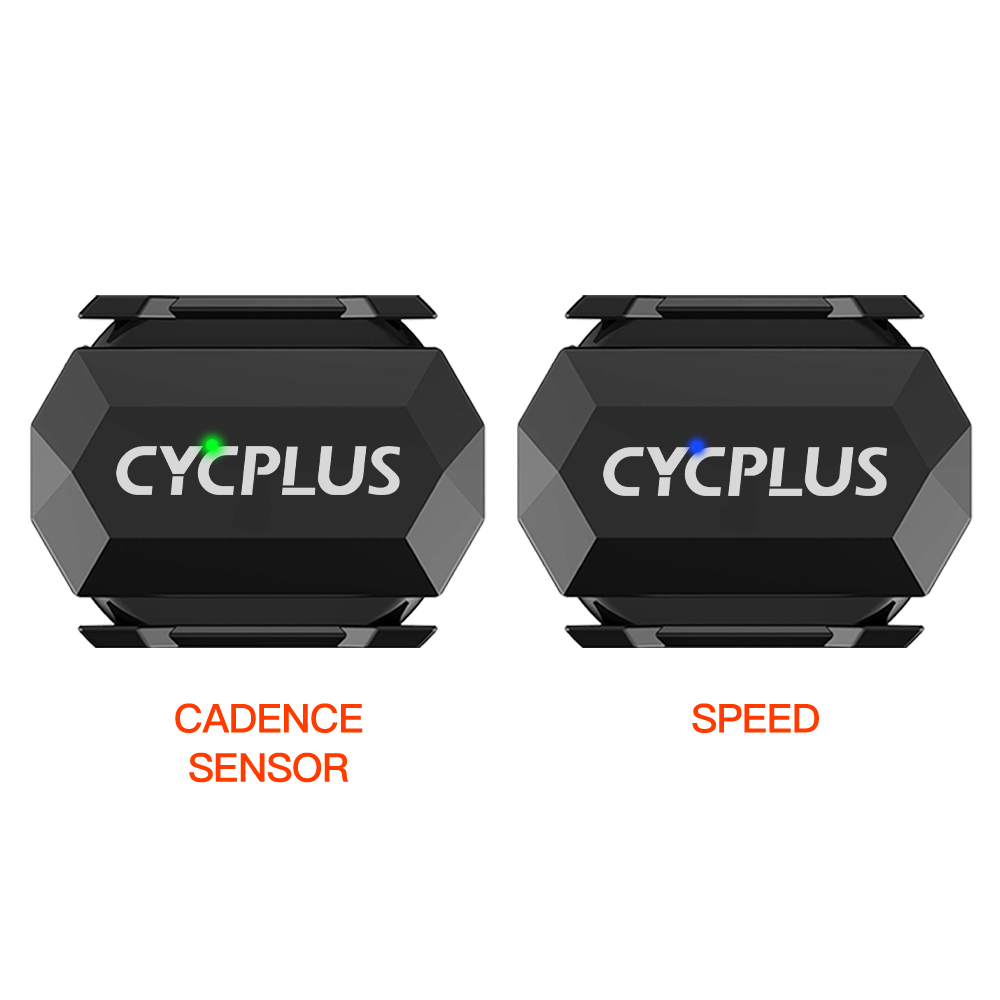
Featured Smart Electronics & Wireless Inflation Systems
Factory-calibrated hardware engineered to maintain operational consistency across extreme barometric variances, rugged topography, and demanding commercial cycles.
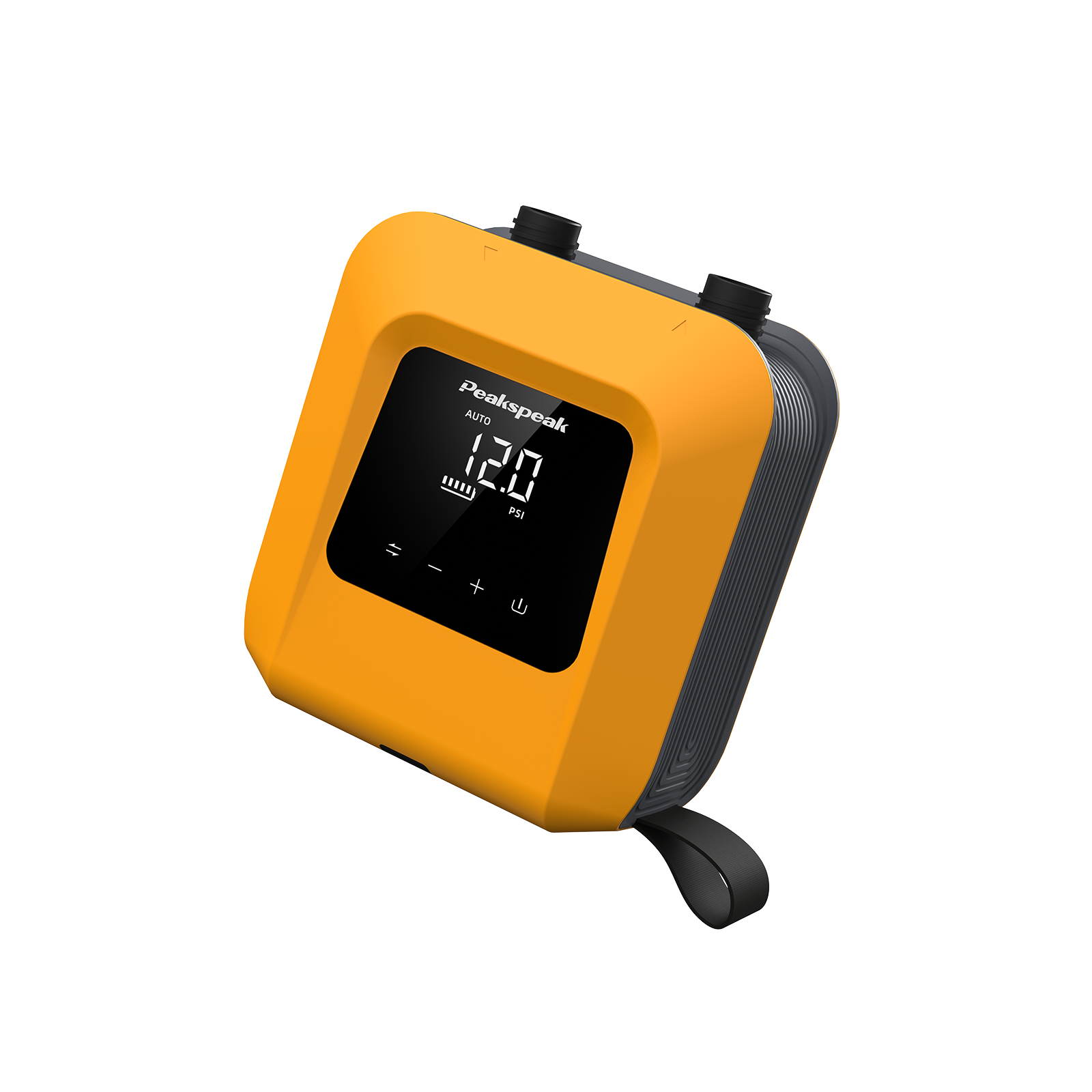
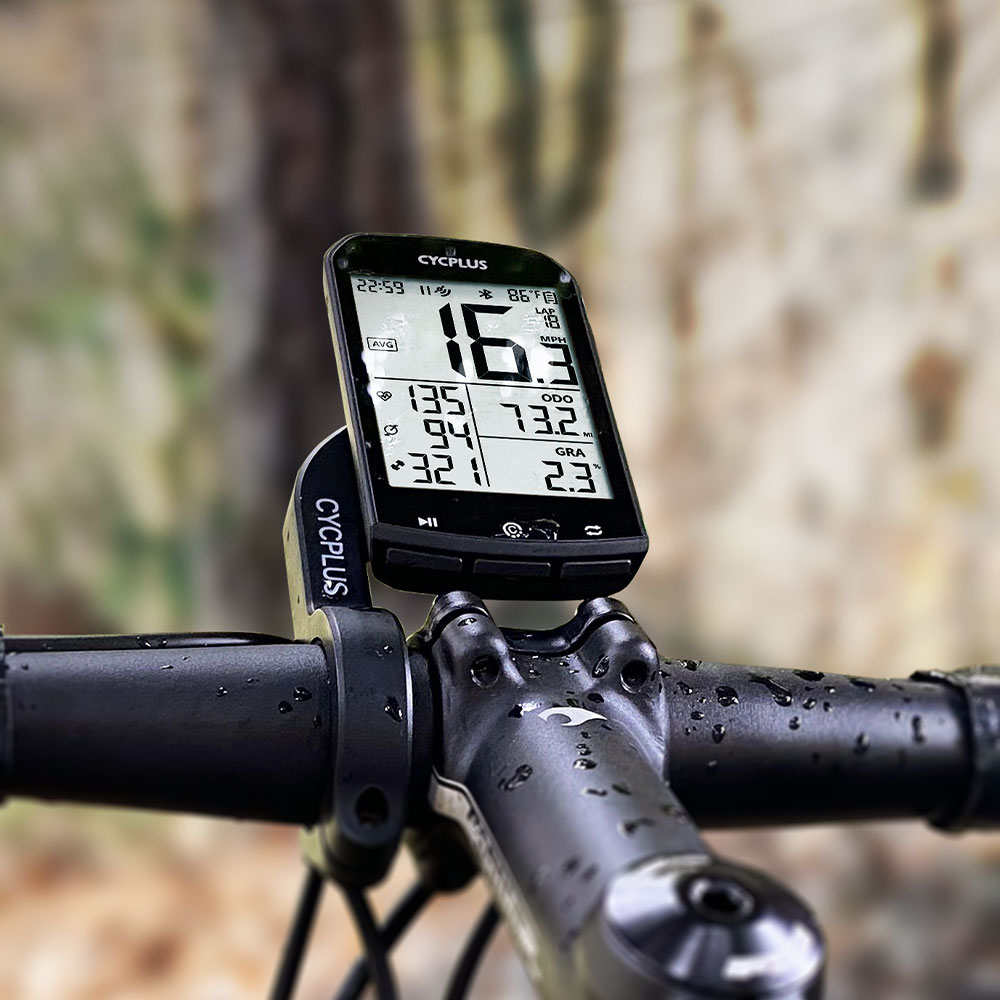
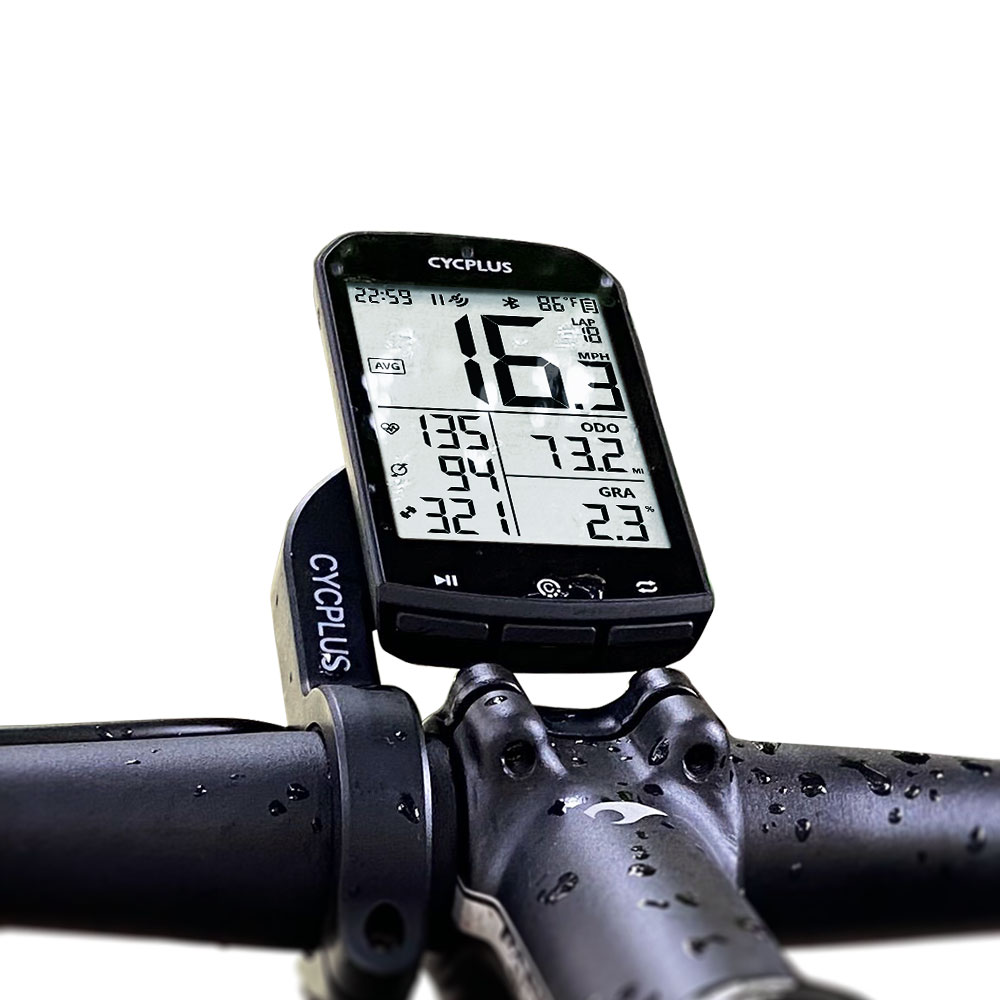
Andean Operational Context
Engineering for Cusco: High-Altitude Thermodynamics & Pneumatics
Deploying wireless pneumatic equipment in the Department of Cusco requires resolving distinct operational physics caused by hypobaric atmospheric pressures and severe diurnal shifts.
Hypobaric Atmospheric Calibration
At Cusco's mean elevation of 3,399 meters (11,152 ft) above sea level, atmospheric pressure drops from 101.3 kPa (sea level baseline) to approximately 68 kPa. Standard consumer-grade air pumps utilize factory-calibrated piezoresistive pressure sensors that assume a sea-level zero-point reference. When operated in the Sacred Valley or high-altitude passes like Abra Málaga (4,316 m), uncompensated pumps deliver skew errors exceeding 4.8 to 5.2 PSI. Our ODM wireless pumps integrate micro-machined absolute barometric compensation sensors (MEMS), dynamically calculating differential gauge pressure ($P_{gauge} = P_{absolute} - P_{ambient}$) to ensure real-time inflation accuracy and prevent tire-bead blowouts on tubeless gravel and downhill setups.
Thin-Air Heat Dissipation & Duty Cycle
Rarefied air at high Andean altitudes significantly lowers convective heat transfer coefficients. Micro-compressor motors compressing air to 120 PSI generate severe friction and heat in the piston cylinder head. In Cusco, standard heat sinks overheat 37% faster, tripping thermal cutoffs or degrading synthetic fluoroelastomer piston rings. Our custom OEM architectures utilize precision-machined aviation-grade 6063 aluminum alloy barrels paired with dual-duct heat venting architectures and brushless copper-core motors, providing sustained duty cycles required by commercial bike rental fleets without operational seizing.
Sub-Zero Thermal Battery Chemistry
High-altitude Andean mornings regularly see temperatures plummet to 0°C or below, followed by intense UV-driven solar thermal spikes reaching 22°C within hours. Standard lithium-ion pouch cells undergo severe internal lithium plating under high-rate discharge at sub-zero temperatures, resulting in sudden voltage sag and motor shutdown. We formulate our high-drain power cells with low-temperature electrolyte additives and implement custom Battery Management System (BMS) logic that prevents voltage collapse while delivering uninterrupted high-C discharge across harsh Peruvian terrain.
Regional Market Trends
Cusco & Southern Peru Pneumatics Commercial Outlook
Analyzing consumer transition from manual inflation tools to portable wireless pneumatic automation across adventure tourism, urban transport, and regional logistics.
The Adventure Tourism & Enduro Boom
Cusco stands as the epicenter of global adventure cycling in South America. The exponential expansion of guided enduro, cross-country (XC), and gravel expeditions traversing the Inca trails and Ausangate circuits has shifted support-gear requirements. Guided tour operators can no longer afford manual frame pumps that consume valuable guide energy and lack digital precision. High-capacity, pocket-sized wireless compressors that easily slip into guide packs are rapidly becoming standard-issue safety equipment required by inbound international travel agencies.
Fleet Electrification & Micromobility
Urban delivery couriers, motorcycle taxi networks, and light electric vehicle (LEV) commuter networks across Cusco, Wanchaq, and San Jerónimo are rapidly adopting electric mobility. Maintaining optimal tire pressure directly affects battery range, which is depleted quickly on steep Andean gradients. Commercial logistics fleets are actively outfitting maintenance stations and mobile delivery agents with ruggedized wireless inflators that deliver precise PSI control, reducing rim impacts caused by rough cobblestone pavement and unpaved secondary roads.
Chancay Port Multi-Modal Supply Shift
With the opening of the Chancay Mega-Port infrastructure along the Peruvian coast, maritime transit times from our manufacturing facilities to Peru have dropped significantly. Importers in Cusco and the southern macro-region can now achieve lower freight consolidation overhead, quicker SKU replenishment cycles, and minimized container handling costs. This infrastructure unlock enables regional distributors to scale private-label inventories with reduced inventory overhead and direct containerized logistics through Callao and Matarani corridors.
Factory Footprint & Verified Rigor
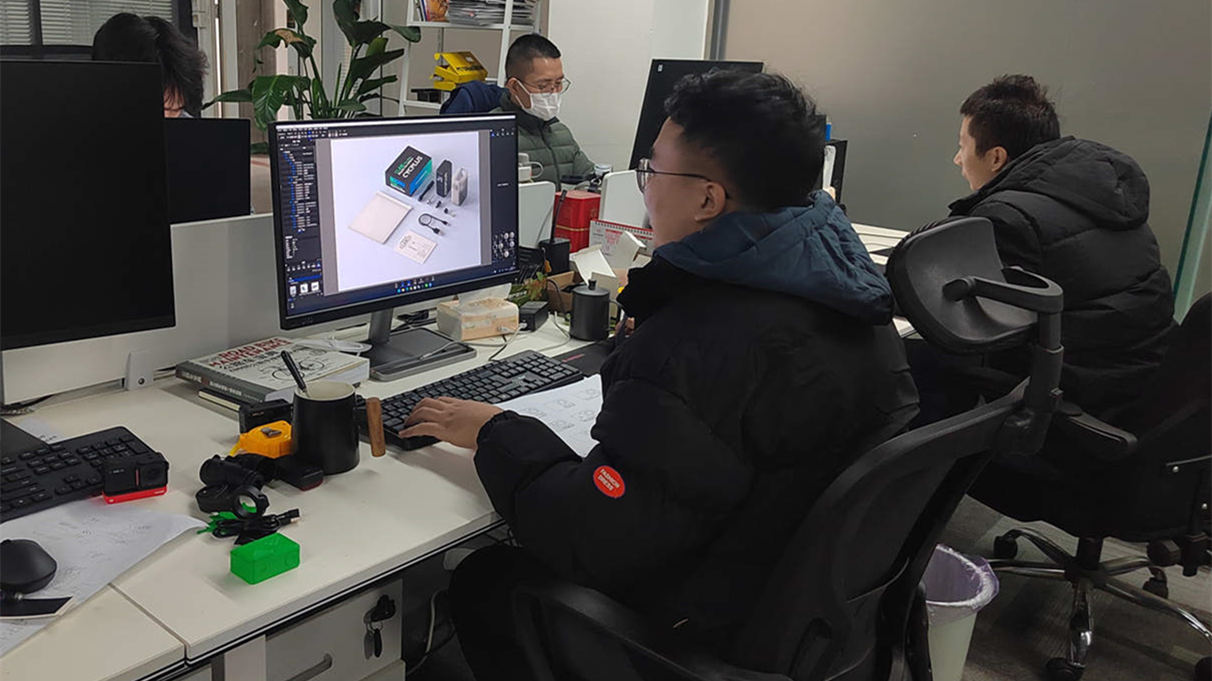
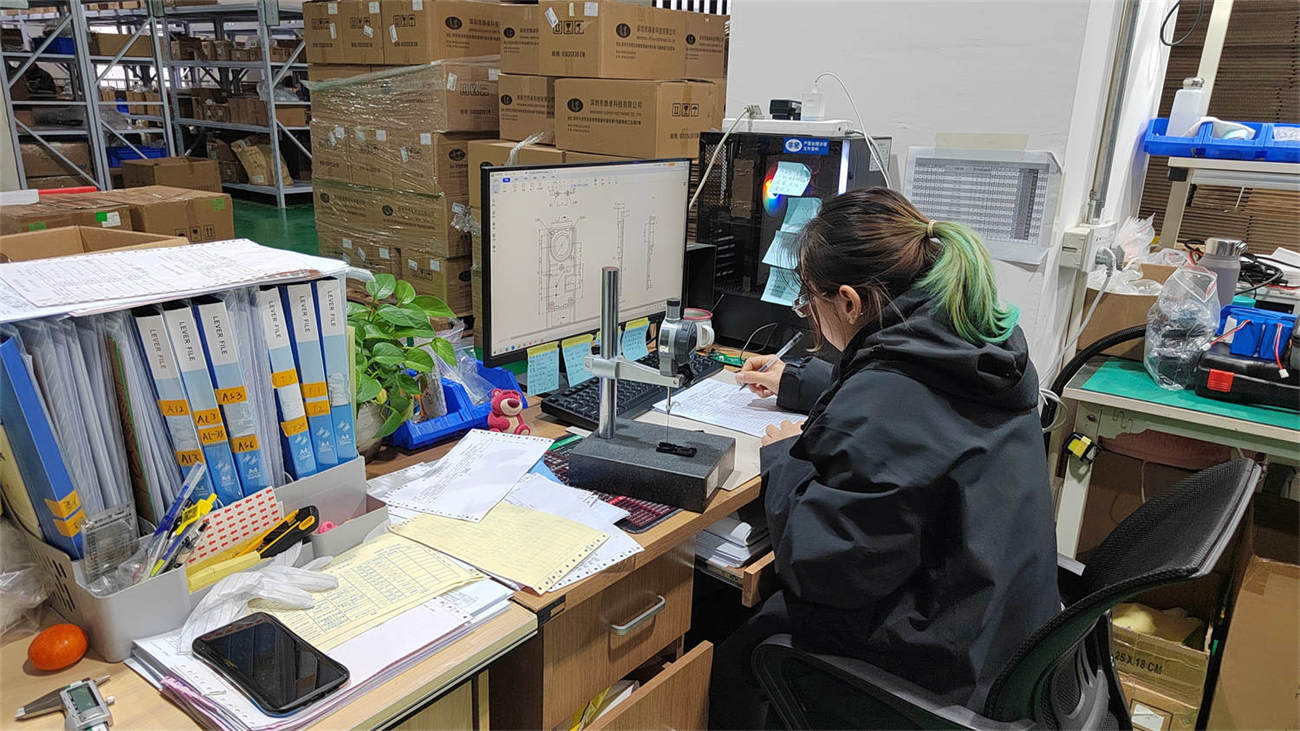
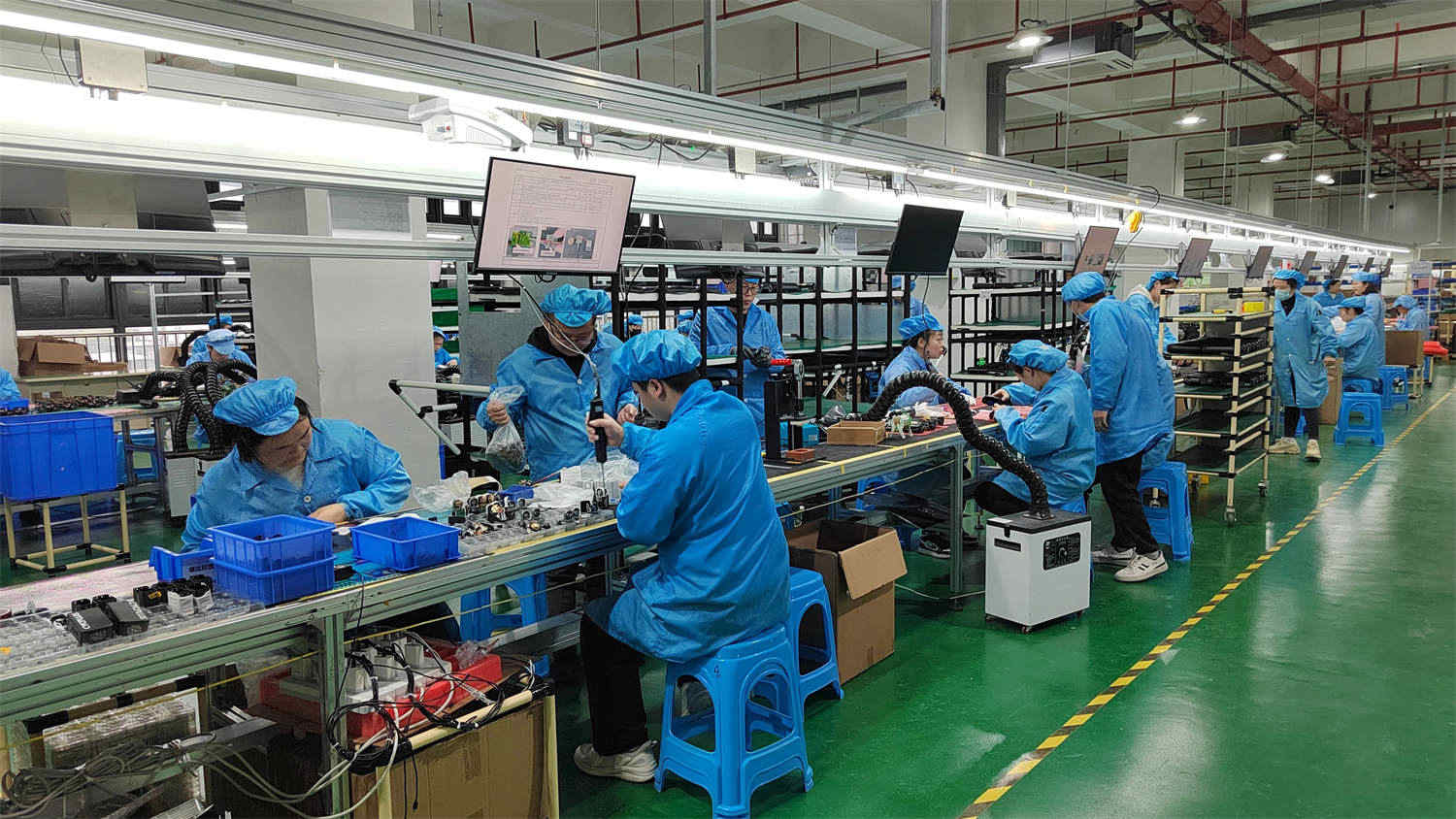
SGS-Verified Manufacturing Facilities & OEM/ODM Capabilities
Direct factory collaboration backed by over 11 years of engineering excellence, certified on-site production infrastructure, and dedicated global export teams.
11 Yrs
Cycling Hardware Engineering
195
Dedicated Staff & Engineers
3,780 m²
State-of-the-Art Production Facility
US$ 22M+
Annual Verified Turnover
Procurement Due Diligence
Frequently Asked Questions for Cusco Importers & Wholesalers
Addressing import logistics, customs tariffs, private labeling, and technical specifications for commercial distributors in Southern Peru.
What are the import procedures, customs duties, and documentation required for Peru (SUNAT)?
Our wireless tire air pumps fall under HS Code 8414.20 (manual or mechanical air pumps) or HS Code 8414.80 (other air compressors). Under the Free Trade Agreement between China and Peru, eligible products import with a 0% preferential ad valorem tariff rate when accompanied by an authentic Form F Certificate of Origin (Certificado de Origen). Importers are responsible for Peru's 18% IGV/IPM (Impuesto General a las Ventas) and applicable perception fees for first-time importers. Our export trade desk provides complete sets of commercial invoices, packing lists with detailed battery declarations (UN38.3, MSDS), and bills of lading formatted specifically to streamline SUNAT customs clearance at Callao or regional entry points.
What is the Minimum Order Quantity (MOQ) for custom private labeling and packaging?
To support regional brands and expanding distribution companies in Cusco, our baseline sample evaluation MOQ starts as low as 2 units for standard models. For minor customizations—including laser-etched brand logos, localized Spanish packaging, and customized quick-start user guides—our production line accommodates trial volumes starting at 200 to 500 units. For full ODM partnerships involving customized housing colors, custom firmware auto-stop sequences, and molded accessories, our baseline starts at 1,000 units with complete tooling support.
How do lithium battery logistics regulations impact air versus sea freight to Peru?
Our portable compressors contain integrated high-drain lithium-ion battery cells, classifying them under UN3481 (Lithium Ion Batteries Contained in Equipment). For expedited air shipments via carriers like DHL or air cargo lines to Jorge Chávez International Airport (LIM), packages must adhere to strict IATA Section II Dangerous Goods packaging directives, maintaining battery state of charge (SoC) under 30%. For commercial sea freight consolidated via LCL or full 20ft/40ft containers directly into Callao, all cargo travels with full MSDS documentation, UN38.3 drop test verification, and maritime transport safety reports.
Can the micro-compressor hardware handle mixed commercial valve standards out of the box?
Yes. Every unit ships with an interchangeable dual-valve chuck that connects seamlessly to both Presta (high-pressure road, gravel, and performance MTB setups) and Schrader (utility commuter, motorcycle, and automotive valves) interfaces without external adapters. We also include ball needles and inflatable adapters within standard retail packs, allowing retail partners in Cusco to market the SKUs across multiple outdoor, recreational, and utility categories.
What is your warranty resolution mechanism for defective units distributed in Peru?
As an SGS-verified manufacturer, our outgoing Defective Parts Per Million (DPPM) is maintained below 0.3%. To account for international return economics, we offer commercial importers an integrated warranty buffer policy. For containerized shipments, we allocate an agreed percentage (typically 1.0% to 1.5%) of spare replacement units, core PCB logic boards, and pump seal assemblies free of charge, enabling distributors in Cusco to provide immediate local exchange service to their retail clients without reverse logistics back to China.
Direct Manufacturer Partnership
Scale Your Brand in Cusco & the Andean Region
Direct technical consultations, comprehensive OEM sample validation, and optimized export logistics managed by our multilingual international engineering and trade specialists.
