High Versatility
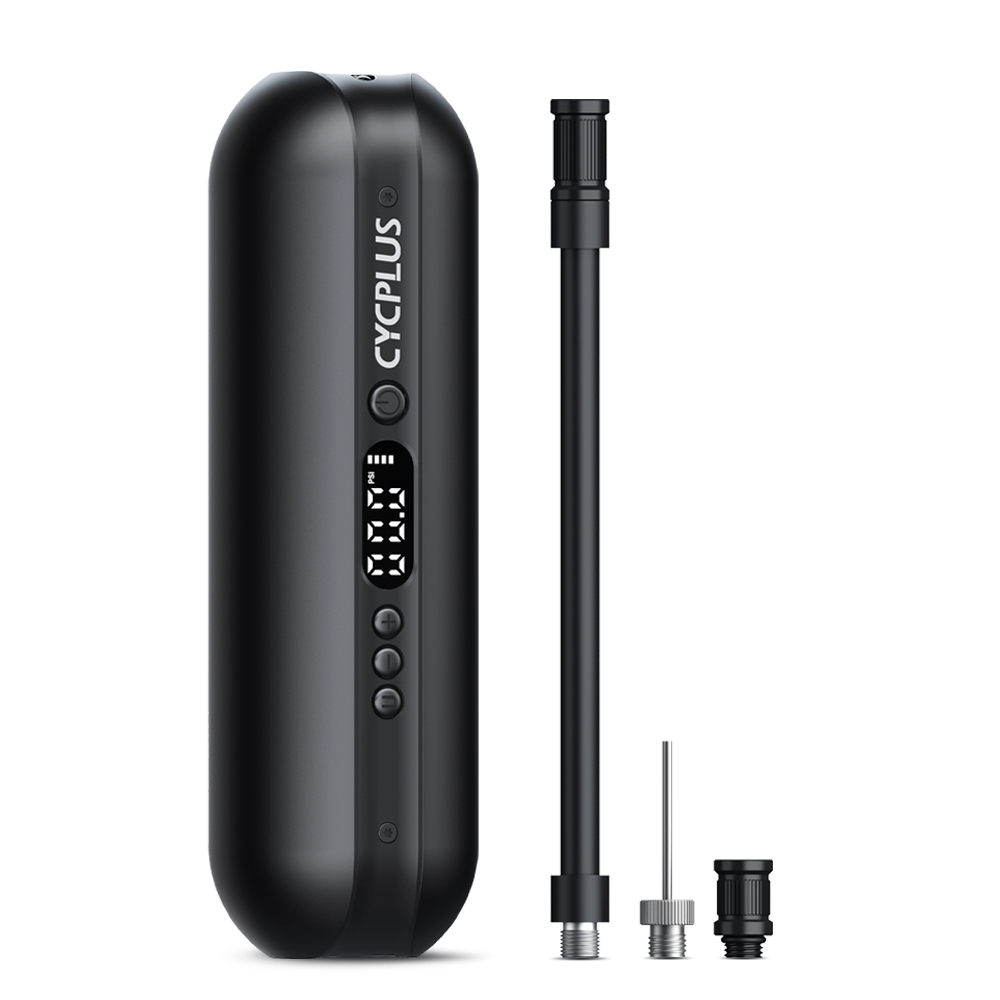
CYCPLUS Hot Sale Mini Portable Cordless Tire Inflator Air Pump for Bike, Bicycle, Car & Motorcycle
Max 150 PSI
Rechargeable Li-ion
Multi-Valve Adapter
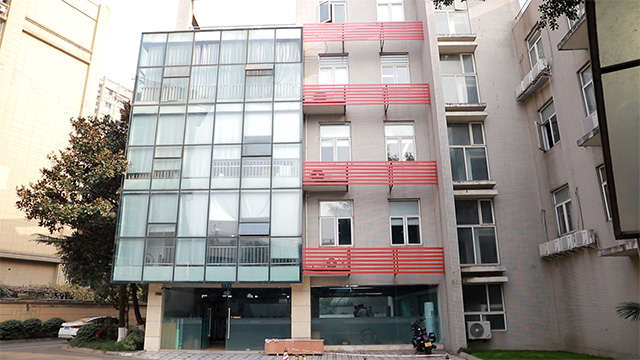
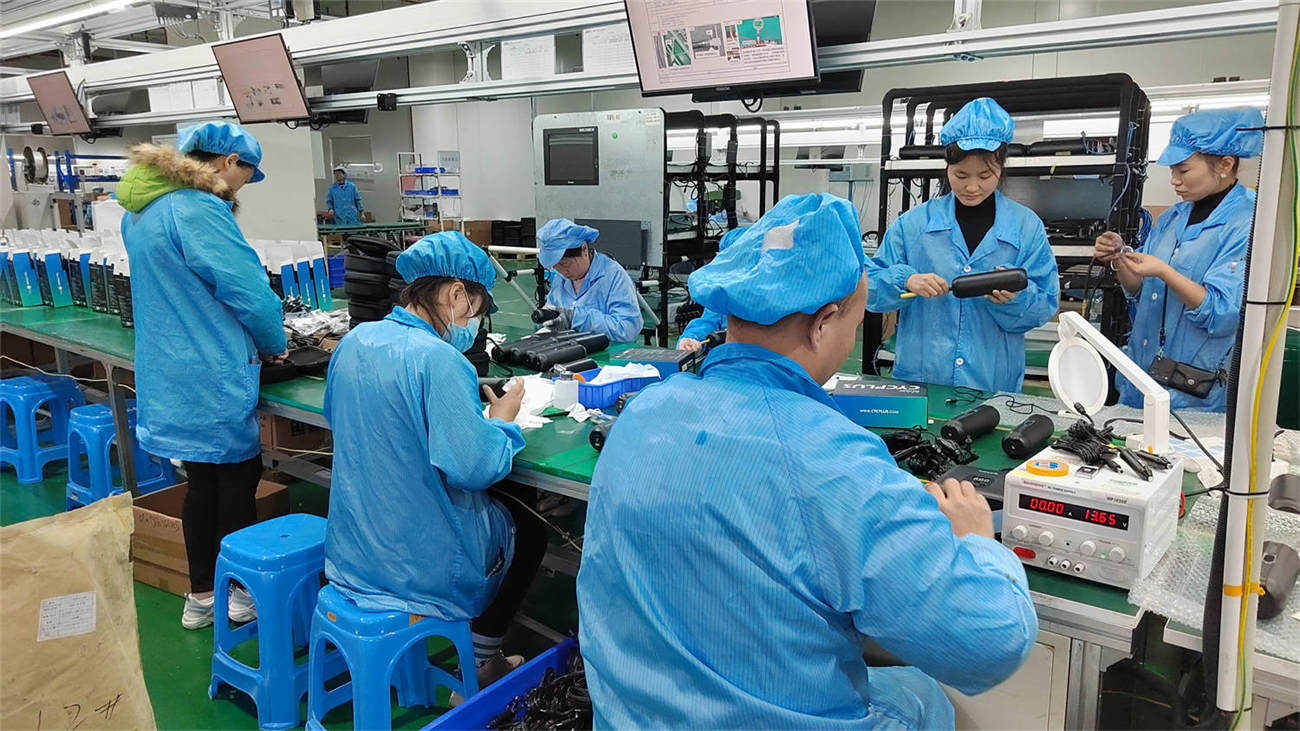
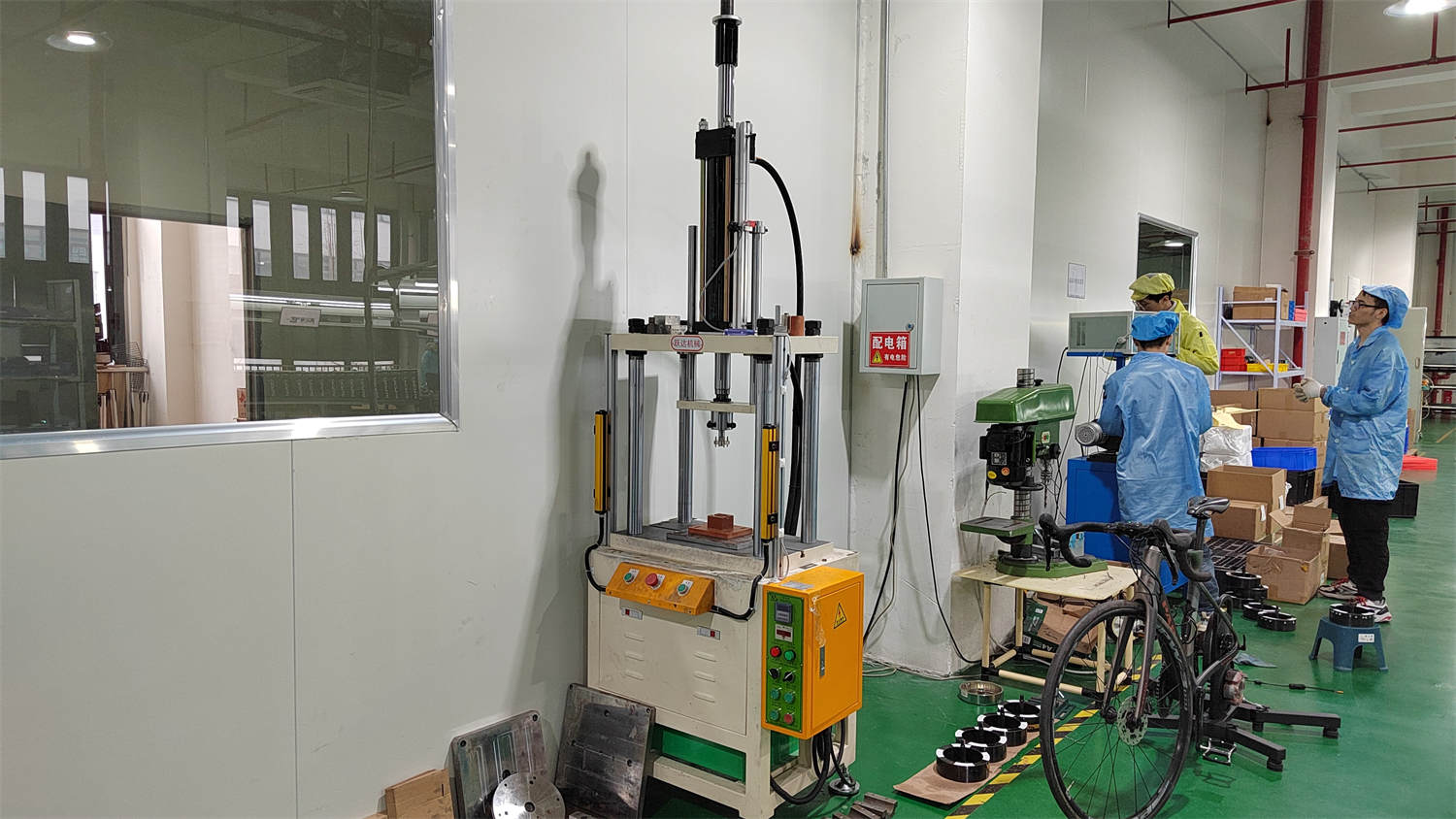
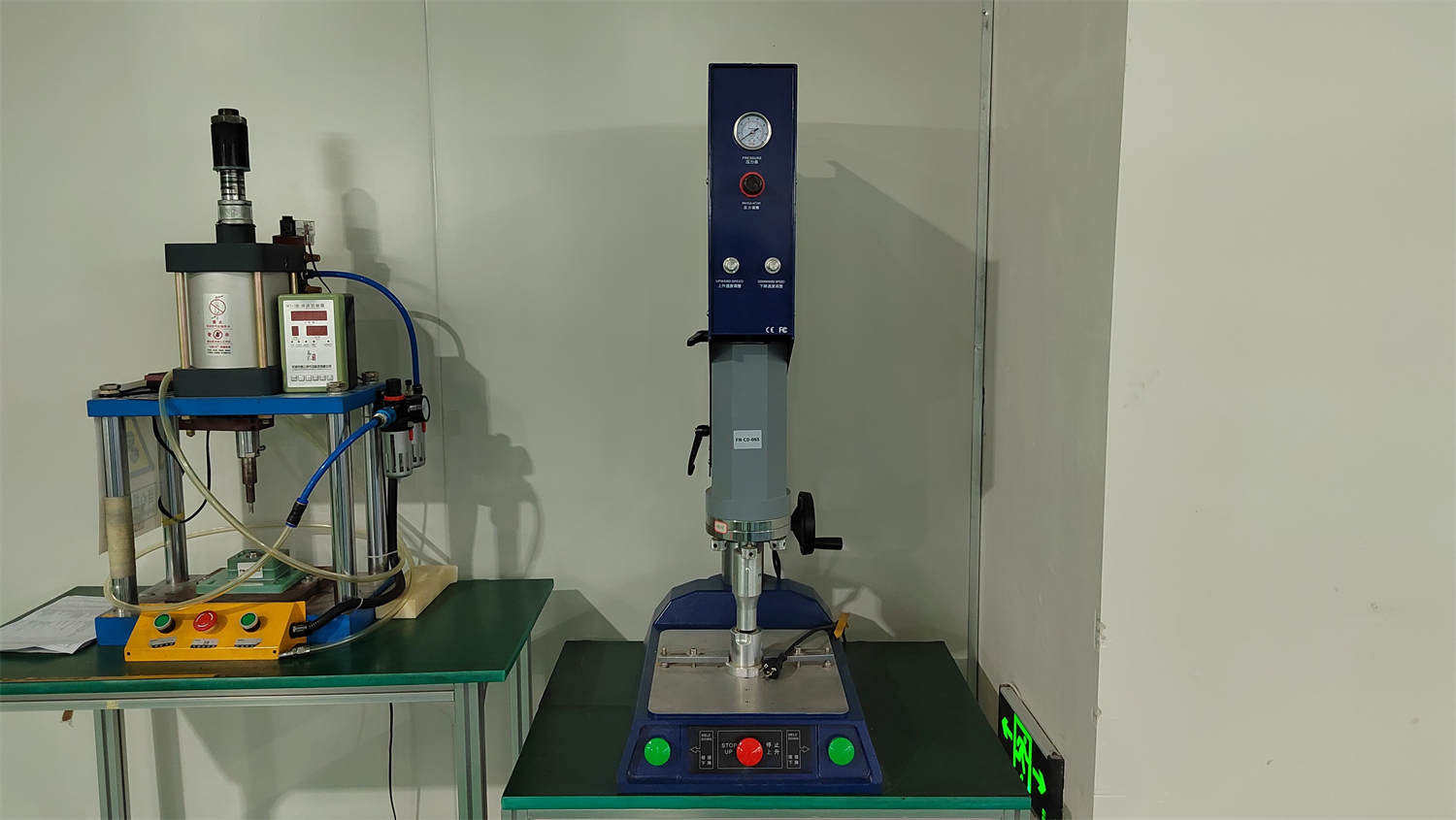
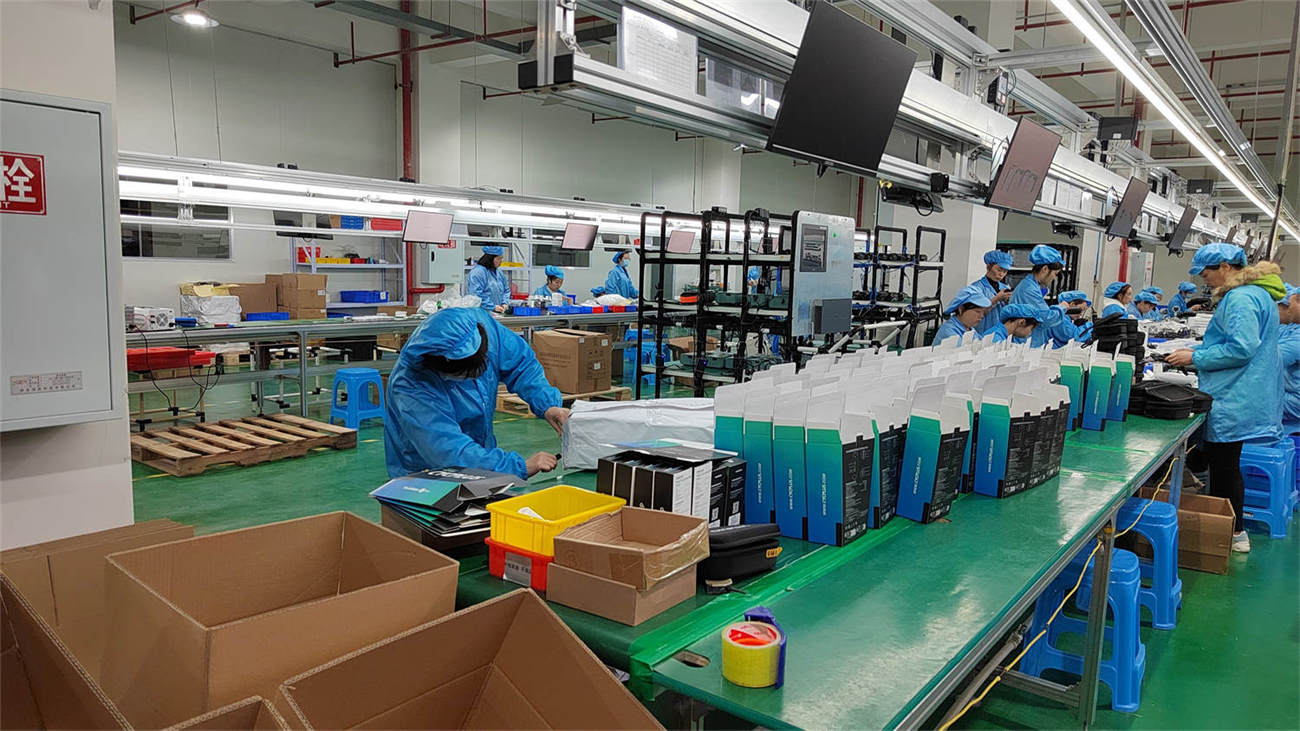
Every portable inflator and digital telemetry module is manufactured in our SGS-inspected Chengdu plant, featuring sub-zero thermal compensation, dual-piston volumetric efficiency, and precision auto-stop cutoffs.
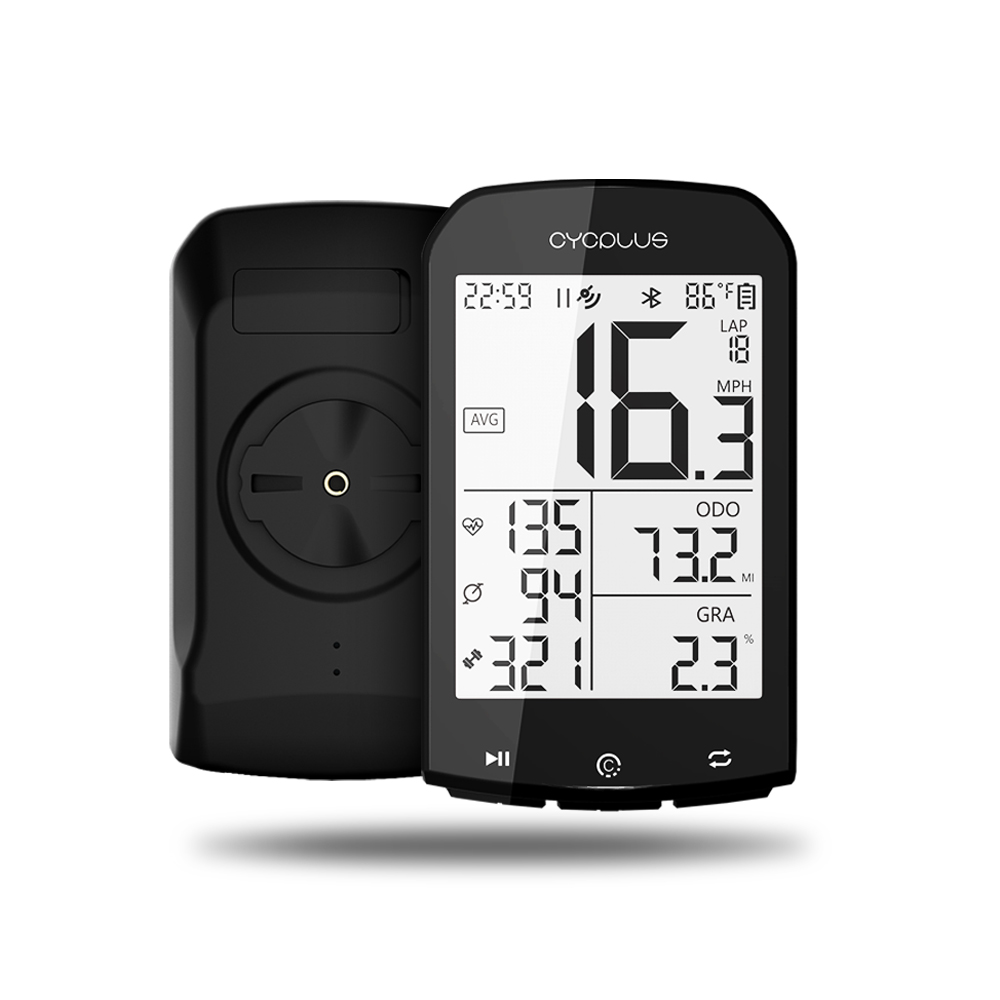
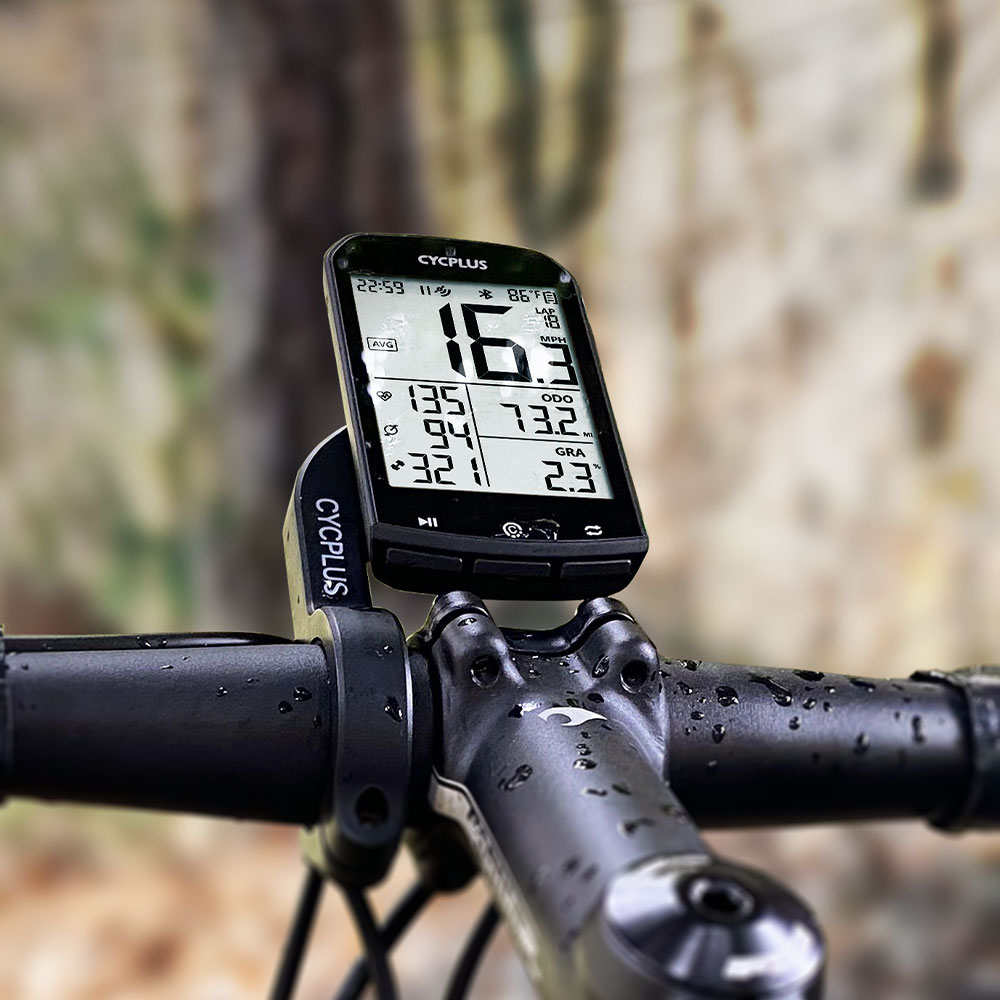
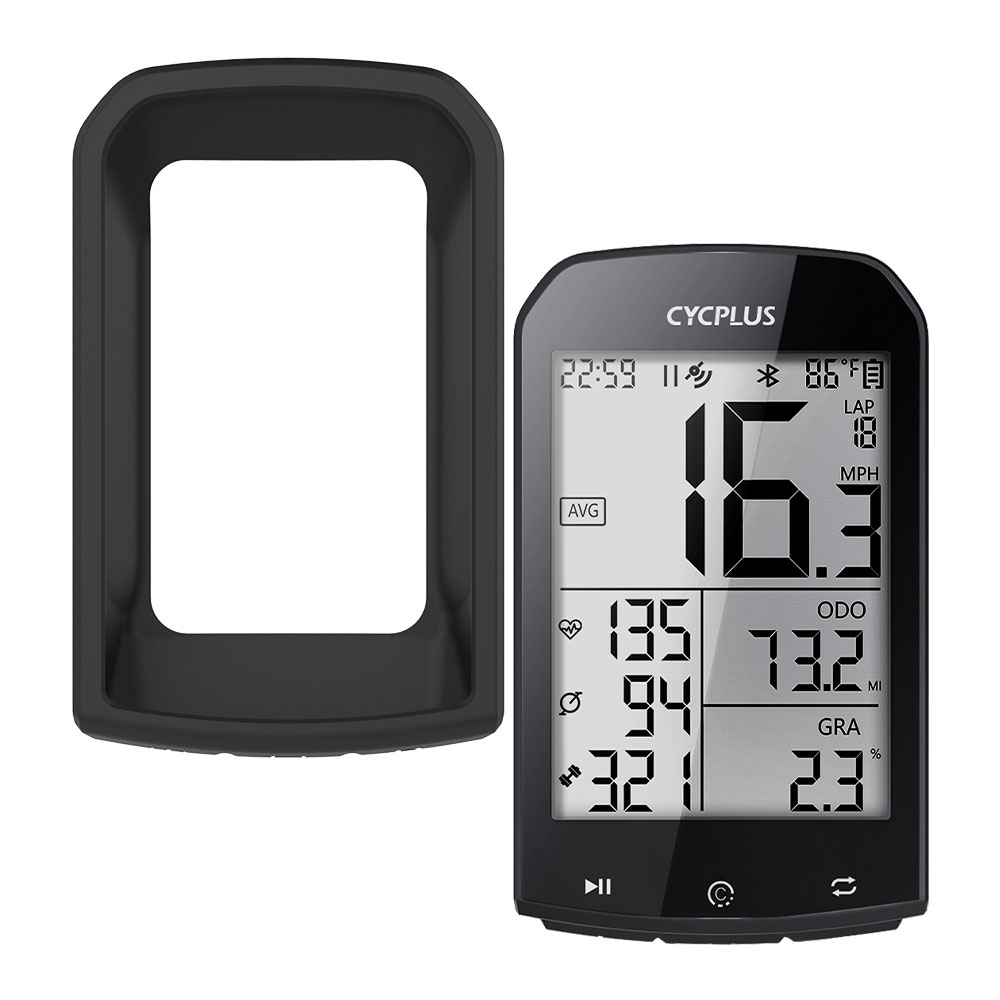
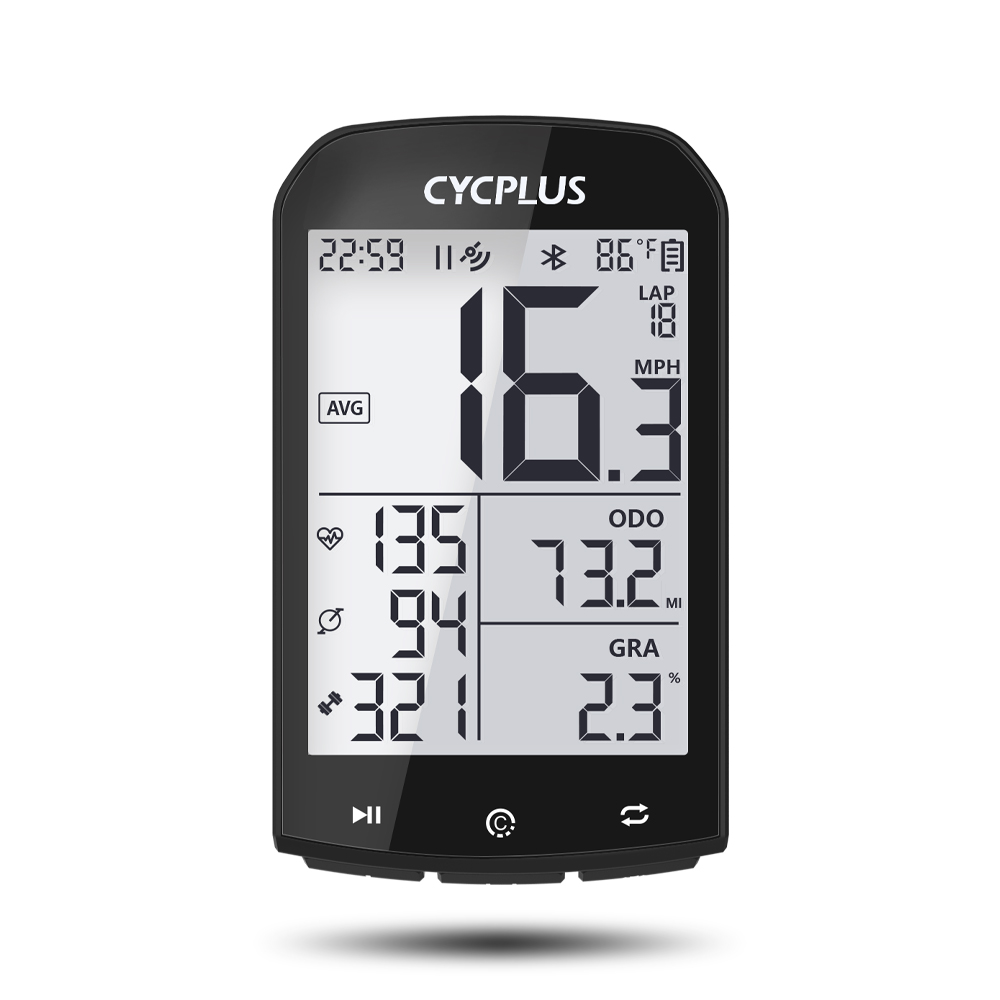
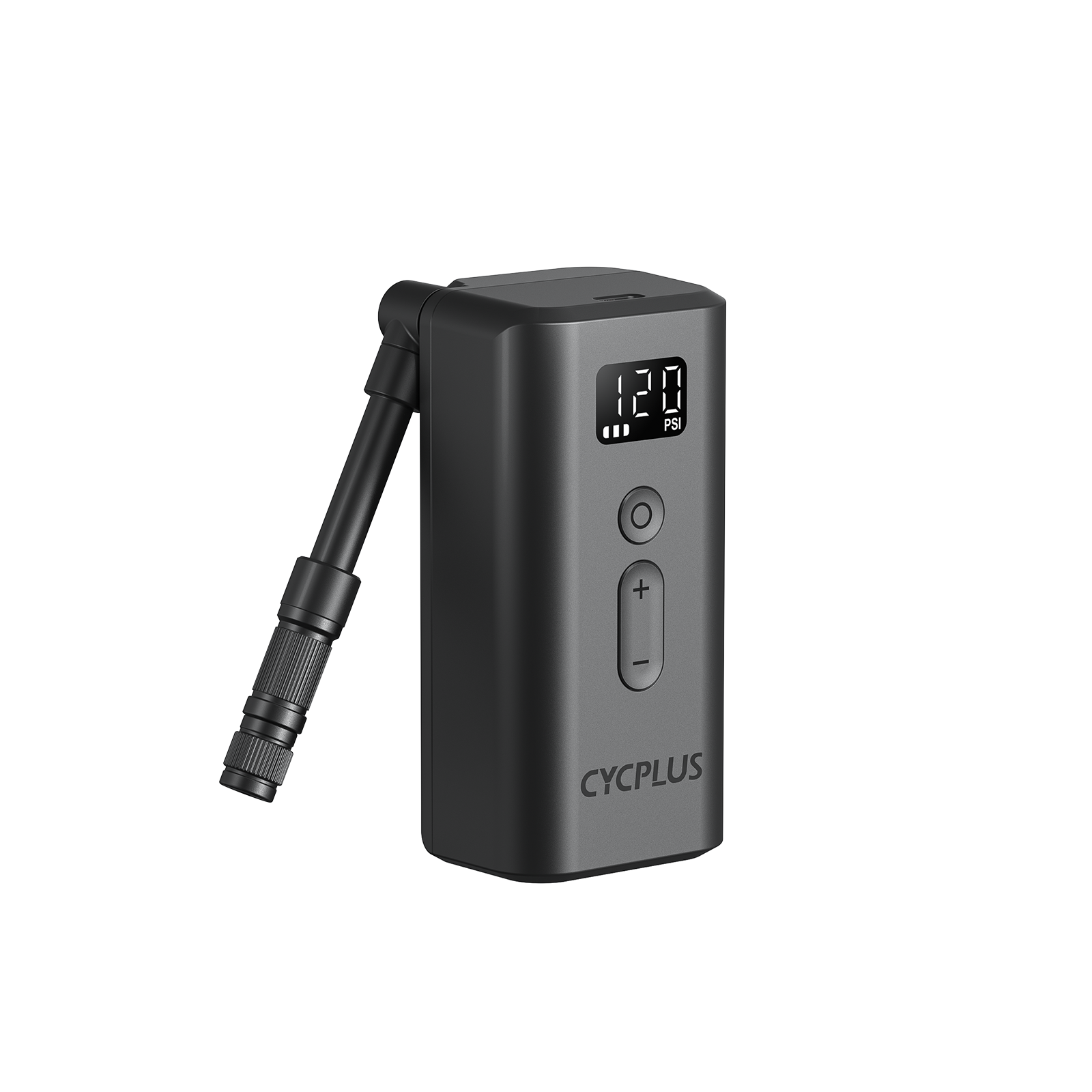
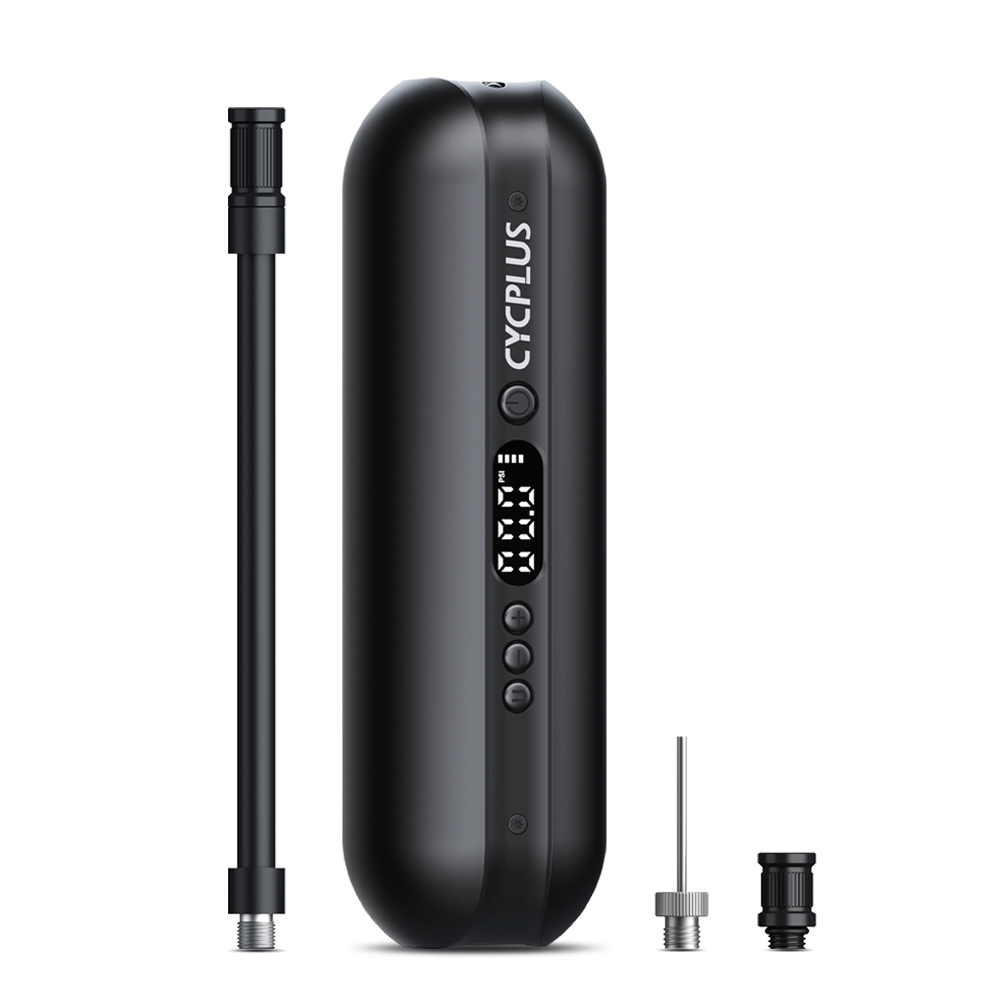
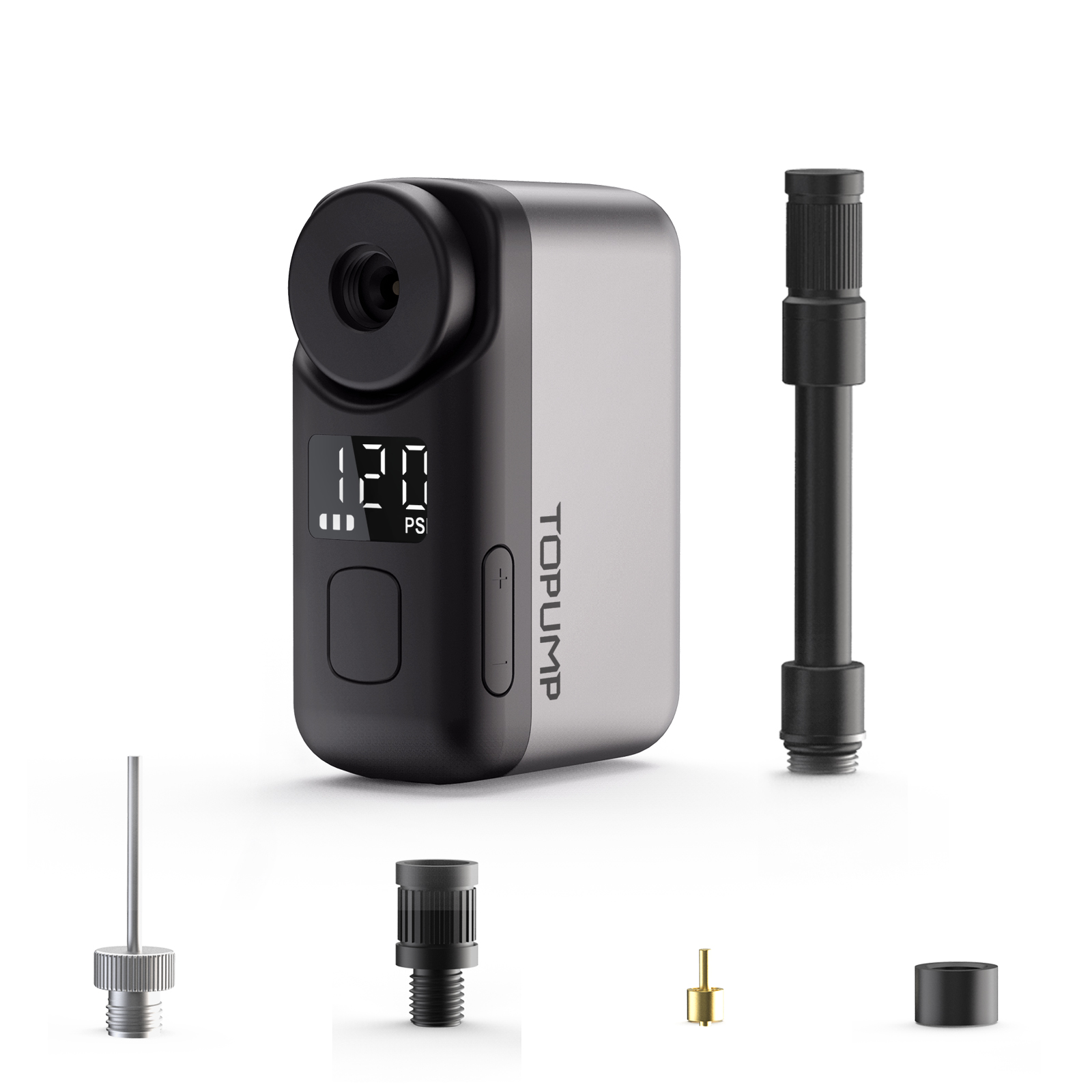
Designing cordless inflation electronics for Canada involves tackling severe mechanical and electrochemical challenges. From the maritime humidity of Nova Scotia to the persistent -35°C winters of Alberta and Northern Ontario, standard off-the-shelf consumer pumps suffer from rapid battery voltage collapse, stiffened nitrile seals, and sensor drift.
Under Gay-Lussac's Law, air pressure drops by approximately 1 PSI for every 5.5°C (10°F) drop in ambient temperature. In Canadian transition seasons, vehicles and commercial fleets experience a sudden 4–7 PSI drop overnight. Our pumps integrate temperature-compensated piezoresistive silicon pressure sensors with dynamic recalibration algorithms, ensuring accurate delivery regardless of whether inflation is performed in a heated garage or an exposed parking lot at -25°C.
Standard high-density cobalt cells exhibit severe internal resistance spikes and thermal shutdown below -10°C. For our Canadian-bound supply lines, JUNE integrates low-temperature electrolyte battery cells certified to UN 38.3, paired with hardware-level Low-Temperature Cutoff (LTCO) and intelligent pre-warming circuit topologies that protect cell health during severe cold starts on highways such as the Trans-Canada or the Coquihalla pass.
Standard NBR (Nitrile Butadiene Rubber) O-rings and valve gaskets turn brittle at sub-zero temperatures, causing air leakage across cylinder head manifolds. Our factory equips Canadian product lines with fluorosilicone elastomer seals (FVMQ) and PTFE piston rings that maintain elastic modulus and airtight seals down to -40°C, preventing internal pressure drop during high-duty inflations.
Procuring pneumatic hardware for the Canadian market requires addressing regional diversity. Retailers and distributors serving the British Columbia commuter market encounter distinct expectations compared to commercial distribution hubs across Ontario or resource exploration outfits in the Northwest Territories.
Compare our micro-compressor and telemetry architectures against real-world Canadian operational criteria.
| Hardware Category | Target Application in Canada | Operating Temp Range | Pneumatic / Sensor Specs | Regulatory & Compliance Standards |
|---|---|---|---|---|
| Sub-Zero Automotive Micro-Compressor | Automotive emergency kits, roadside assistance fleets, seasonal winter tire changeovers | -30°C to +50°C | 0–150 PSI (0.5 PSI tolerance), 28L/min cylinder output, auto-stop threshold | ICES-003 Issue 7 (Class B), CE-EMC, RoHS, UN38.3 |
| Pro Commuter Pocket E-Pump | Urban e-bike commuters, road racers, gravel touring (Vancouver, Montreal, Toronto) | -15°C to +45°C | 0–120 PSI, dual Presta/Schrader chuck, integrated high-contrast OLED display | ICES-003, CE-RED, REACH chemical compliance |
| High-Volume Low-Pressure SUP / Snow Inflatable Pump | Lakeside tourism (Muskoka, Okanagan), ski resort trail markers, winter watercraft storage | -10°C to +40°C | 0–20 PSI high-volume stage (dual-stage radial impeller + piston secondary) | cULus power components, CE, FCC Part 15B |
| Telemetry & GPS Speedometers | Fleet route verification, gravel bike expeditions, winter trail fat-biking logs | -25°C to +55°C | Dual GNSS (GPS + GLONASS + Galileo), 150h flash log, anti-condensation casing | ICES-003, IPX7 ingress certification |
A strategic convergence of e-mobility incentives, strict seasonal tire regulations, and outdoor recreation expansion is driving Canadian distributor procurement forward.
In Quebec, the Highway Safety Code mandates winter tires from December 1 to March 15; in British Columbia, designated highways require winter or all-weather tires from October 1 to April 30. This structural shift creates bi-annual consumer demand spikes for home-garage tire balancing and portable digital compressors that eliminate trips to frozen gas station pumps.
With infrastructure investments across major Canadian metropolitan hubs like Montreal's REV network and Vancouver's separated bikeways, micro-mobility commuting has evolved into a year-round discipline. Riders rely on high-pressure portable electric pumps capable of handling tubeless setups and narrow Presta high-pressure tires on the go.
Canadian automotive chains, sporting goods retailers, and outdoor co-ops are shifting away from unbranded generic devices toward private-label portfolios. JUNE's in-house industrial tooling, CNC machining, and laser-marking systems offer low-friction private label customization with low sample MOQs starting from 2 units.
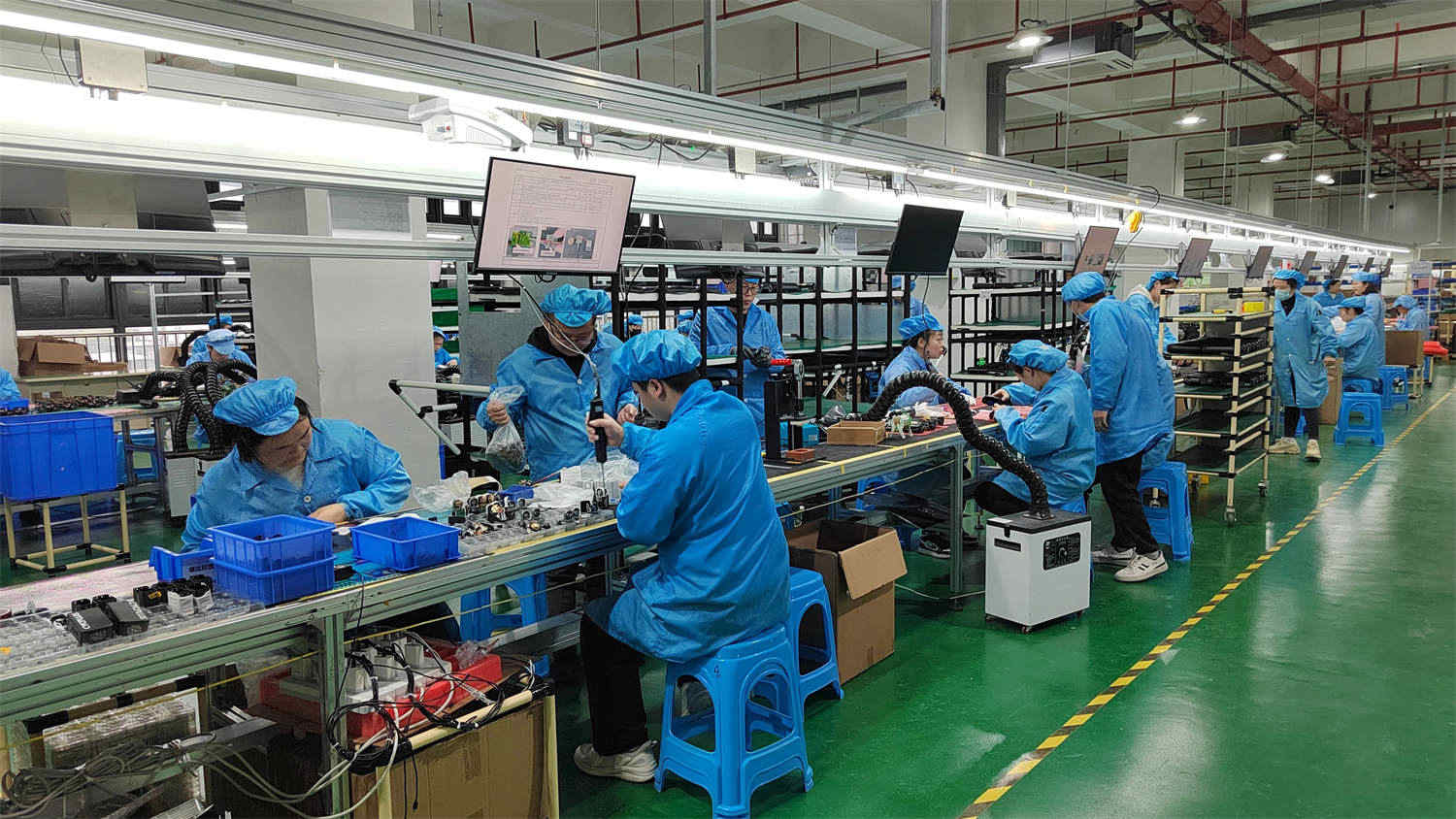
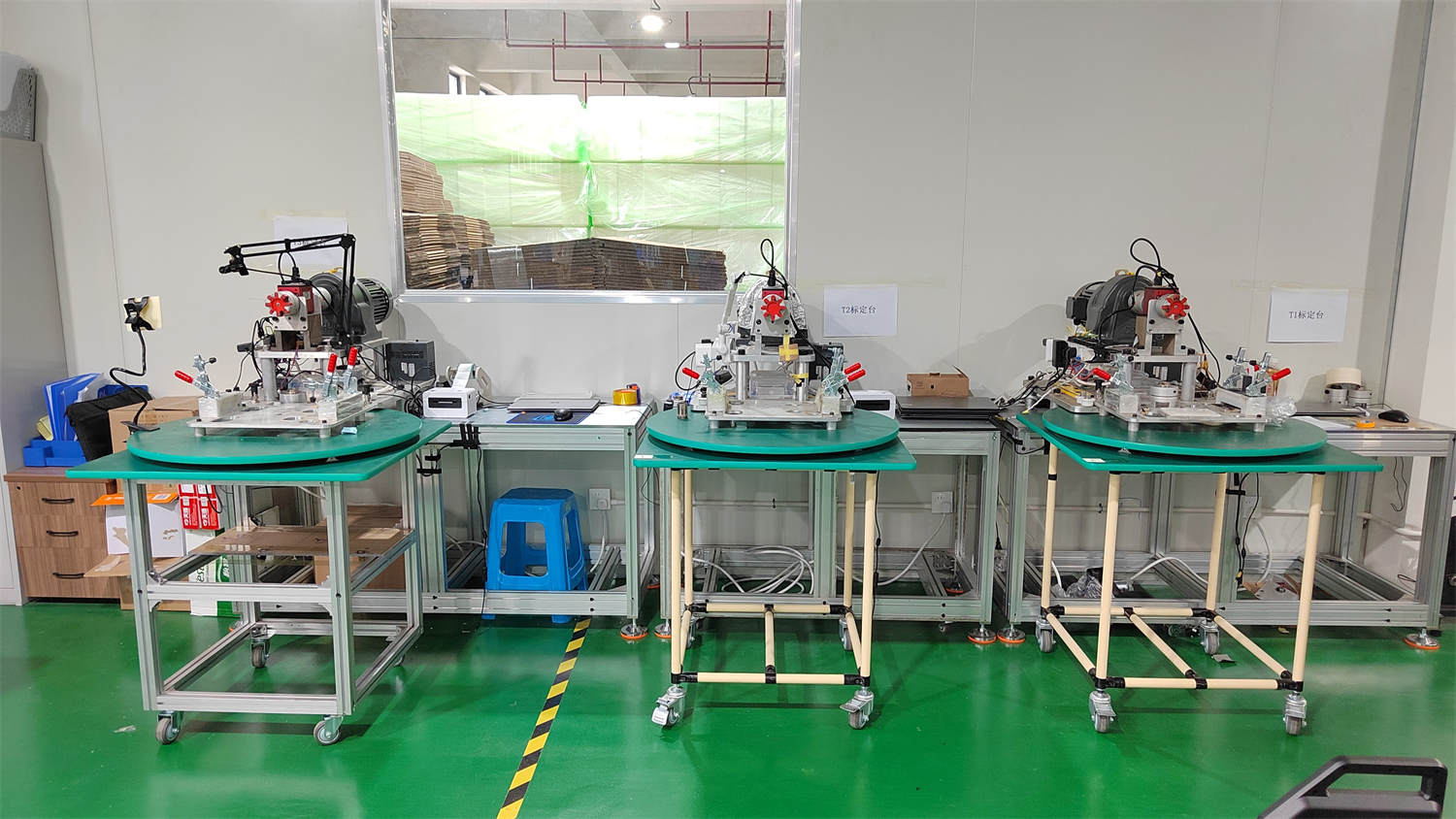
Unlike trading brokers, JUNE Intelligent Technology operates full-cycle vertical production. From raw alloy incoming inspection to SMT firmware writing and automated pressure calibration, every process is conducted in-house.
Clear, definitive answers to help your import, product management, and compliance teams make confident procurement decisions.
Yes. In Canada, digital devices and micro-compressors with switching circuitry are classified under Innovation, Science and Economic Development Canada (ISED) requirements as interference-causing equipment (ICES-003 Issue 7, Class B for residential/commercial environments). Our electronic models are developed to pass radiated and conducted emissions limits, and we provide complete EMI test reports along with bilingual CAN ICES-003(B) / NMB-003(B) compliance labels.
Absolutely. We regularly handle retail-ready OEM/ODM packaging tailored for the Canadian market. This includes dual-language English/French outer packaging, safety inserts, warranty literature, and bilingual display firmware labels in full compliance with Canada's Consumer Packaging and Labelling Act and Quebec's Charter of the French Language (Bill 96).
All our battery-powered products are certified under UN 38.3, including drop, shock, altitude simulation, and thermal cycling tests. Products are accompanied by certified MSDS and dangerous goods declarations for sea-freight entry into the Port of Vancouver or Port of Montreal, as well as air-express shipments under IATA Section II PI966/PI967 guidelines.
For standard stock evaluations, our MOQ starts from just 2 pieces, allowing technical and commercial teams to conduct lab verification and cold-chamber tests. For custom laser-marked branding and custom-printed bilingual retail packaging, our production MOQ starts from 500 to 1,000 units depending on the model and customization depth.
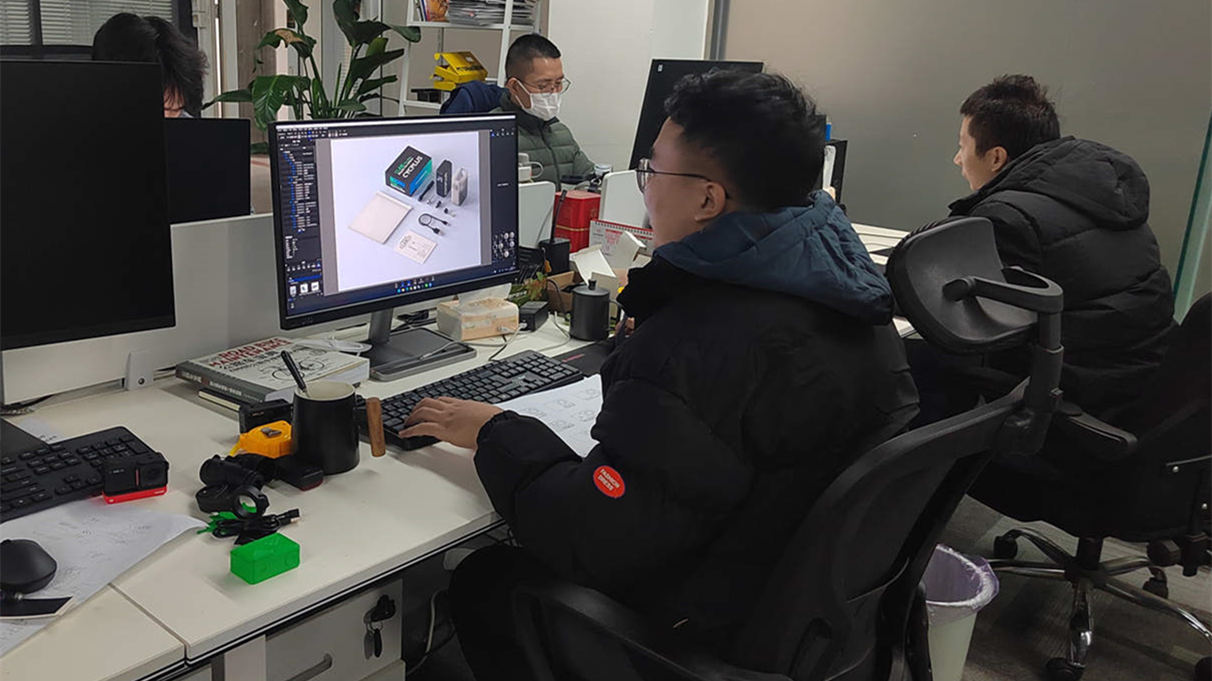
Yes. In addition to minor branding customizations (laser etching, custom color molding, and bilingual box design), our 195-person team offers sample-based and brief-based ODM services. We manage industrial exterior design, mechanical tooling, PCB layout, firmware creation, and pre-production molding validation entirely under one roof.
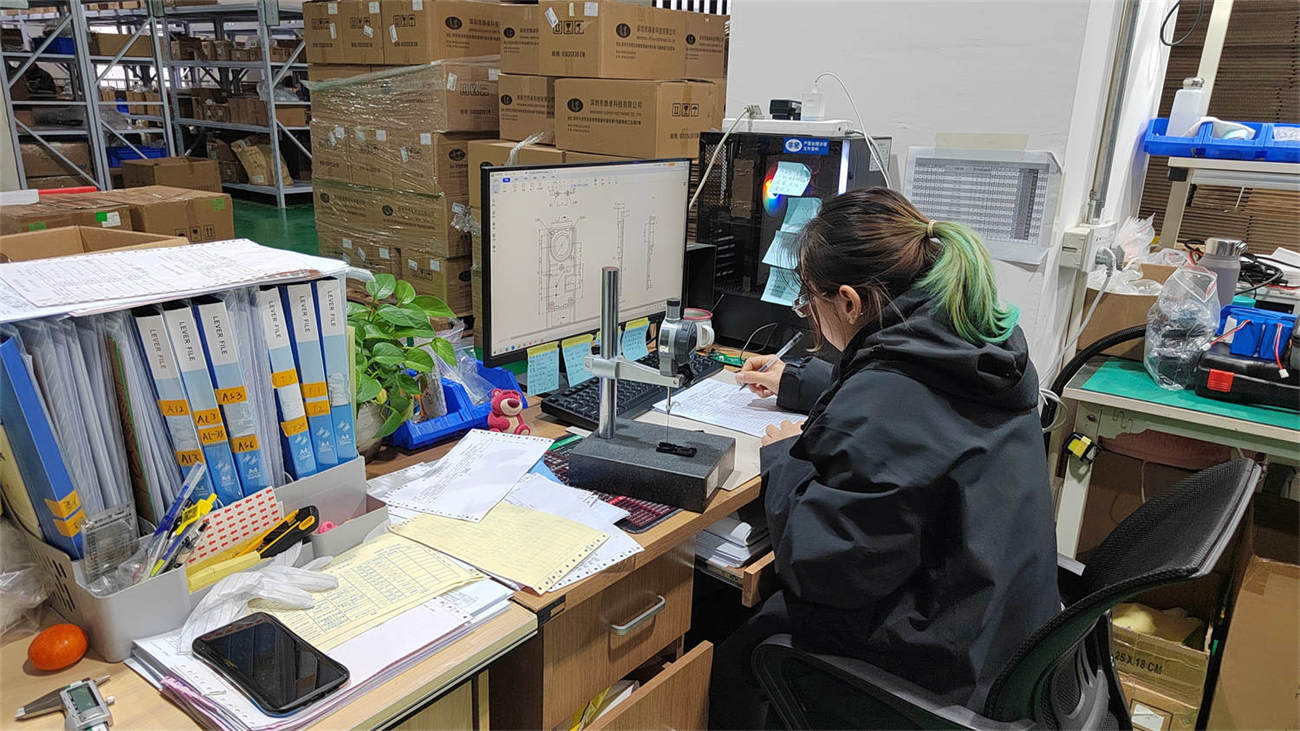
Every air inflator unit undergoes a 100% pneumatic pressure retention test and dynamic load check before packaging. We verify pressure cutoff sensors against calibrated digital master gauges and utilize DC power supply benches to monitor motor current draw across simulated loads. Our facility's quality management is verified on-site by SGS Group.
We support FOB (Shenzhen/Shanghai/Hong Kong), CIF (Vancouver, Prince Rupert, Montreal, Halifax), and full DDP door-to-door terms to your distribution hub in Toronto, Calgary, Montreal, or Vancouver. Our 35-person international trade department manages logistics, export documentation, and customs clearance paperwork seamlessly.
Yes. In addition to high-pressure compact pumps, we supply low-pressure adapters, brass Presta-to-Schrader screw chucks, needle adapters for sports equipment, flexible cold-rated rubber air hoses, and mounting brackets designed to secure inflators safely onto bicycle frames during rough, sub-zero rides.
