Precision Hardware Ecosystem
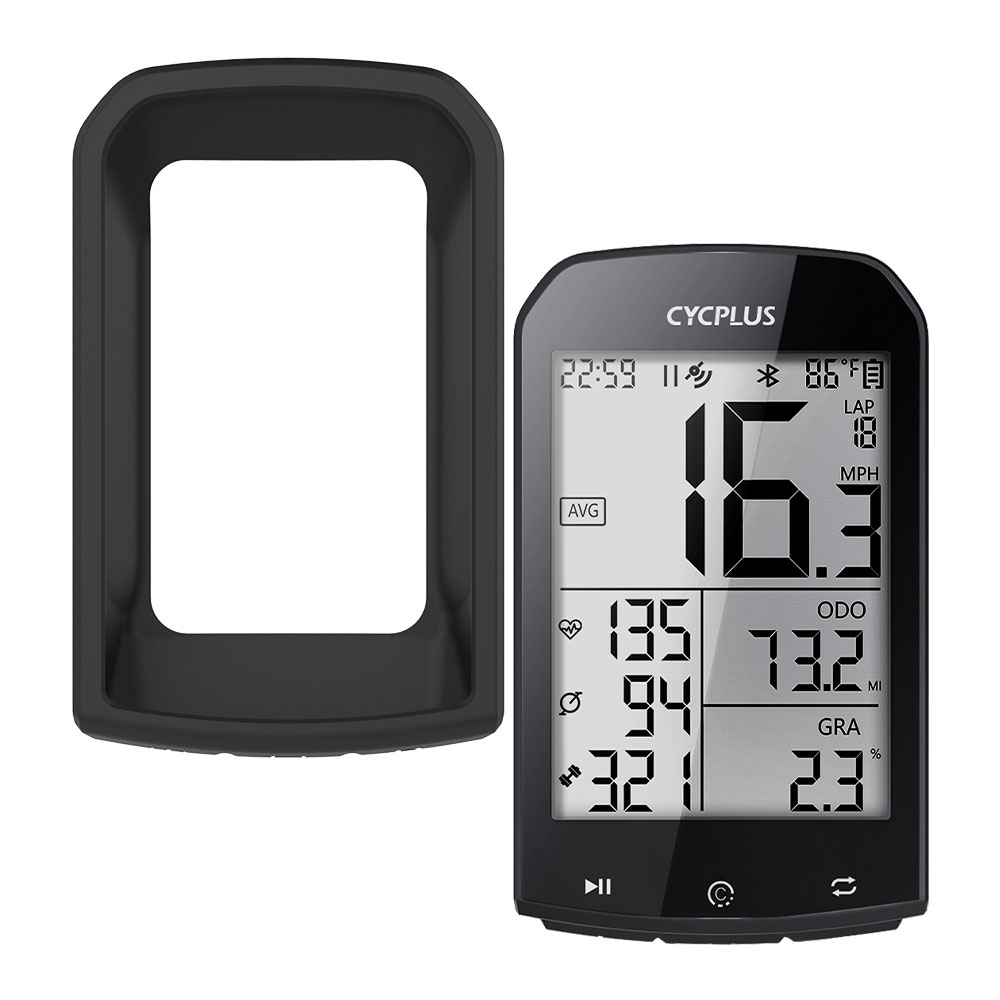
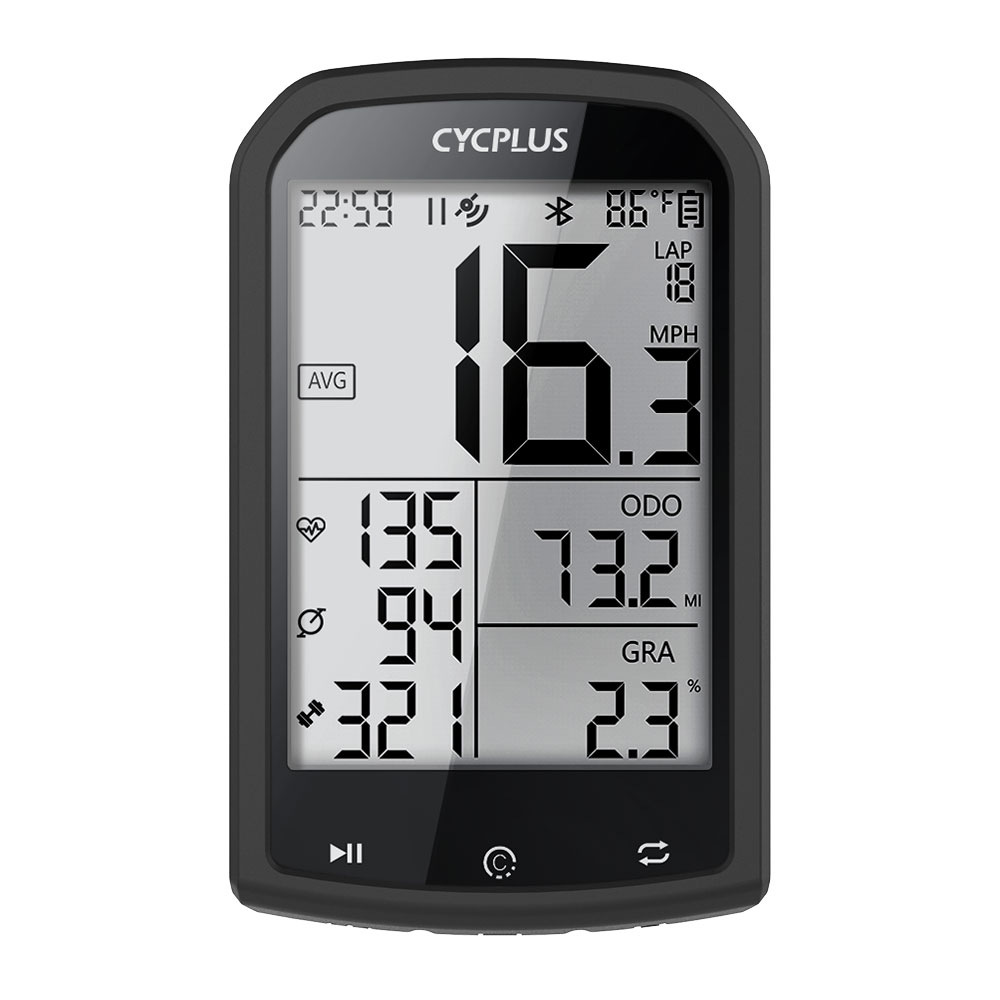
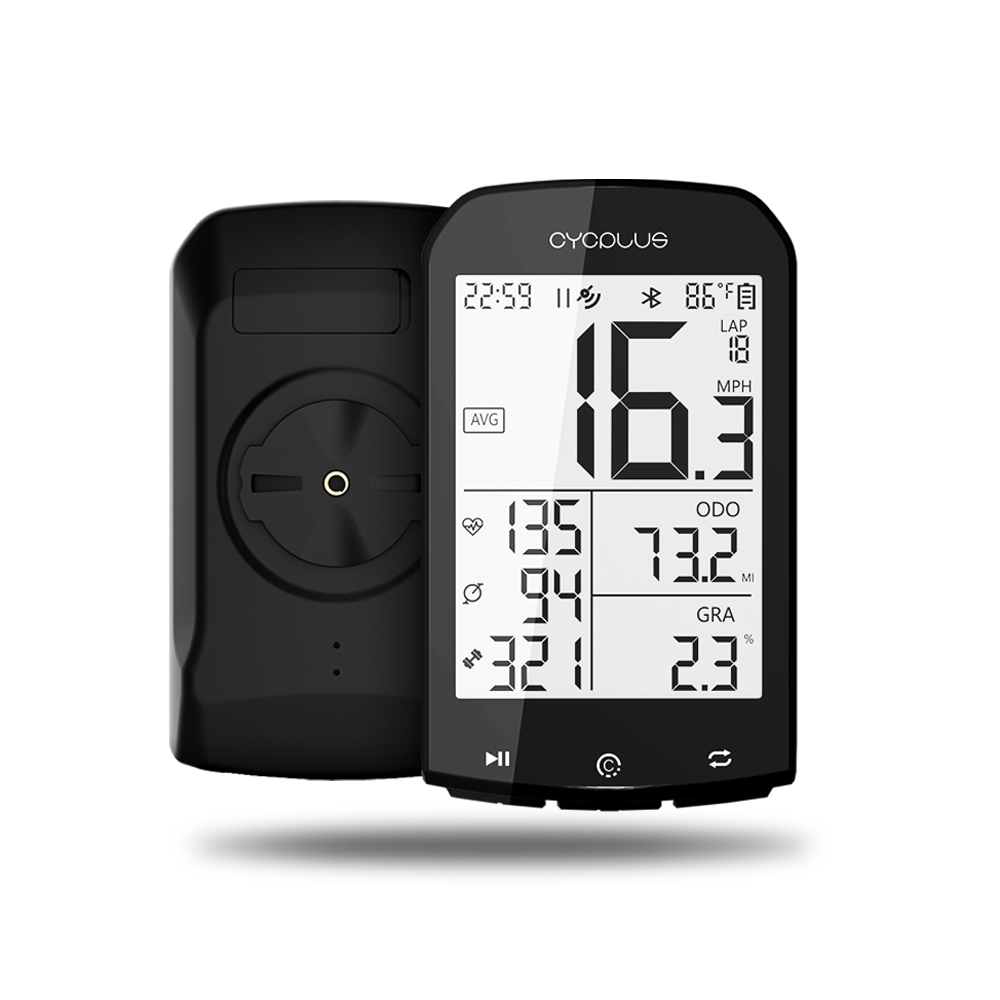
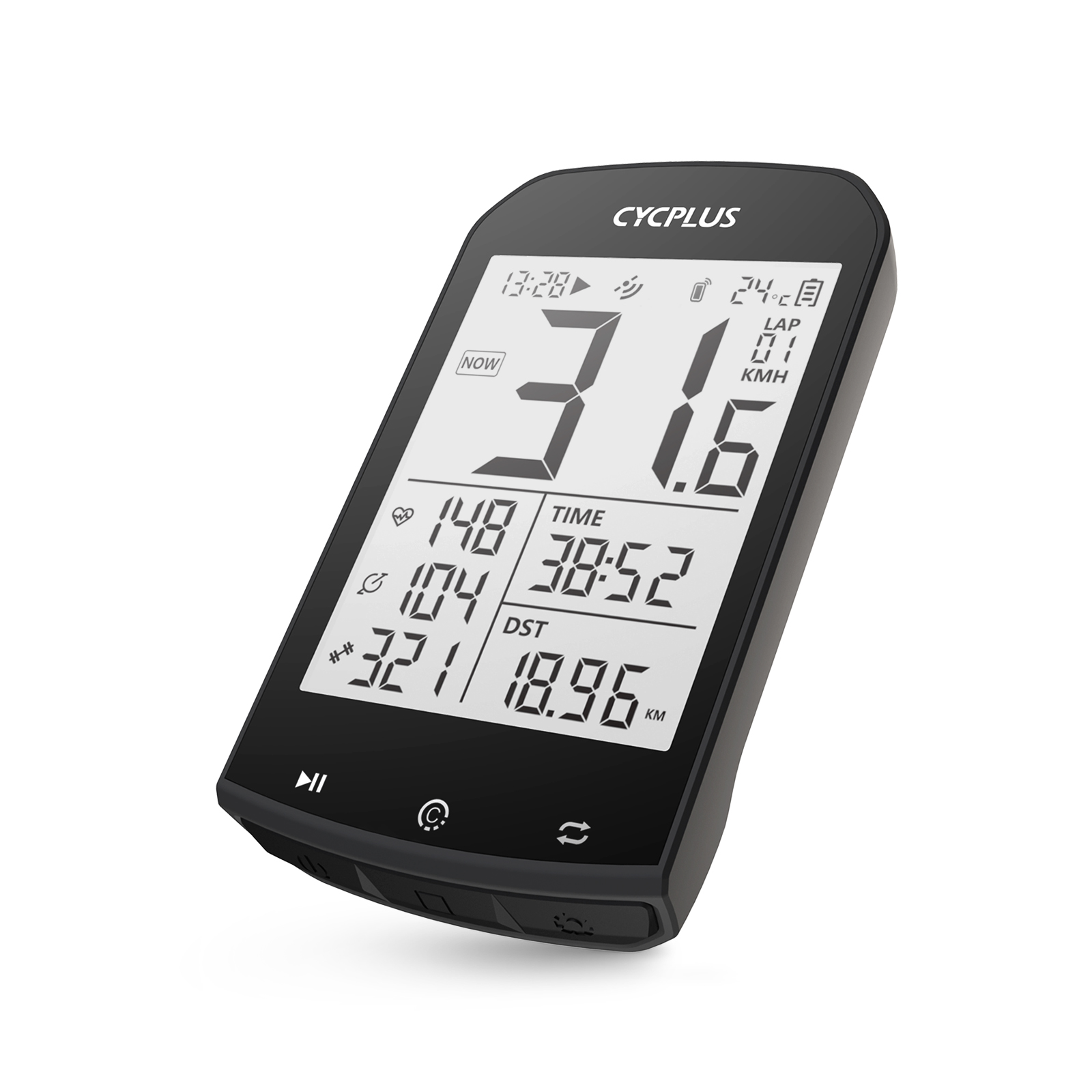
Laboratory-grade direct drive trainers, GPS micro-computers, and pneumatic inflation accessories optimized for Seattle's commercial and enthusiast cycling demands.
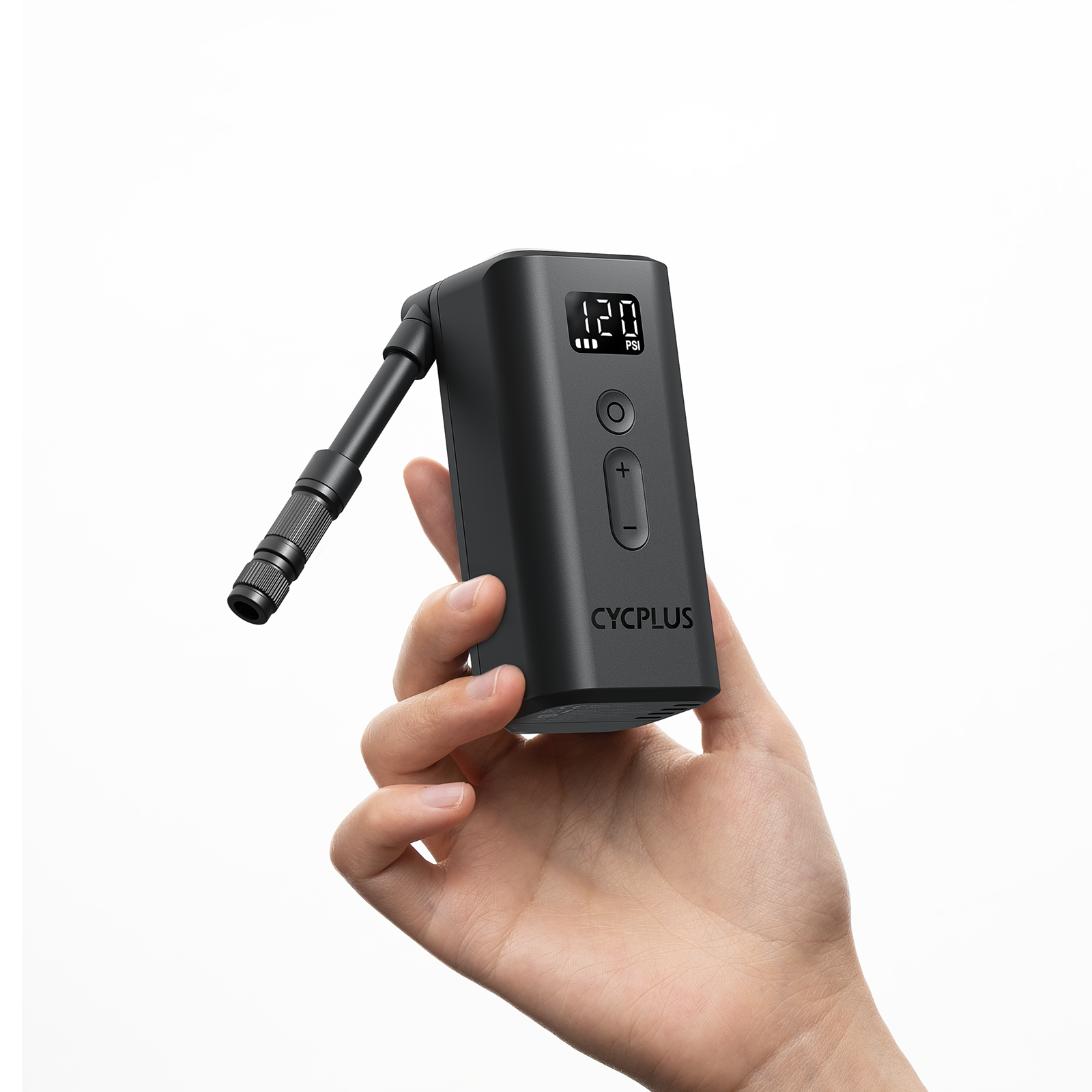
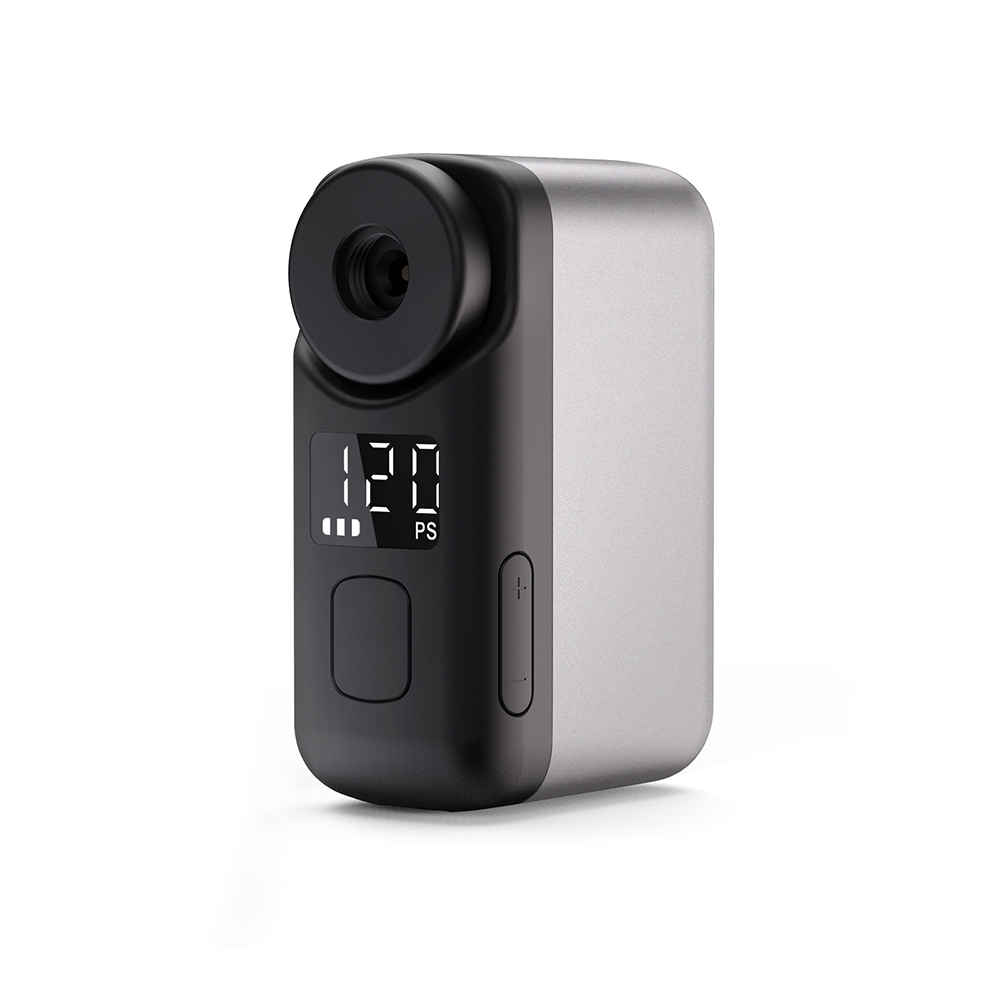
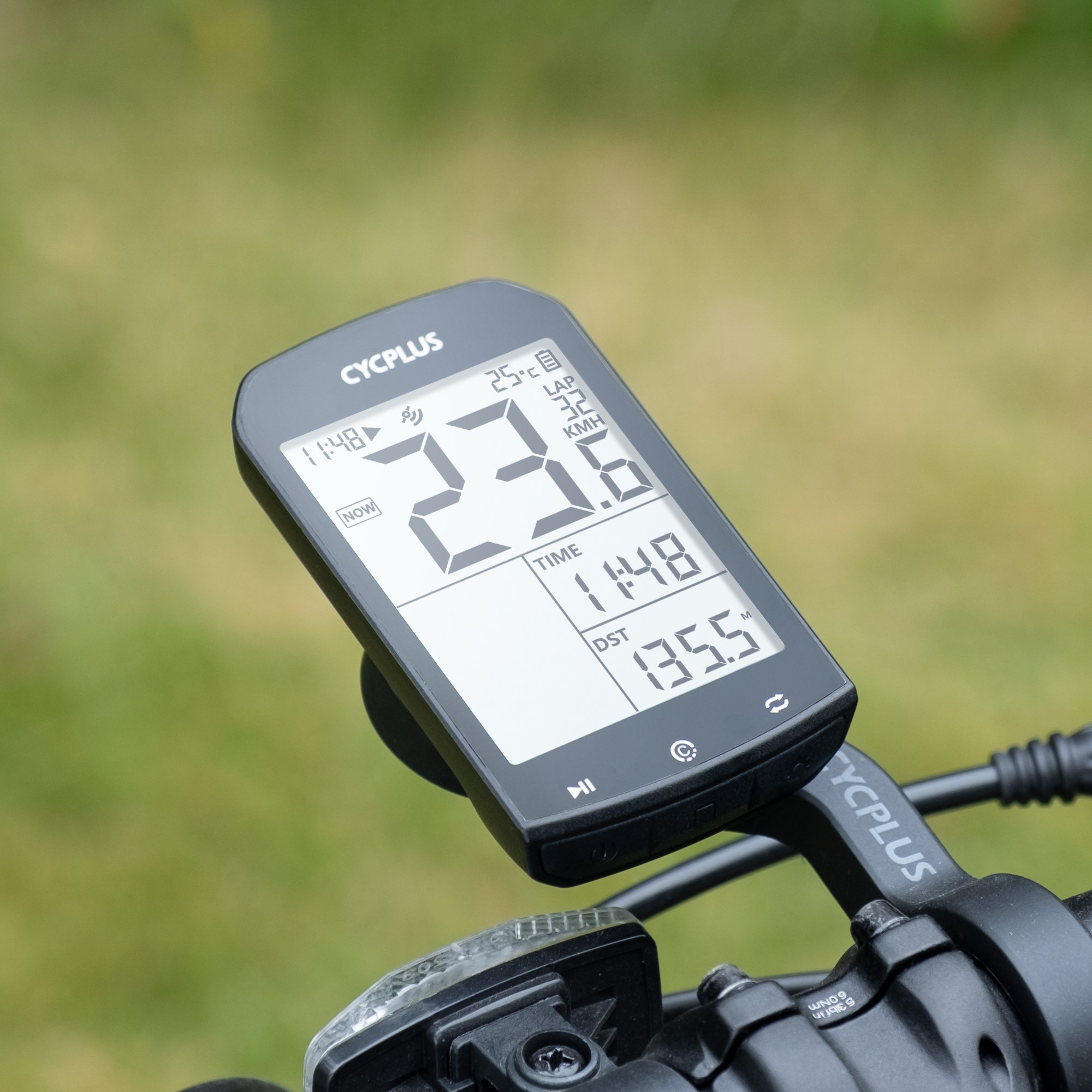
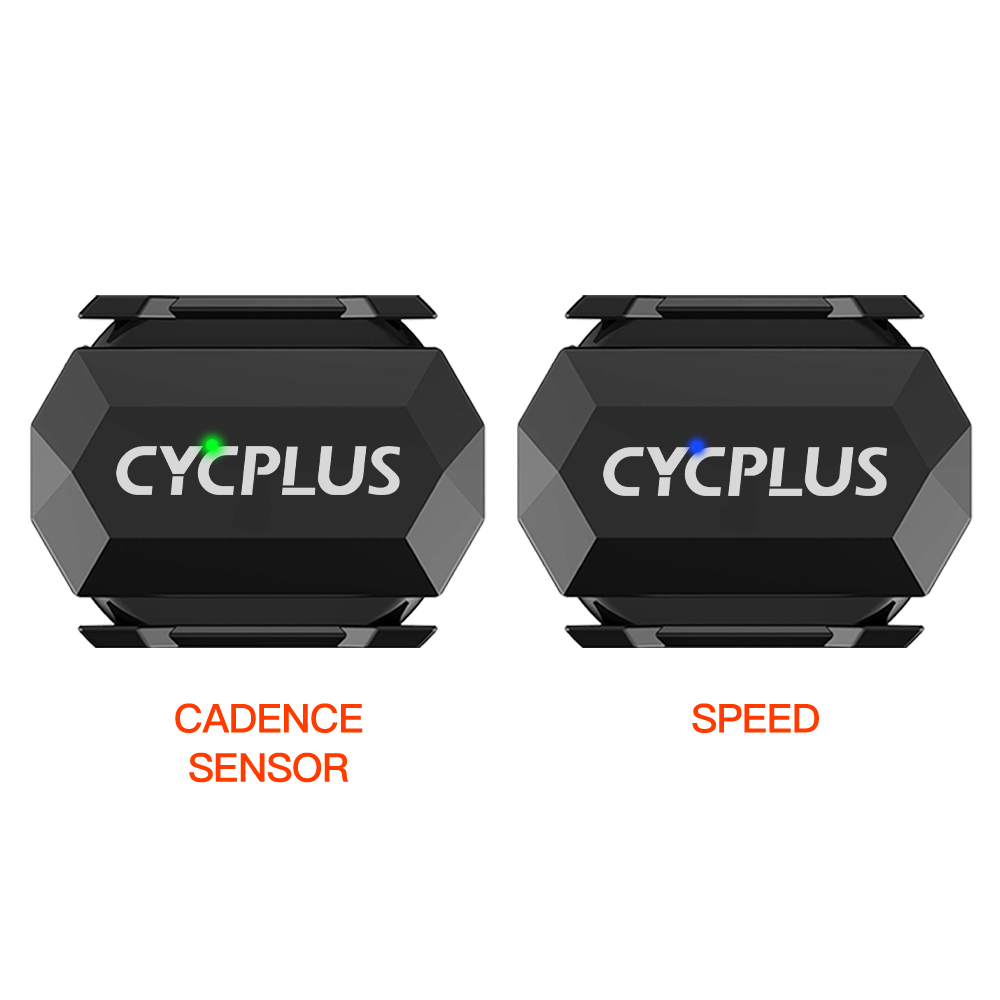
Technical White Paper: The Seattle Smart Cycling Ecosystem
As a global Tier-1 hardware designer and manufacturer, JUNE Intelligent Technology Co., Ltd. bridges the gap between precision electronics manufacturing and regional sports science deployment. In the urban and suburban corridors of the Pacific Northwest—stretching from Seattle's South Lake Union and Ballard to the Eastside hubs of Bellevue and Redmond—cycling operates not merely as recreation, but as a dominant mode of year-round transit and high-performance cross-training.
However, the geographical topography and distinct microclimate of Seattle introduce specific operational bottlenecks that conventional indoor trainers fail to address. The combination of persistent maritime precipitation (averaging over 150 rainy days annually), steep glacial topography (gradients frequently exceeding 12% to 18% along Queen Anne, Capitol Hill, and Magnolia), and a dense demographic of tech-sector knowledge workers creates elevated expectations for hardware responsiveness, real-time power accuracy, low acoustic profiles, and uncompromising connectivity.
Hyper-Localized Application Scenarios in Puget Sound
Procuring a dependable smart cycling trainer supplier in the Seattle metro area involves understanding several core institutional and retail applications:
Corporate Wellness & Tech Campuses
Global technology enterprises in South Lake Union, Fremont, and Redmond deploy connected bike trainer studios within corporate fitness suites, requiring units with whisper-quiet electromagnetic resistance below 52 dB and seamless ANT+ FE-C / Bluetooth FTMS telemetry for enterprise app integration.
Multi-Family Residential Developments
Modern residential high-rises in Downtown Seattle, Belltown, and the University District incorporate smart cycling bays into shared fitness lofts. Equipment must withstand continuous high-torque use, support wide thru-axle standards (142x12mm, 148x12mm Boost), and operate without disrupting neighboring residences.
Boutique Studios & Independent Bike Dealers (IBDs)
Local IBDs throughout King County and Snohomish County require high-margin, private-label inventory supported by direct OEM collaboration. Units must offer factory calibration, intuitive servicing modularity, and comprehensive digital ecosystem compatibility (Zwift, TrainerRoad, Rouvy, Wahoo SYSTM).
Industry & Macro Trends Shaping the PNW Cycling Market
The Seattle indoor training sector is progressing along three foundational technology pathways:
1. Direct-Drive Hegemony and Roller Obsolescence: Traditional wheel-on trainers have been almost completely superseded by direct-drive architectures across King County retail outlets. Direct-drive configurations eliminate tire slip caused by Pacific Northwest road humidity, remove wear on wet-weather road compounds, and enable accurate power curve translation during high-wattage virtual climbing.
2. Microclimate Simulation Algorithms: Indoor training programs now demand accurate gradient physics simulating regional mountain passes—such as Snoqualmie Pass, Cougar Mountain, and Tiger Mountain. Modern commercial trainers must deliver responsive electromagnetic braking capable of sustaining simulated grades up to 20% to 25% with maximum power thresholds reaching 2,200W.
3. Low-Latency Protocol Redundancy: As virtual esports leagues expand within Washington state cycling associations, signal dropout becomes unacceptable. Modern smart trainer designs integrate dual-channel Bluetooth 5.0 and multi-channel ANT+ FE-C to prevent interference from common urban high-density Wi-Fi environments.
SGS-Verified Manufacturing Facilities
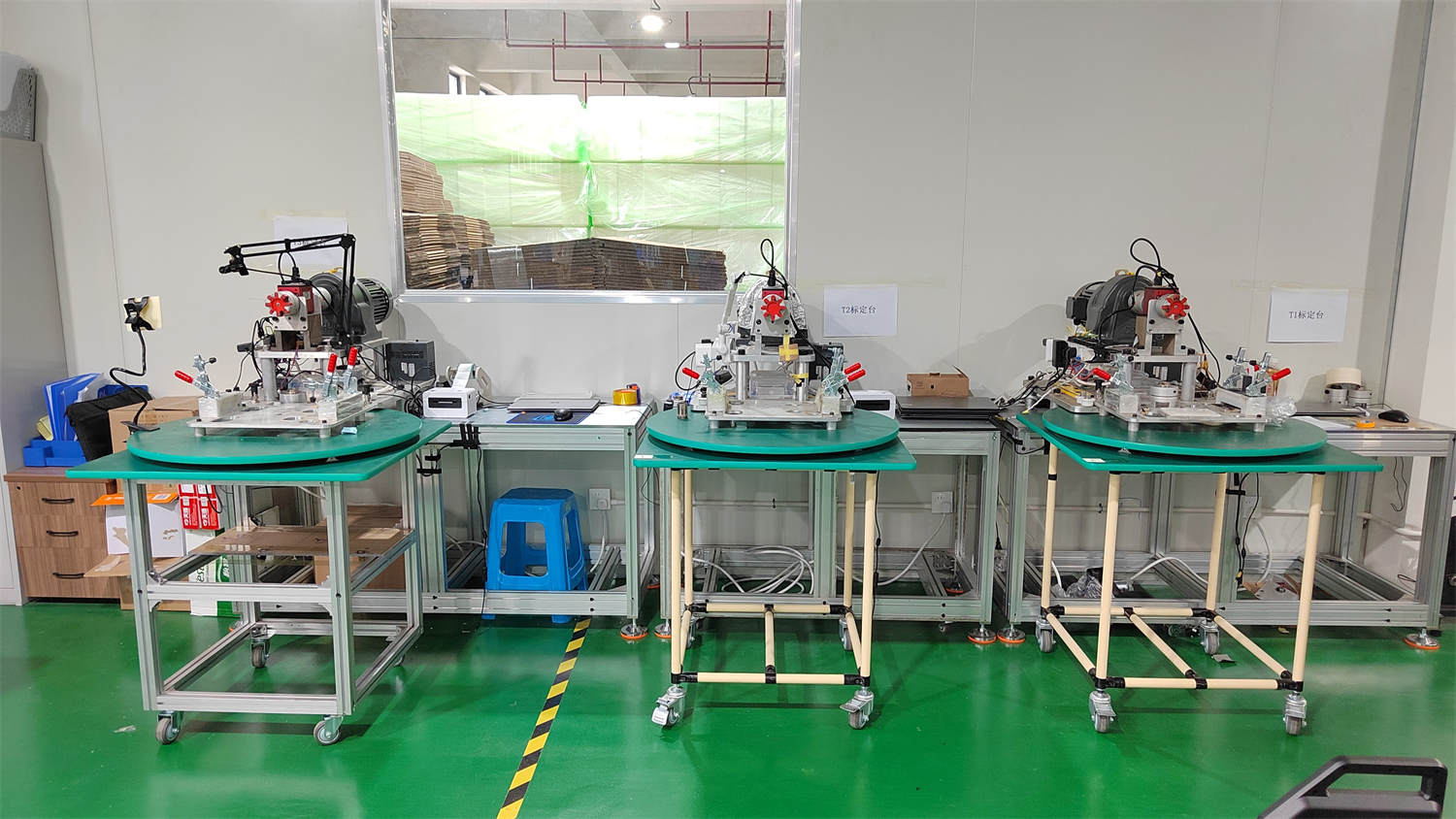
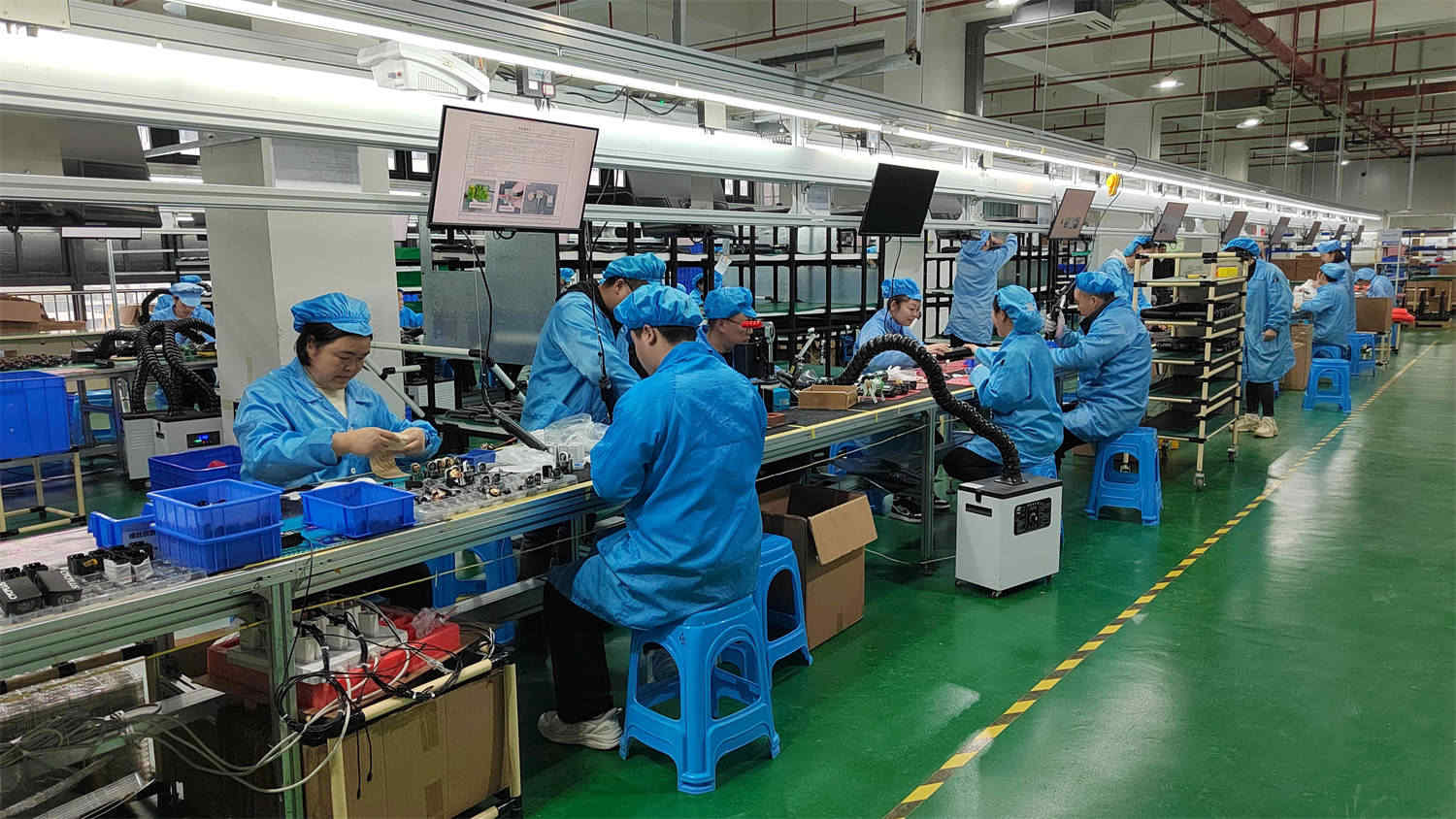
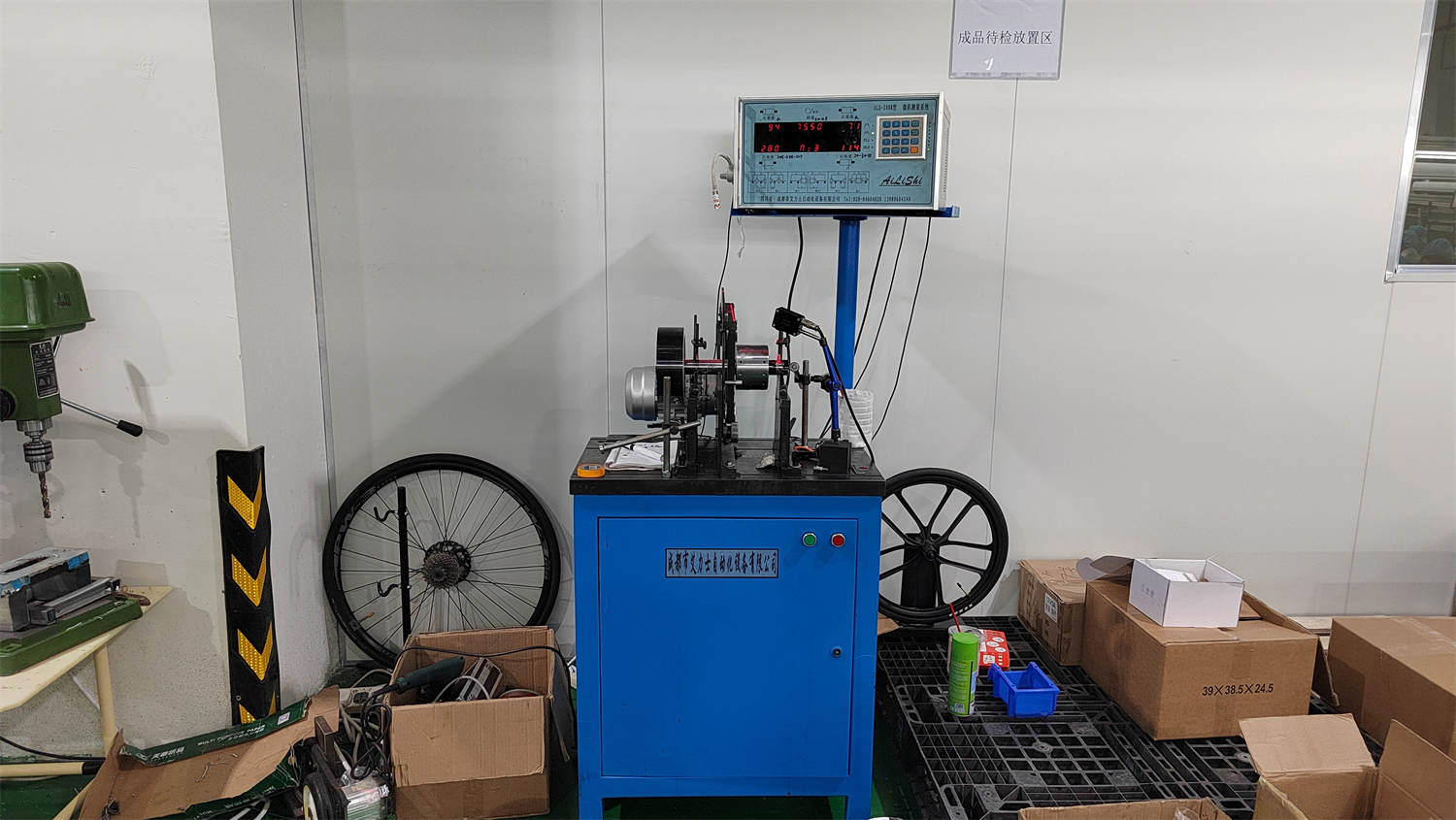
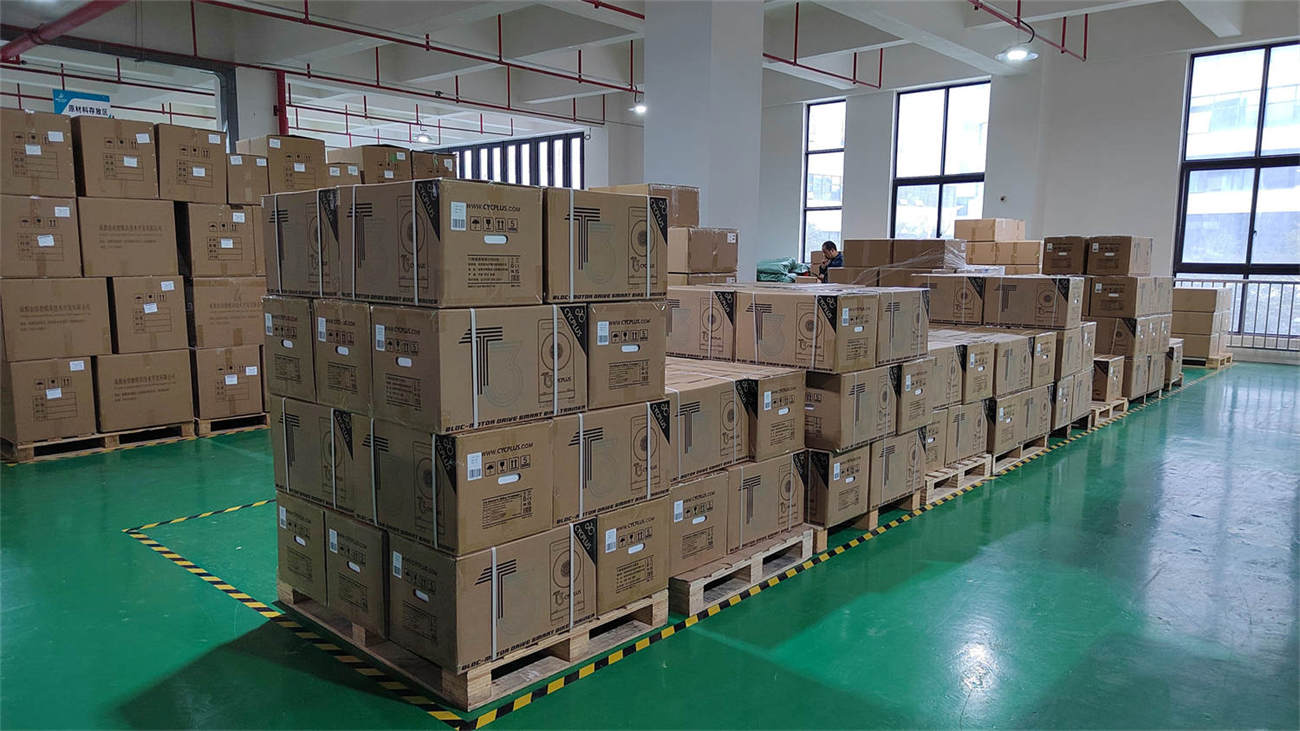
Direct view of the 3,780 m² production infrastructure behind our indoor smart cycling trainers and precision cycling accessories.
Why Partner With JUNE Intelligent Technology?
Eliminate intermediary trading costs by contracting directly with our ISO/SGS accredited manufacturing plant.
SGS On-Site Audited Integrity
Our entire 3,780 m² facility, along with staffing metrics, hydraulic press assembly lines, and QC protocols, has been fully audited on site by SGS Group, verifying a recorded turnover surpassing US$ 22M+.
Dedicated Dynamometer QC
Every batch of smart trainers and indoor bikes undergoes calibration testing on specialized computerized dyno benches, confirming power readings operate consistently within verified precision margins.
Multilingual B2B Account Desk
Our 35-person international trade department maintains native or business fluency across English, Italian, German, and Japanese, assuring technical specifications, compliance paperwork, and logistics needs are handled smoothly.
Flexible Low-Volume Prototyping
To reduce risk for commercial fitness brands, corporate buyers, and independent distributors, we offer evaluation sample orders with MOQs starting at just 2 units for featured hardware series.
Seattle B2B Procurement FAQ
Direct technical answers addressing freight, moisture mitigation, axle standards, and firmware customization.
