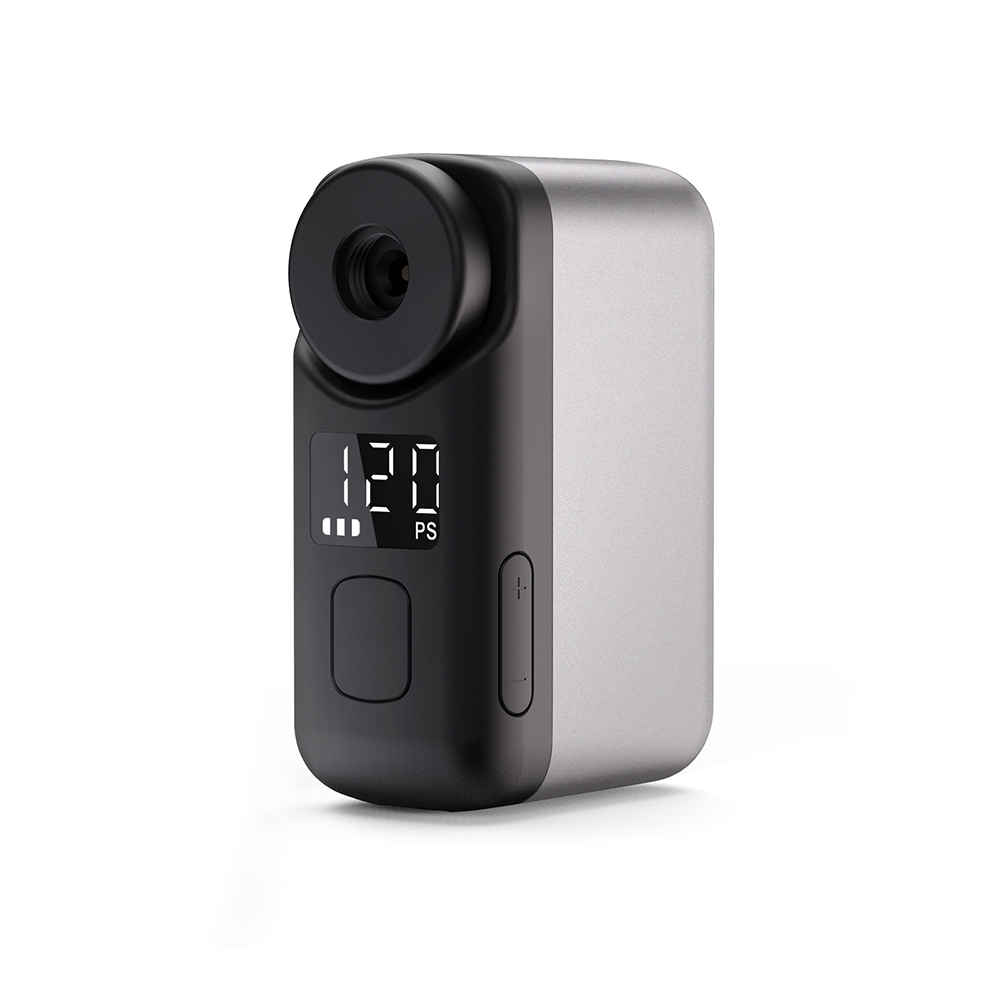
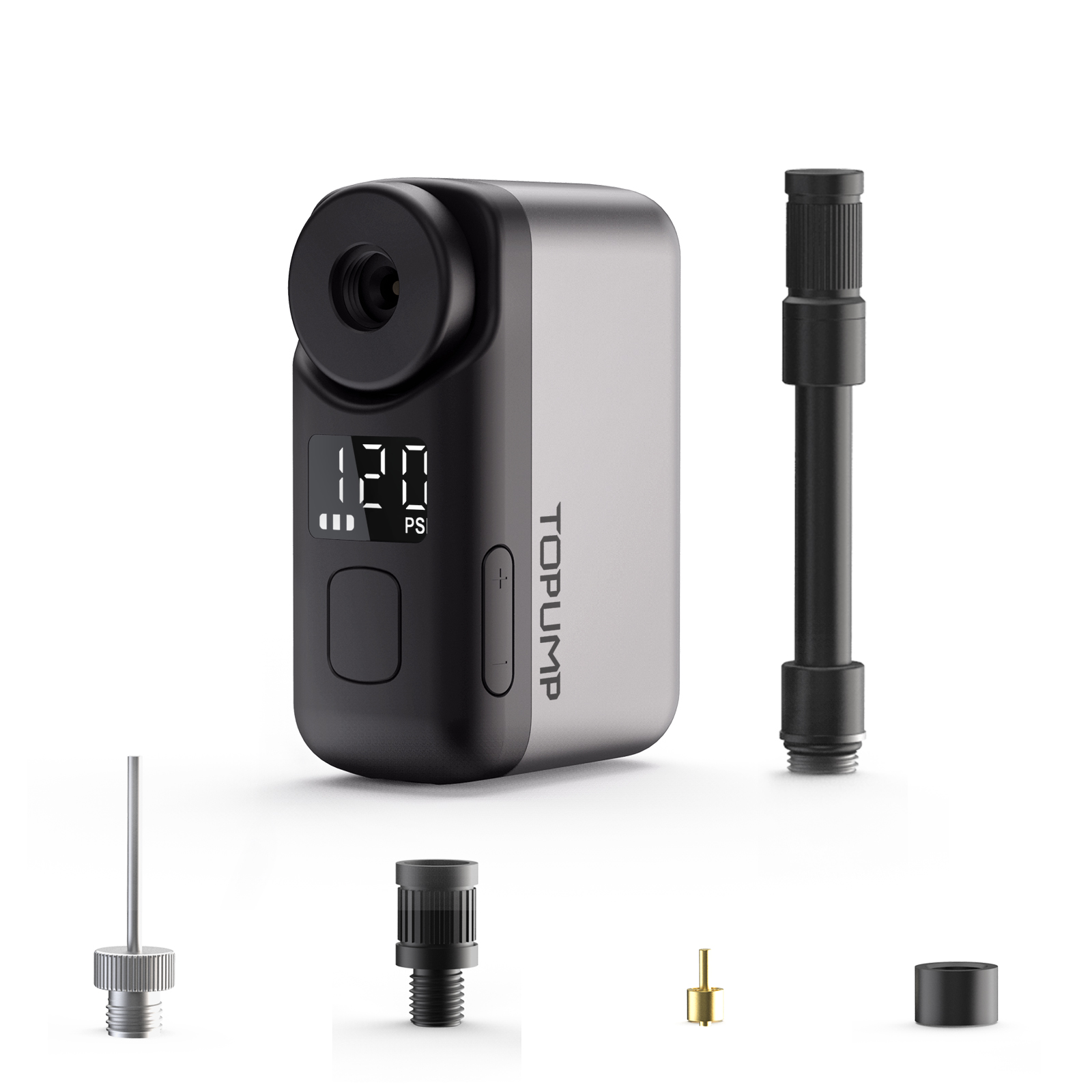
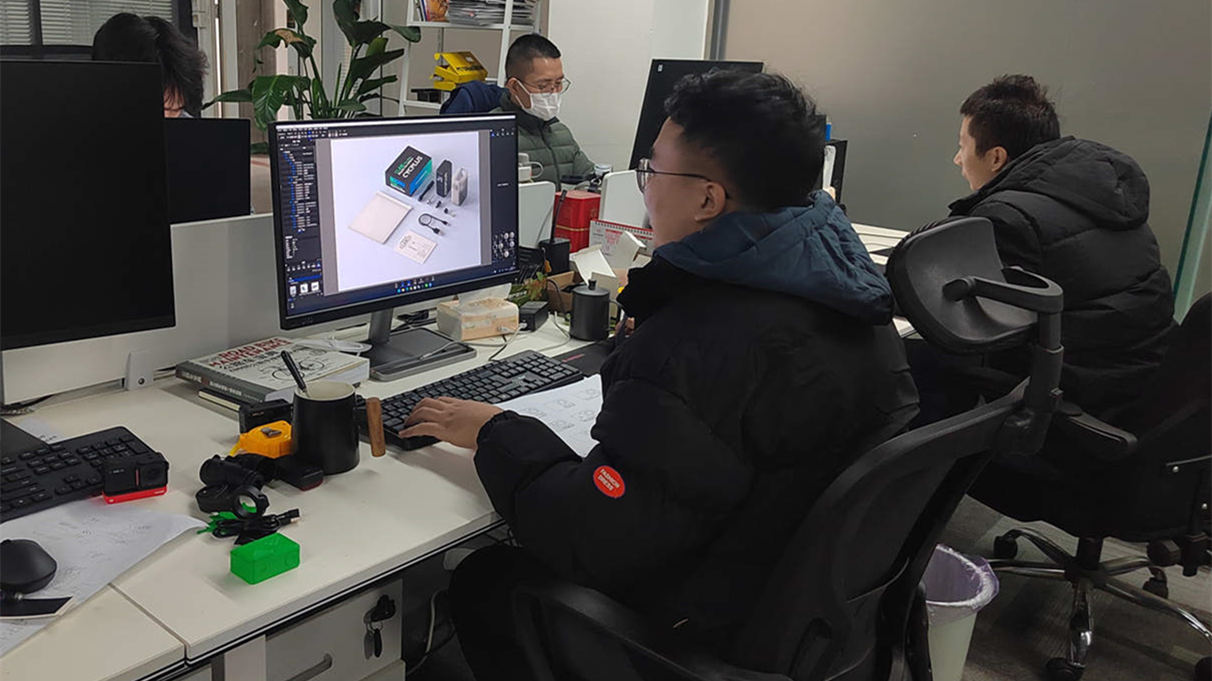
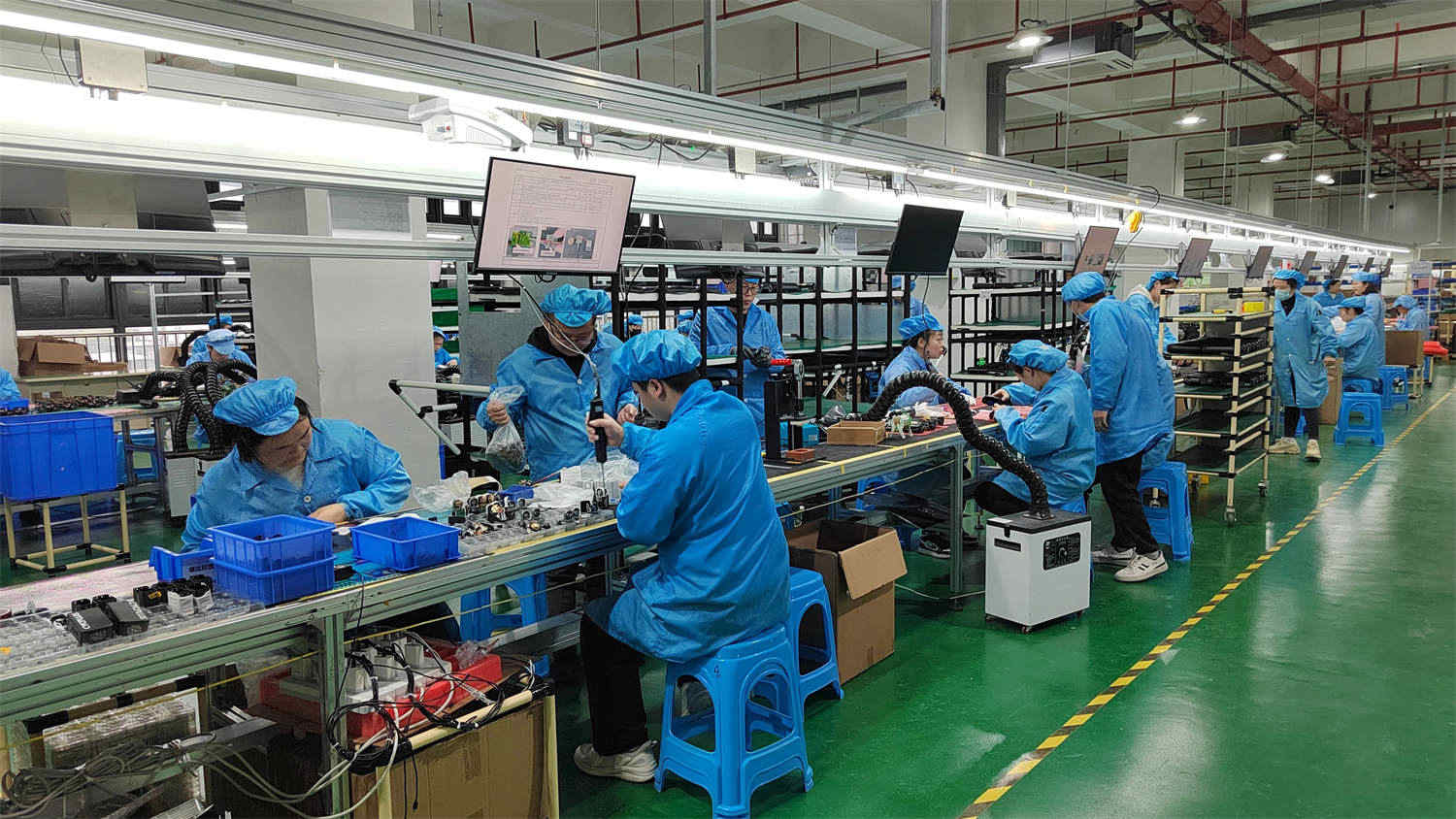
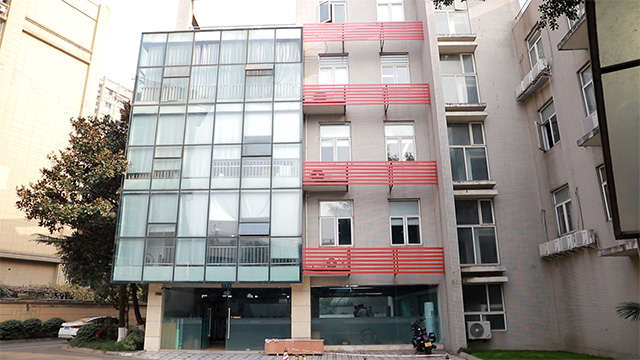
Engineered in our SGS-audited 3,780 m² facility with automated pneumatic calibrations, integrated BMS safety protections, and real-time digital pressure sensors capable of reaching up to 120–150 PSI.
The New York City metropolitan area represents the densest micro-mobility ecosystem in North America. With over 65,000 commercial delivery couriers (deliveristas) navigating five boroughs, coupled with the rapid expansion of protected bike lane infrastructure under the NYC Streets Plan, reliable tire pressure is no longer merely a cyclist's personal preference—it is a critical operational safety parameter and an economic necessity.
Urban micro-mobility in Manhattan, Brooklyn, and Queens exposes tires to severe road debris, metallic expansion joints on East River bridges, and continuous vibration. In this environment, under-inflated tires dramatically accelerate pinch flats, increase electric battery consumption on cargo bikes by up to 23%, and cause rim deformation on pothole impacts along arterial corridors like 2nd Avenue and Flatbush Avenue.
Fleet Efficiency Metric: Commercial cargo e-bike fleets operating in NYC logistics hubs lose an average of 42 maintenance minutes per week due to manual hand-pump inflation and roadside pressure checks. Deploying high-speed smart electric inflators with automated target shut-off reduces downtime by over 80% per servicing interval.
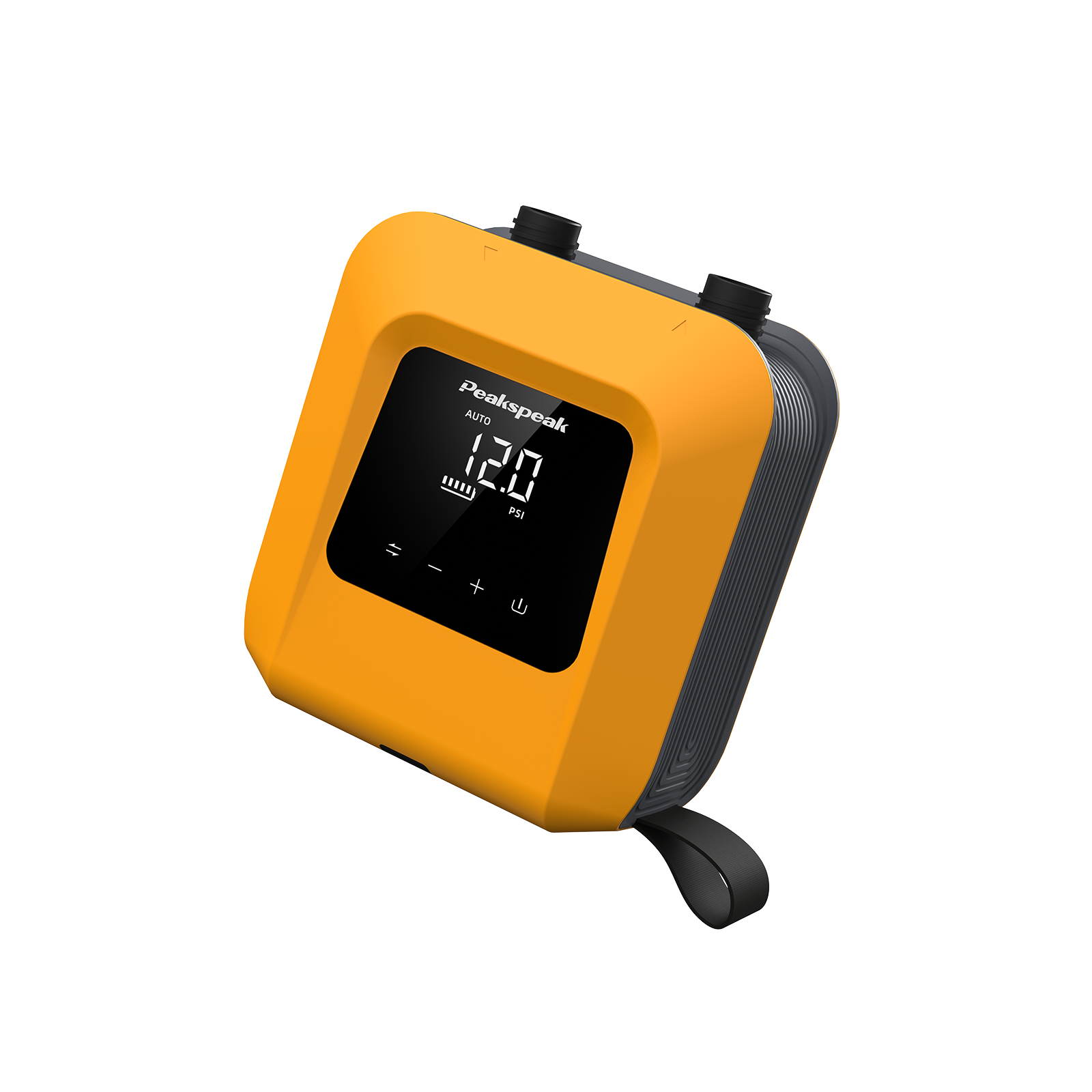
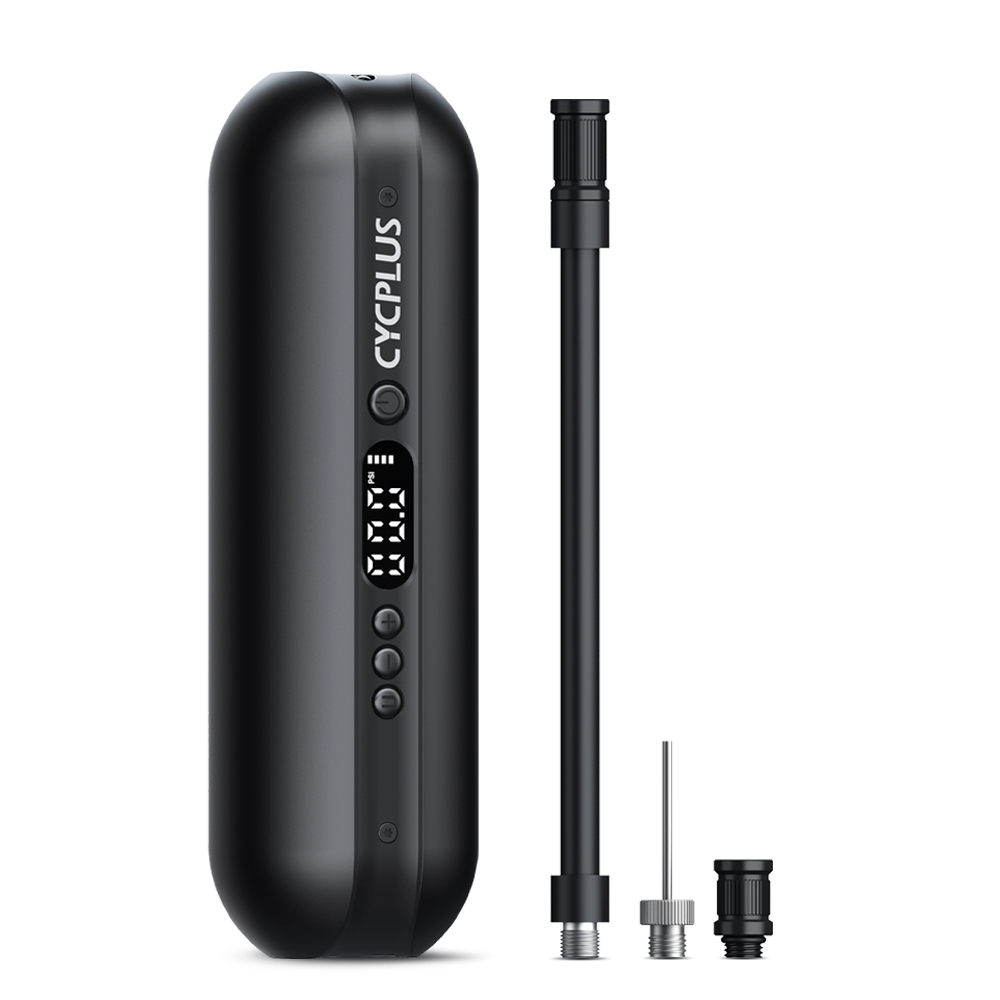
Our smart electric bike pumps directly address these rigorous operational requirements. Featuring micro-machined aluminum alloy cylinder blocks, CNC metal gears, and digital barometric pressure sensors accurate to ±1 PSI, our products empower both delivery fleet mechanics and independent commuter retailers across New York to ensure rapid, error-proof tire maintenance on the curb or in the repair bay.
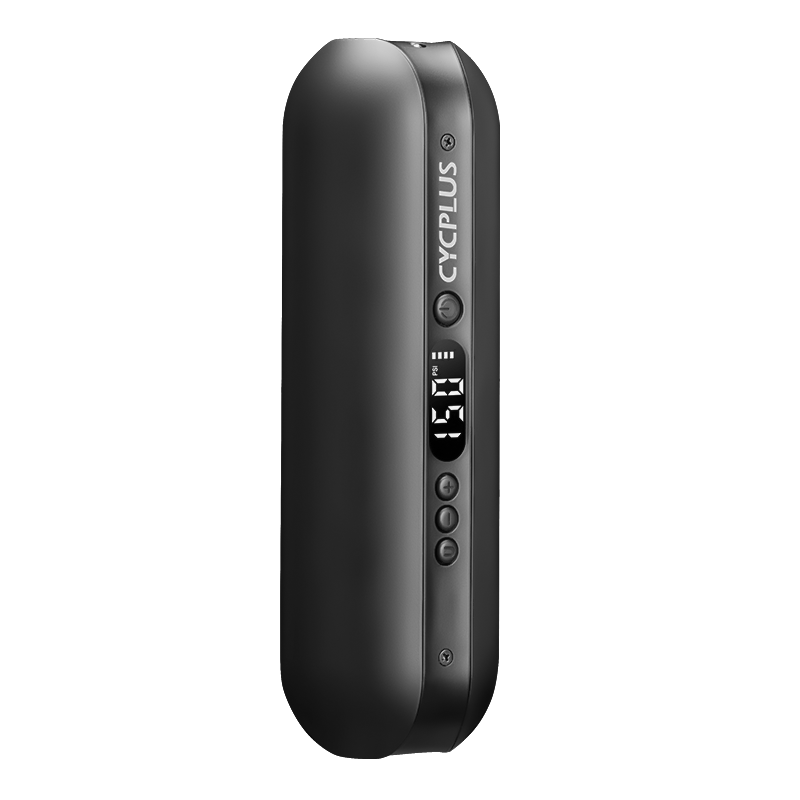
Heavy-duty e-cargo bikes (Arrow 10, RadWagon, Tern GSD) carrying up to 400 lbs require constant tire inflation at 55–65 PSI to maintain motor range and avoid sidewall blowouts. Our compact cordless pumps deliver automated roadside topping in under 45 seconds.
New York winters present extreme pressure differentials: indoor garage charging at 68°F transitioning to sub-freezing street temperatures (20°F) results in a natural 3–5 PSI deflation rate via Gay-Lussac’s Law. High-discharge thermal-resistant battery cells guarantee continuous winter performance.
From the Hudson Valley Greenway and Empire State Trail to Central Park endurance laps, riders running tubeless configurations require exact pressure tailoring down to 24 PSI for gravel and up to 100 PSI for road clinchers, easily preset on digital LED interfaces.
Understanding the impact of Local Law 39, lithium battery certification protocols (UL 2849, UL 2271, UN 38.3), and commercial retail procurement standards across the State of New York.
| Regulatory Standard / Trend | New York Jurisdiction Context | Technical Impact on Smart Pumps | JUNE Intelligent Manufacturing Solution |
|---|---|---|---|
| NYC Local Law 39 & 40 Battery Fire Prevention |
Prohibits the sale and assembly of non-certified lithium-ion powered micro-mobility devices and electric accessories within NYC. | Demands multi-stage overcharge, over-discharge, short-circuit, and thermal runaway hardware protection cutoffs. | Integrated Hardware BMS, tier-1 lithium cylindrical cells certified under UN 38.3 with flame-retardant V-0 grade casing materials. |
| Tubeless Tire System Adoption NYC Cycling Trend |
Over 60% of modern urban commuters and gravel cyclists in the Tri-State area have transitioned to tubeless sealant setups. | Requires continuous airflow delivery without back-pressure leakage to reseat beads and maintain sealant integrity. | Low-loss screw-on Presta chucks with integrated check valves, capable of steady sustained airflow without valve-stem clogging. |
| UL / CE / FCC Compliance Import & Port Clearance |
Strict scrutiny by US Customs at the Port of New York and New Jersey (PNYNJ) regarding uncertified electronic imports. | Full laboratory testing documentation required for electromagnetic interference, battery transport, and low-voltage directives. | Complete CE, FCC, RoHS, and REACH dossiers readily accessible with certified lab test reports provided for seamless customs clearance. |
| Shift from CO₂ Cartridges to Cordless Electric Sustainability Shift |
NYC Parks and greenway initiatives discourage single-use steel CO₂ canisters, which create roadside metallic waste and freezing burns. | Smart pumps offer reusable, rechargeable inflation over 500+ charge cycles, reducing total lifecycle operational cost and carbon footprint. | USB-C rapid charging architecture supporting 5V/2A and 9V QC protocols, replenishing power in under 60 minutes from power banks. |
JUNE Intelligent Technology Co., Ltd. is not a middleman trading broker. Established over 11 years ago in Chengdu, Sichuan, we operate a 3,780 m² modern manufacturing hub staffed by 195 skilled operators, structural engineers, and software architects dedicated solely to cycling electronics.
Our production floor is physically verified on-site by SGS Group, featuring semi-automated assembly lines, computer-controlled hydraulic and pneumatic presses, high-frequency ultrasonic welding stations for airtight housing joints, and computerized DC power supply test benches.
Unlike standard consumer electronics assemblers, every batch of electric bike pumps undergoes rigorous three-stage functional inspection: raw material incoming component verification (IQC), in-process pressure sensor calibration (IPQC), and 100% final quality testing (FQC) where units are driven to 120+ PSI under simulated load.
Clear, legally grounded answers addressing minimum order volumes, shipping timelines to Tri-State ports, valve compatibility, and custom OEM private labeling.
Connect directly with our 35-person multilingual international trade desk. Receive comprehensive B2B wholesale pricing, custom OEM specification sheets, and SGS audit reports tailored to your New York business expansion.