Featured Tire Pressure & Dynamic Cycling Instrumentation
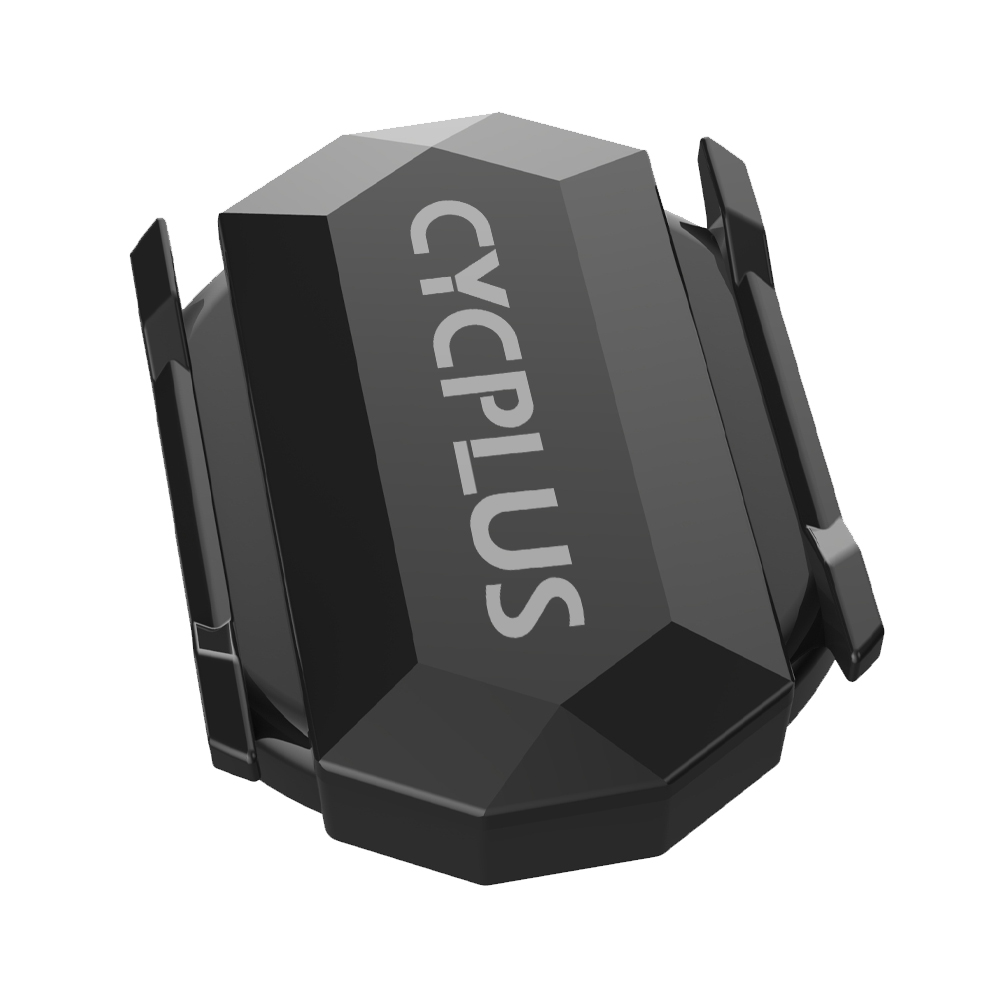
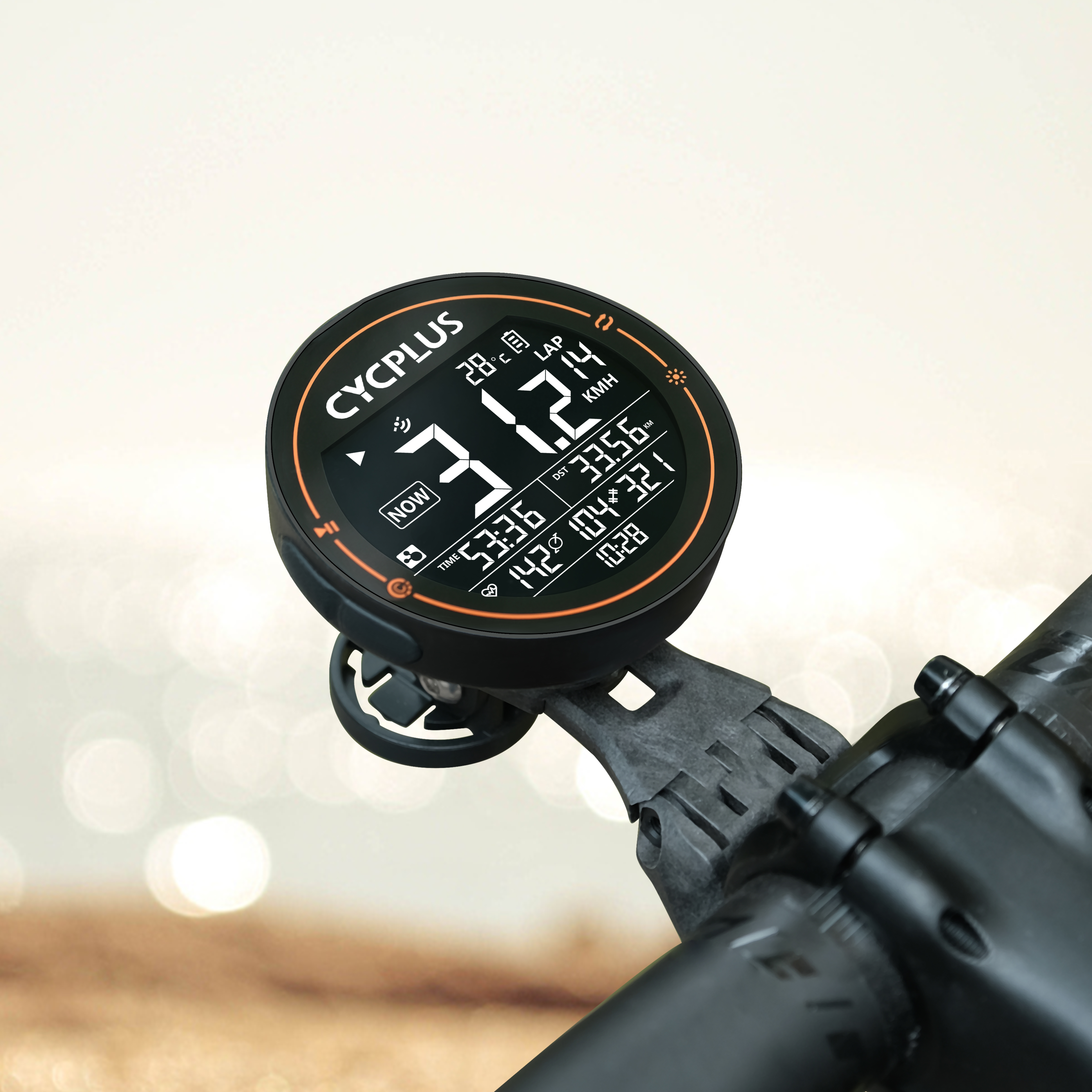
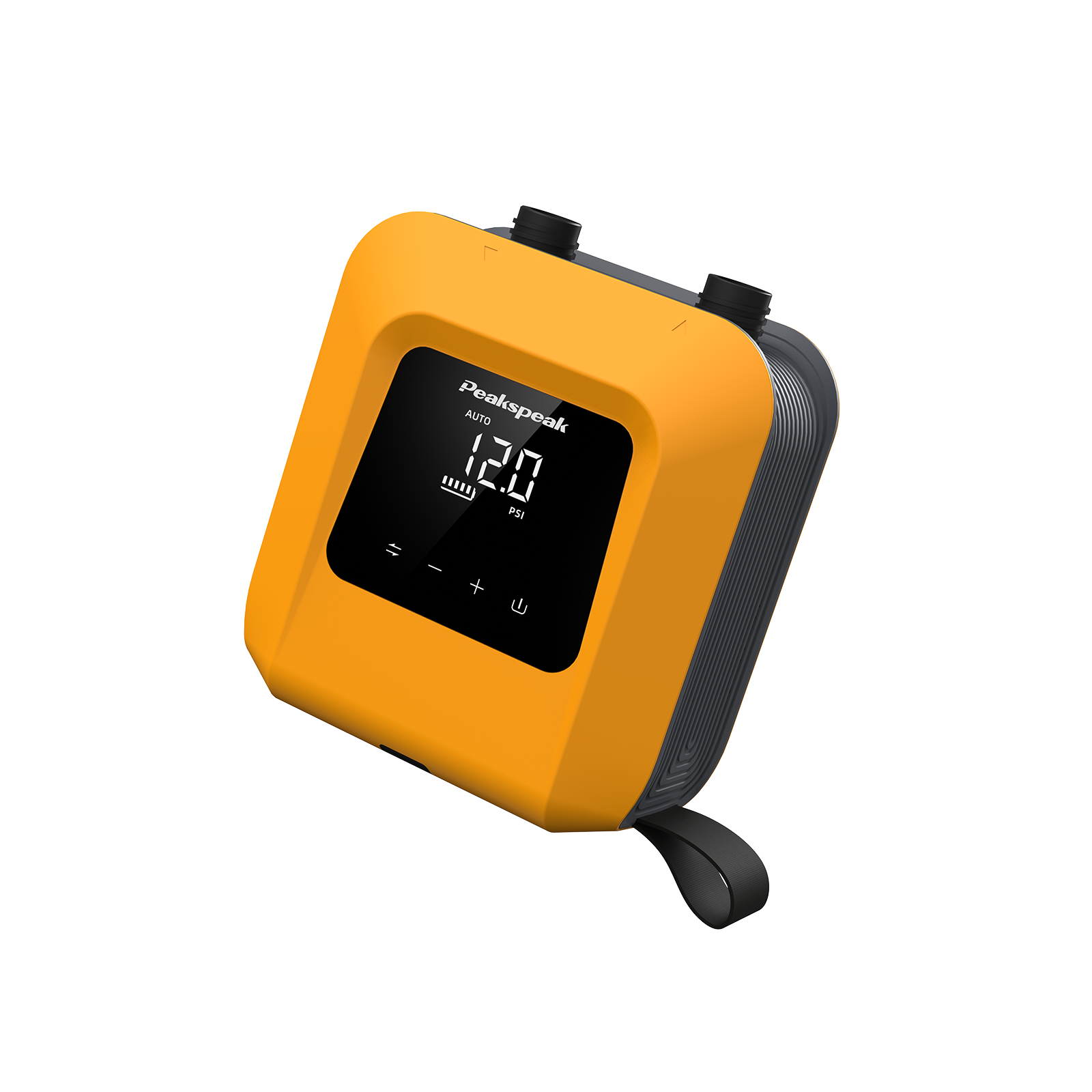
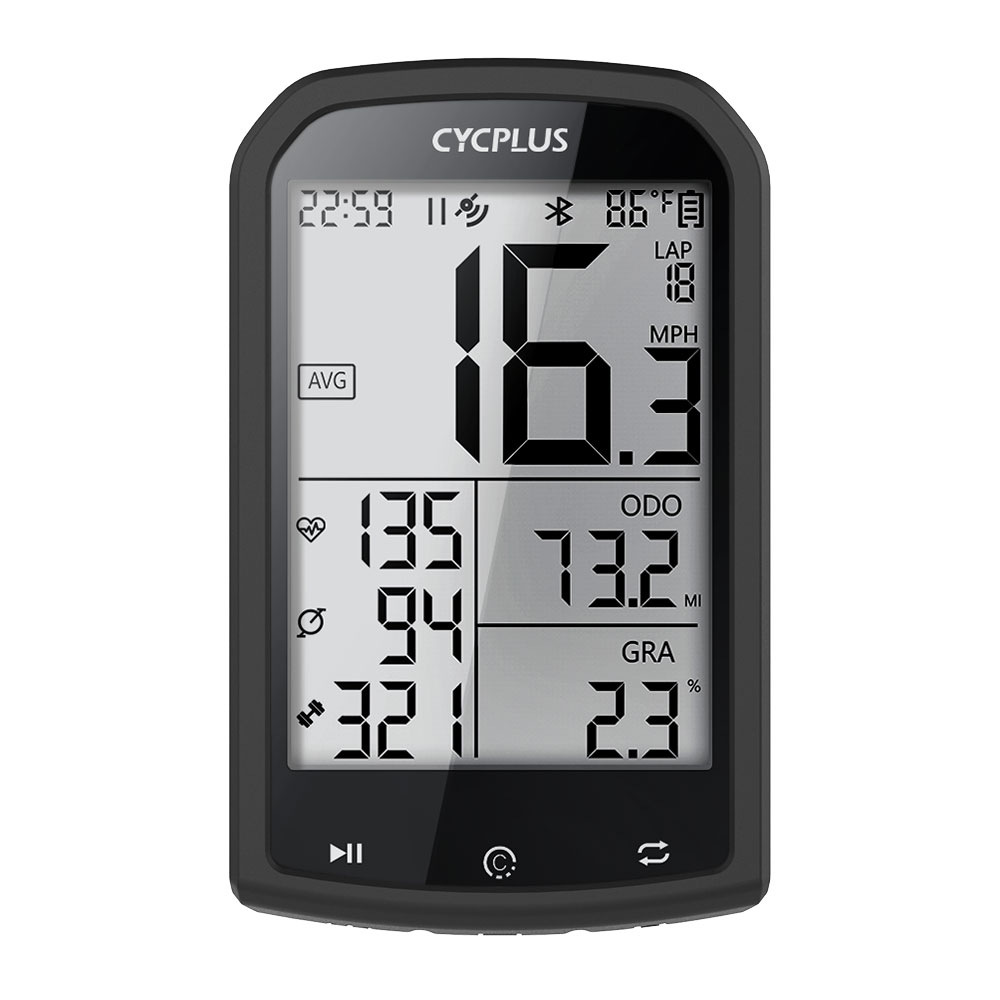
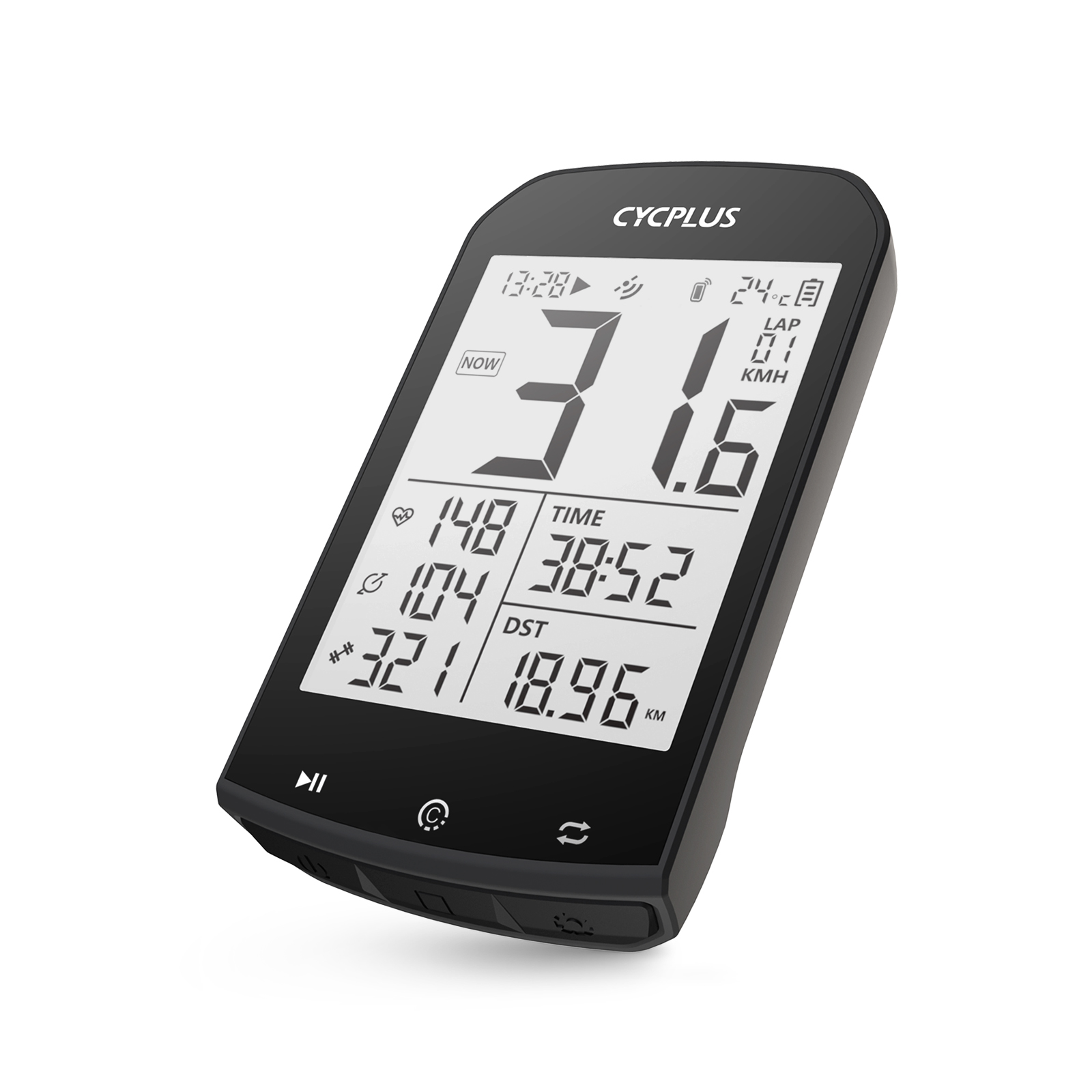
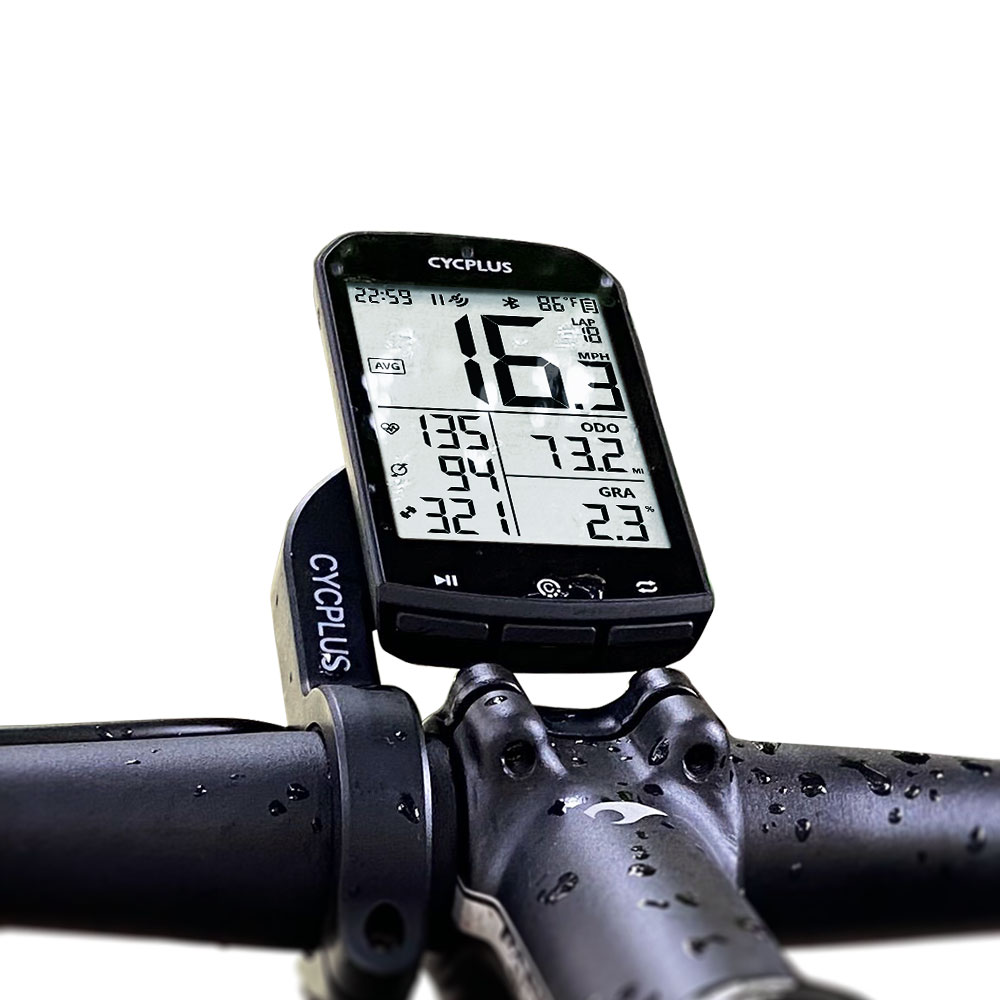
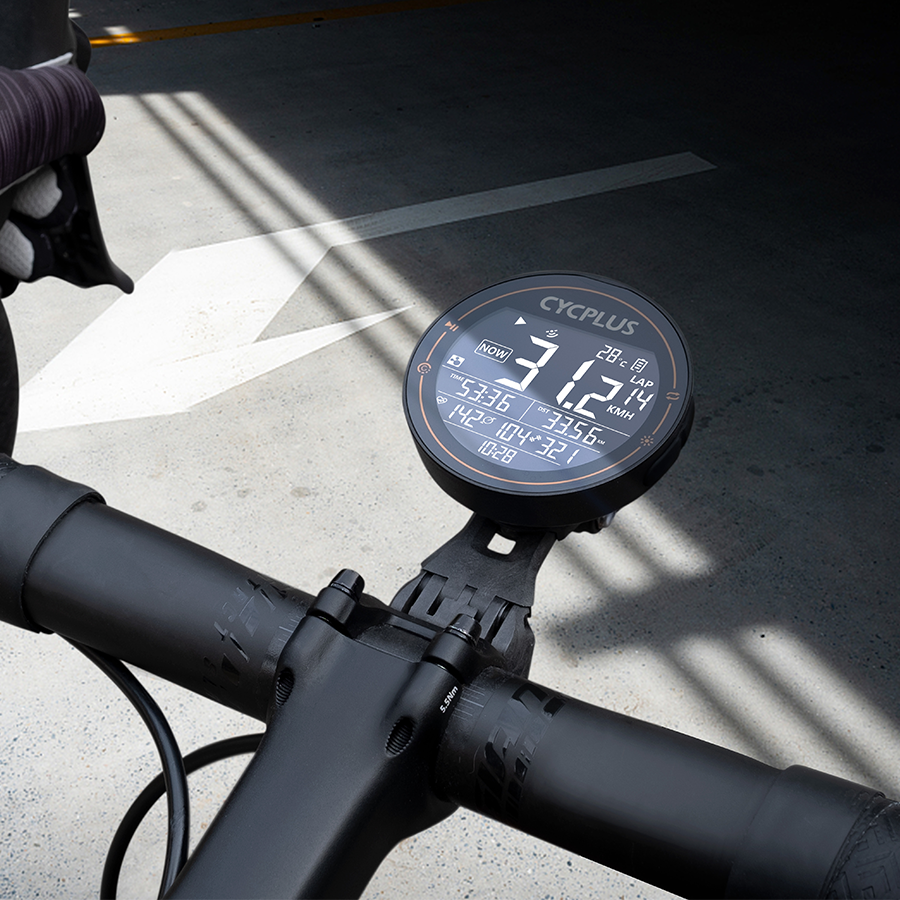
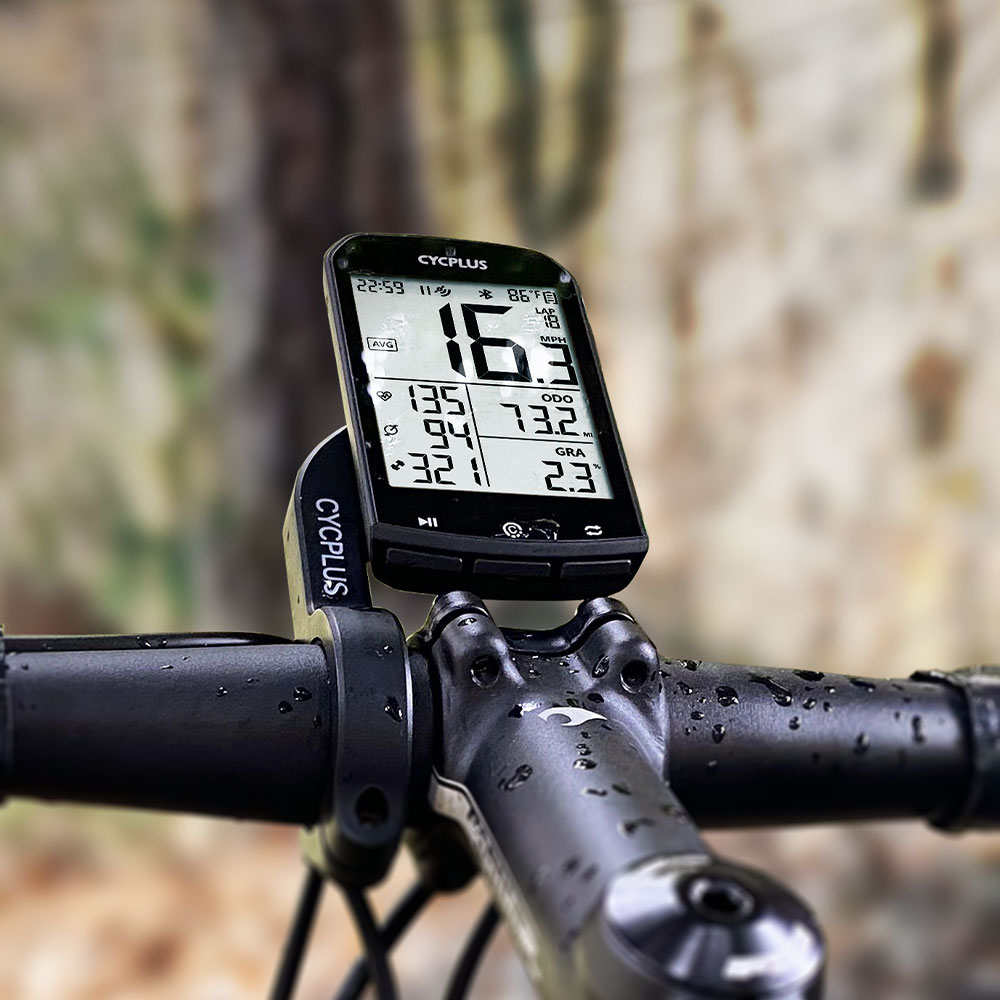
Explore our factory-direct sensor configurations, digital wireless gauges, high-pressure inflators, and GPS performance meters engineered with precision pressure transducers and robust Bluetooth / ANT+ protocols.
Navigating German DIN EN 12645 & Calibration Traceability in Berlin
For fleet engineers, automotive workshop directors, and procurement executives seeking a vetted tire pressure gauge supplier & suppliers in Berlin, the bar for compliance is higher than almost anywhere else in the European Union. In Germany, tire pressure verification is governed by exacting metrological mandates, centered around DIN EN 12645 (Tyre pressure measuring instruments - Devices for inspection of pressure and/or inflation/deflation of tyres for motor vehicles). Whether deploying hand-held digital manometers across transport hubs in Berlin-Neukölln or equipping mobile tire service vans in Spandau, precision within ±0.08 bar is an indispensable threshold for both road safety and fuel economy.
As micro-mobility and electrification accelerate across the Berlin-Brandenburg metropolitan region, proper tire pressure monitoring has expanded beyond internal combustion passenger vehicles into e-mobility fleets, heavy-duty logistics cargo e-bikes (Lastenräder), and industrial electric shuttles. Under-inflation by just 0.5 bar (7.25 PSI) increases rolling resistance by upwards of 5%, accelerating lithium battery depletion and inducing asymmetric tread wear that significantly escalates operating expenses for Berlin delivery operations.
Our OEM manufacturing facility fulfills this strict requirement by integrating high-stability piezoresistive silicon pressure sensors calibrated across the operational range of 0 to 120 PSI (0 to 8.27 bar). With automated temperature compensation circuits built into every chip, our instruments provide consistent readings whether operating during freezing sub-zero winter mornings in Berlin-Mitte or during peak summer tarmac operations.
German Metrological Checklist
Key regulatory and technical checkpoints demanded by commercial purchasers and fleet managers across Berlin:
- ✓ DIN EN 12645 Conformity: Verified hysteresis, linearity, and repeatability limits.
- ✓ CE & RoHS II Compliance: Full heavy metal restriction and EMC electromagnetic shielding.
- ✓ REACH SVHC Validation: Chemical safety compliance covering all rubber chucks, seals, and polymers.
- ✓ DAkkS Traceability: Multi-point calibration curves referenced to national standards.
Localized Deployment: Where Precision Gauges Drive Berlin's Transport Grid
From industrial freight hubs in Reinickendorf to emission-free urban last-mile distribution across Friedrichshain and Kreuzberg, reliable pneumatic verification is an operational foundation.
Last-Mile Cargo e-Bike Hubs
Berlin leads Europe in commercial cargo-bike delivery grids (supported by the Berliner Mobilitätsgesetz). Heavy-duty cargo cycles carrying up to 250 kg require strict 4.5 to 6.5 bar tire inflation. Daily digital verification prevents sidewall delamination, preserves spoke tension over cobblestones, and avoids catastrophic puncture downtime during delivery shifts.
Fleet Depots & EV Car-Sharing
Berlin hosts Europe's densest concentration of shared electric vehicles (e.g., Miles, ShareNow, Sixt). Depot maintenance teams at logistics centers near Berlin Brandenburg Airport (BER) demand rugged digital pressure gauges capable of quick cycling checks across hundreds of low-rolling-resistance EV tires, ensuring accurate cold tire readings.
Automotive Workshops (Kfz-Werkstätten)
Over 1,200 independent automotive workshops across Berlin require calibrated checking instruments to fulfill mandatory Hauptuntersuchung (TÜV/DEKRA) vehicle inspection guidelines. Having dual Presta/Schrader pressure sensors with high-lumen backlit LED displays allows mechanics to work rapidly in dimly lit chassis service pits.
Municipal Bus & Light Rail Infrastructure
Ground service teams servicing auxiliary pneumatic gear, depot tire safety bays, and municipal light maintenance vehicles for BVG service contractors rely on industrial-grade pressure inflators equipped with auto-shutoff transducers to eliminate operator-induced over-inflation errors.
High-Performance Cycling Boutiques
With thousands of dedicated road and gravel cyclists riding through the Grunewald forest and across the Brandenburg gravel corridors, Berlin's premium cycling shops require tubeless-specific digital gauges sensitive down to 0.1 PSI for dialed-in low-pressure gravel traction and high-pressure road setups.
Sensory Architecture: Mechanical vs. Digital vs. IoT Pressure Transducers
Compare internal mechanical and electronic configurations when sourcing tire pressure devices for German distribution and commercial workshop fleets.
| Evaluation Parameter | Traditional Bourdon Tube (Analog) | Modern Piezoresistive Digital Gauge | Wireless IoT / Bluetooth Telemetry System |
|---|---|---|---|
| Measurement Accuracy | Class 1.6 to Class 2.5 (±1.6% to ±2.5% full scale) | Class 0.5 to Class 1.0 (±0.5% to ±1.0% FS) | Class 0.25 to Class 0.5 (±0.25% FS high-precision) |
| Vibration & Shock Resistance | Low; vulnerable to gear rack misalignments if dropped | High; solid-state silicon wafer with silicone potting | Extreme; solid-state MEMS encapsulated in IP67 resin |
| Temperature Sensitivity | Susceptible to mechanical thermal expansion errors | Software compensated (-10°C to +50°C auto-nulling) | Dual onboard thermistor and pressure compensation |
| Parallax & Readout Human Error | High parallax risk depending on technician view angle | Zero; crisp backlit numeric readout (Bar / PSI / kPa) | Zero; digital broadcast direct to mobile API or GPS console |
| Calibration Retention | Requires bi-annual spring recalibration | Internal calibration curve stored in non-volatile EEPROM | Cloud-monitored zero-drift algorithm with OTA calibration |
| Ideal Berlin Applications | Legacy general DIY mechanical garages | Professional workshops, e-bike shops, fleet toolkits | Commercial fleet telematics, delivery fleets, logistics IoT |
Micro-Mobility Trends & Fleet Electrification Shaping Berlin
The pneumatic tool supply chain in Berlin is experiencing a fundamental structural shift driven by three overarching macro developments:
1. Strict Decarbonization Mandates: The state of Berlin's climate goals require substantial reductions in urban fleet transport emissions. Fleet operators running electric commercial vans (such as Mercedes-Benz eVito, StreetScooter, and VW ID. Buzz Cargo) are heavily scrutinizing operational battery range. Because rolling resistance from under-inflated tires can reduce range by 10–15 km per charge cycle, automated wireless and high-precision digital tire checking has become an everyday checklist item rather than an afterthought.
2. The Proliferation of Heavy Commercial Cargo E-Bikes: With Berlin expanding car-free zones and specialized cargo-bike delivery micro-hubs (*Mikro-Depots*), heavy-duty tricycles and four-wheeled pedal-assist vehicles carry payloads exceeding 200 kg. Standard bicycle floor pumps lack precision and take excessive technician time. The demand for pocket-sized, rechargeable electric pumps with preset auto-stop digital gauges (capable of delivering 120 PSI in seconds) has surged across Berlin bicycle distributors and retail workshops.
3. Transition from Analog Manometers to Traceable Digital Diagnostics: With German fleet leasing contracts requiring documented proof of preventive maintenance, commercial workshops are retiring analog dials in favor of digital gauges with data logging, integrated screens, and Bluetooth wireless links that directly communicate with fleet management software.
Factory-Direct Engineering Capabilities & OEM Advantages
When partnering with JUNE Intelligent Technology, German importers, brands, and Berlin enterprise buyers bypass middlemen and work directly with an SGS-verified manufacturer equipped with comprehensive testing systems.
01. SGS On-Site Audited Plant
Our 3,780 m² facility is fully inspected on site by SGS Group, validating employee count (195 staff), financial stability ($22M+ annual turnover), production lines, and clean room electronic assembly operations.
02. Full In-House R&D Depth
From custom firmware algorithms for target pressure cutoffs to injection-molded ergonomic housings, our in-house design engineering department develops OEM/ODM solutions tailored to German brand requirements.
03. Automated Multi-Stage QC
Every digital gauge and electric pump undergoes incoming material inspection, hydraulic/pneumatic pressure testing, ultrasonic welding verification, and DC power load tests before automatic packing.
04. Flexible Low MOQ Sampling
To enable thorough technical validation and laboratory benchmarking by German test institutes, our core smart inflator and pressure gauge lines support sample orders starting from just 2 pieces.
05. Multilingual International Desk
Our 35-person international sales and engineering team communicates directly in German, English, Italian, and Japanese, providing accurate technical datasheets, customs documentation, and seamless communication.
06. CE, REACH & RoHS Listed
Every product batch is engineered to comply with European safety standards, including electromagnetic compatibility directives (CE), chemical restriction criteria (REACH), and environmental guidelines.
Frequently Asked Questions: Sourcing Tire Pressure Devices in Berlin
Critical commercial, regulatory, and technical questions asked by German procurement teams, retail distributors, and workshop managers.
Ready to Upgrade Your Pneumatic Sourcing & Sensor Telemetry?
Consult with our international trade and engineering desk. Request technical datasheets, DIN EN 12645 test reports, custom OEM packaging options, and immediate wholesale quotation for Berlin, Germany, and European markets.
